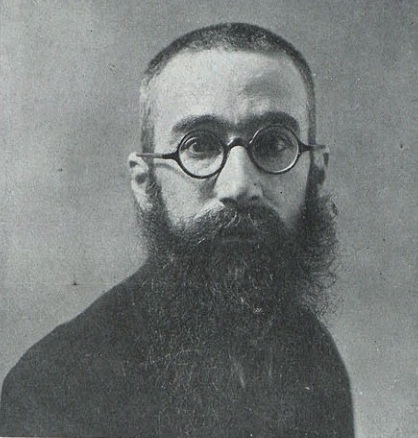
Ramón del Valle-Inclán
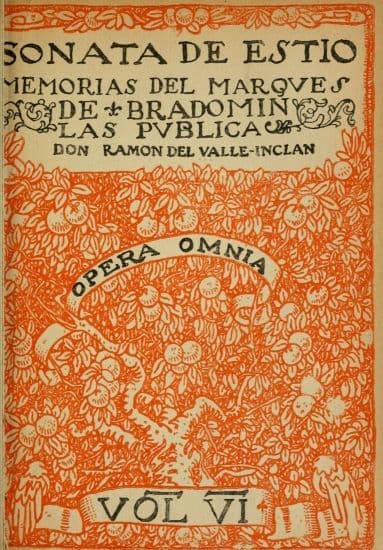
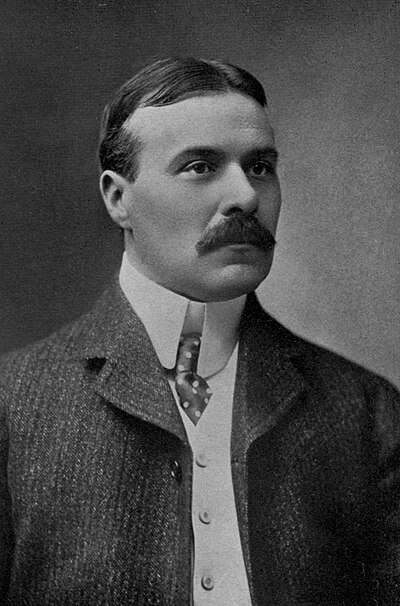
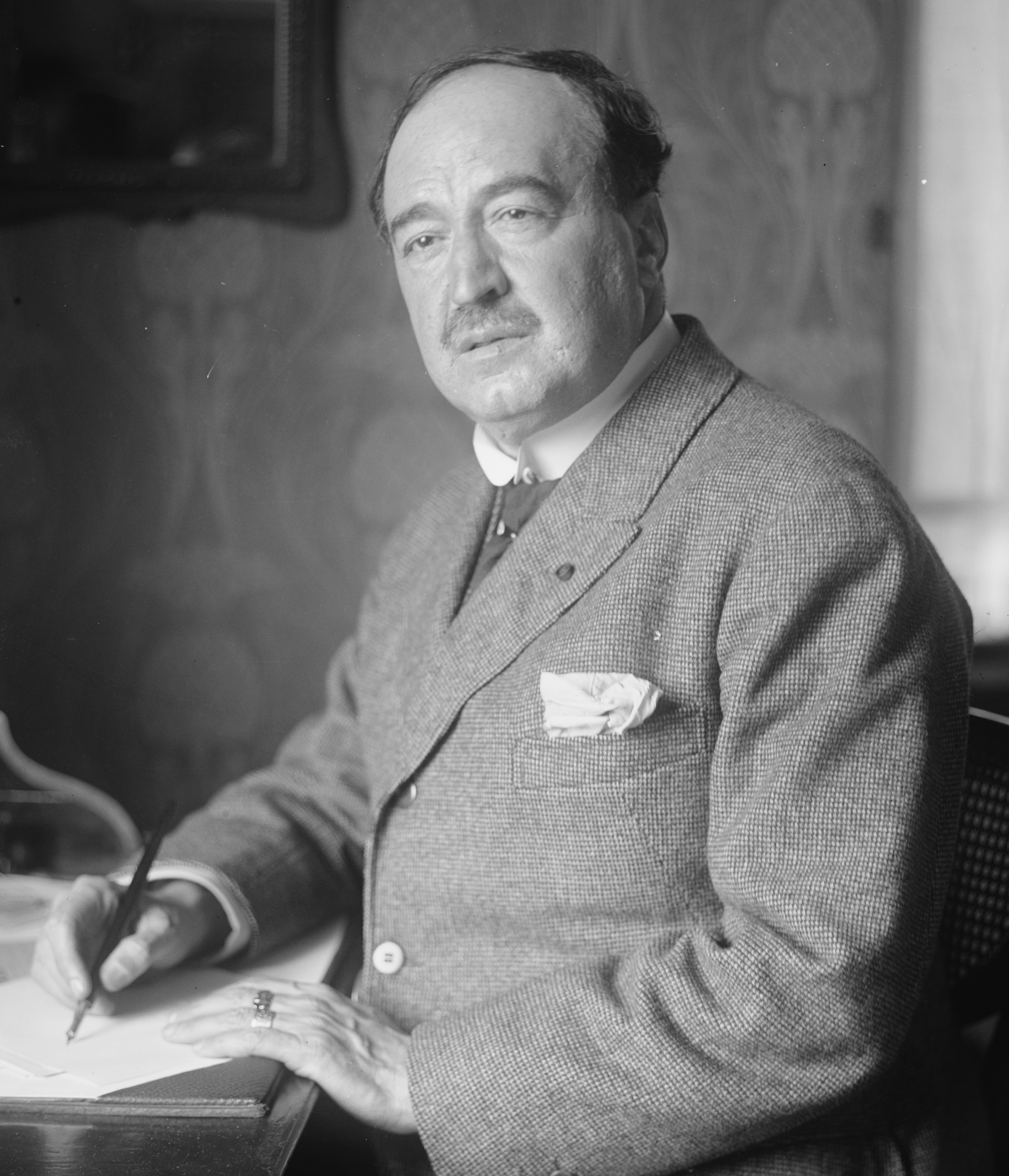
Ramón del Valle-Inclán was a prominent Spanish playwright, novelist, and poet, known for his innovative contributions to modernist literature and the Spanish avant-garde. Born in Galicia, his early experiences in a culturally rich environment deeply influenced his artistic vision. Valle-Inclán's works often explore themes of social injustice, the absurdity of human existence, and the complexities of Spanish identity, reflecting the turbulent socio-political landscape of early 20th-century Spain. His unique style, characterized by a blend of realism and expressionism, gave rise to the genre known as 'esperpento,' which critiques and distorts reality to reveal deeper truths about society. Among his notable works, "Tirano Banderas" stands out as a powerful political satire that critiques tyranny and corruption in Latin America. His play "Luces de Bohemia" is a seminal work in the esperpento genre, presenting a darkly humorous and tragic portrayal of a blind poet navigating the streets of Madrid. The "Sonata" series, including "Sonata de Primavera" and "Sonata de Otoño," showcases his lyrical prose and introspective exploration of love, loss, and the passage of time through the character of the Marqués de Bradomín. Valle-Inclán's literary legacy is marked by his ability to fuse poetic language with sharp social commentary, making him a pivotal figure in Spanish literature and a precursor to later movements such as surrealism and existentialism.
Famous Quotes
View all 19 quotes“En España el mérito no se premia. Se premia el robar y el ser sinvergüenza. En España se premia todo lo malo.””
“En España podrá faltar el pan, pero el ingenio y el buen humor no se acaban””
“España, en su concepción religiosa, es una tribu del Centro de África.””
Books from the author

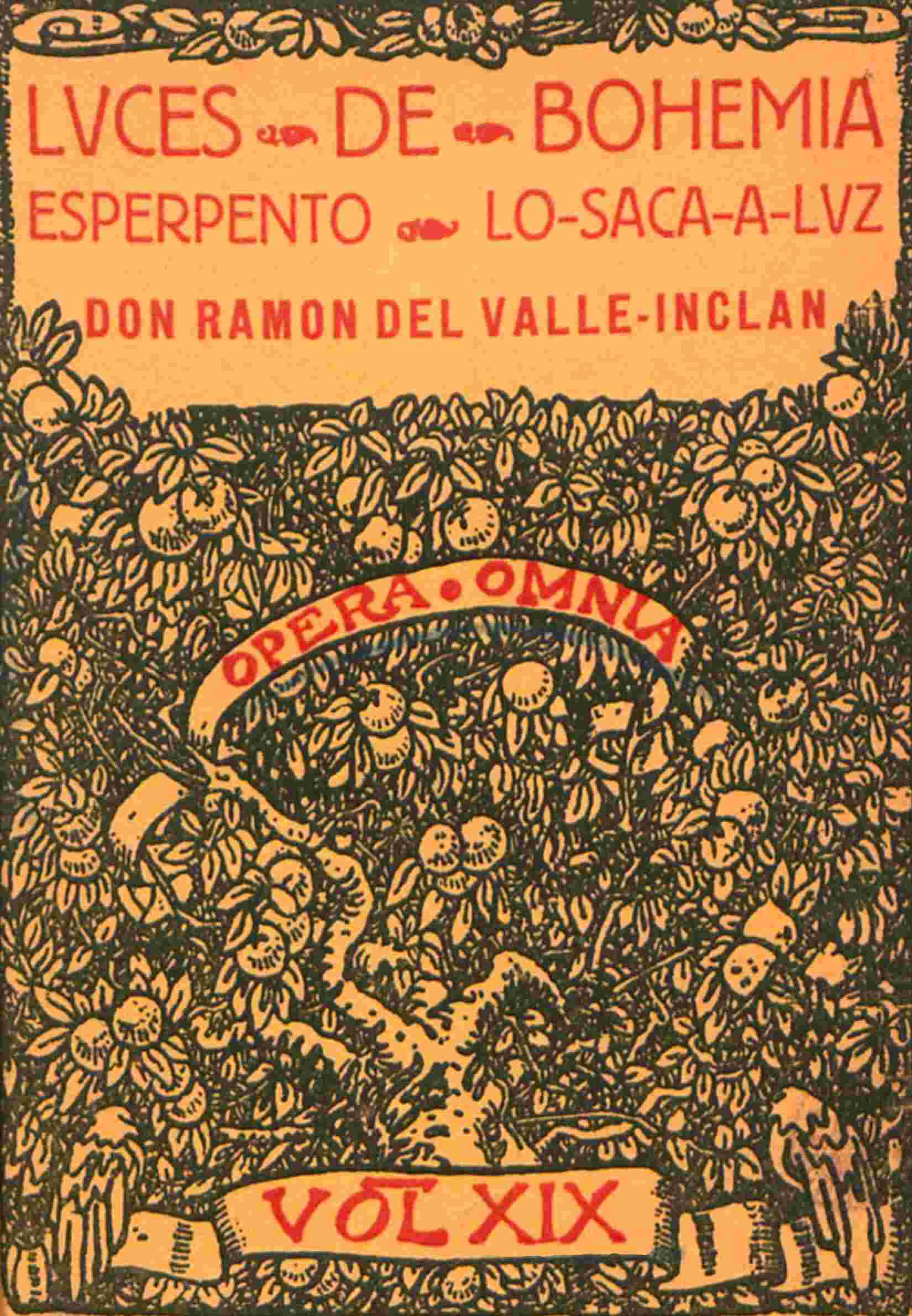
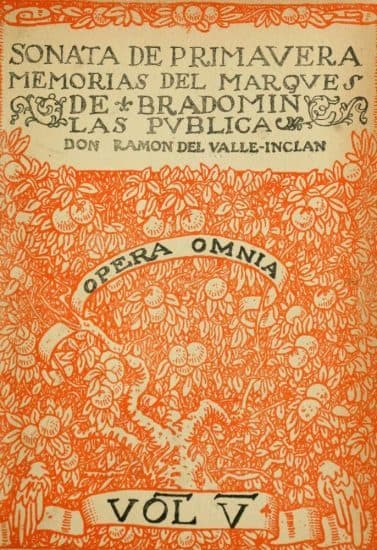
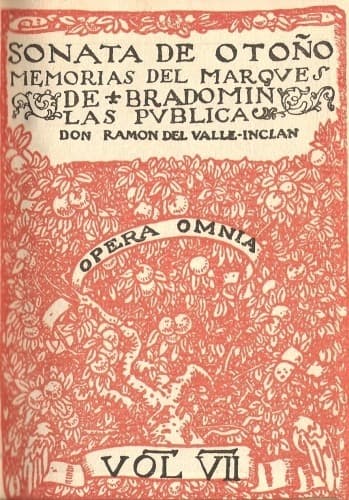


Link to this page
Add a free, dofollow link to Lex on your blog, forum, syllabus, or reading list.

<a href="https://lex-books.com/author/ramón-del-valle-inclán"><img src="https://lex-books.com/badges/read-on-lex.svg" alt="Ramón del Valle-Inclán on Lex" width="160" height="40"></a>[](https://lex-books.com/author/ramón-del-valle-inclán)[url=https://lex-books.com/author/ramón-del-valle-inclán][img]https://lex-books.com/badges/read-on-lex.svg[/img][/url]Ramón del Valle-Inclán on Lex: https://lex-books.com/author/ramón-del-valle-inclán