Luces De Bohemia: Esperpento
1924
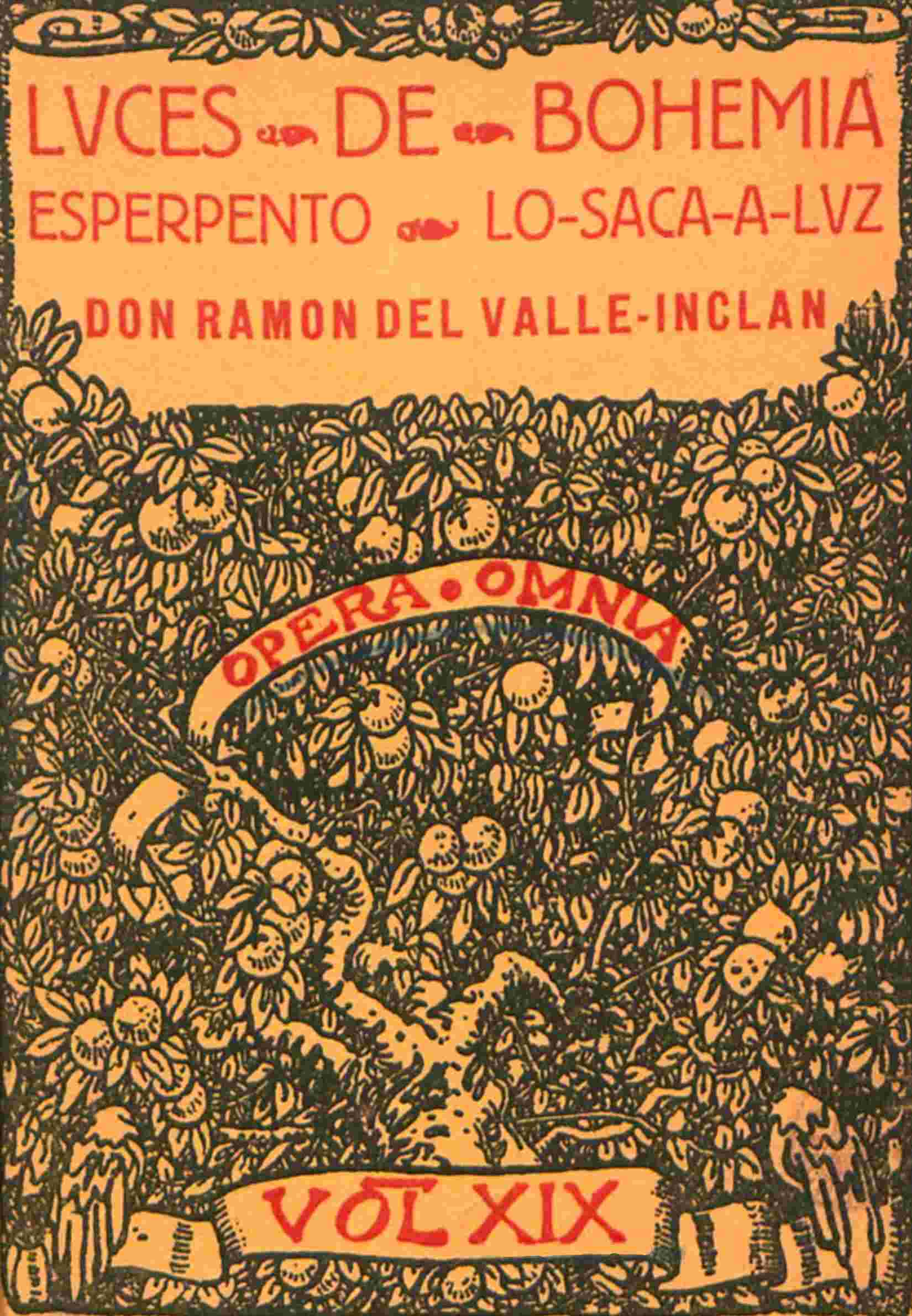
''Luces de Bohemia: Esperpento'' is a 1924 play by Ramón del Valle-Inclán that introduces the literary style of esperpento, characterized by exaggerated characters and grotesque situations. The story follows Max Estrella, a blind poet, as he navigates the absurdities of life in impoverished Madrid alongside his wife, Madame Collet, and their daughter, Claudinita. Through a series of dialogues filled with despair and humor, Valle-Inclán explores themes of poverty, existentialism, and the struggles of the artistic community, marking a significant shift in 20th-century Spanish drama.
Editions
X-Ray
“En España el mérito no se premia. Se premia el robar y el ser sinvergüenza. En España se premia todo lo malo.””
— Ramón del Valle-Inclán
“En España podrá faltar el pan, pero el ingenio y el buen humor no se acaban””
— Ramón del Valle-Inclán
“España, en su concepción religiosa, es una tribu del Centro de África.””
— Ramón del Valle-Inclán
“La cueva de Zaratustra en el Pretil de los Consejos. Rimeros de libros hacen escombro y cubren las paredes. Empapelan los cuatro vidrios de una puerta cuatro cromos espeluznantes de un novelón por entregas. En la cueva hacen tertulia el gato, el can, el loro y el librero. Zaratustra, abichado y giboso -la cara de tocino rancio y la bufanda de verde serpiente- promueve con su caracterización de fantoche, una aguda y dolorosa disonancia muy emotiva y muy moderna. Encogido en el roto pelote de su silla enana, con los pies entrapados y cepones en la tarima del brasero, guarda la tienda. Un ratón saca el hocico intrigante por un agujero.Zaratustra: ¡No pienses que no te veo, cabrón!El gato: ¡Fu! ¡Fu! ¡Fu!El can: ¡Guau!El loro: ¡Viva España!””
— Ramón del Valle-Inclán
“Mi nombre es Máximo Estrella. Mi seudónimo, Mala Estrella. Tengo el honor de no ser Académico.””
— Ramón del Valle-Inclán
“MAX: También se matan los jóvenes, Collet.MADAMA COLLET: No por cansancio de la vida. Los jóvenes se matan por romanticismo.MAX: Entonces, se matan por amar demasiado la vida.””
— Ramón del Valle-Inclán
“El periodismo es travesura, lo mismo que la política. Son el mismo círculo en diferentes espacios.””
— Ramón del Valle-Inclán
“¡Cráneo previlegiado!””
— Ramón del Valle-Inclán
“¡Mentira parece que sean ustedes intelectuales y que promuevan esos escándalos! ¿Qué dejan ustedes para los analfabetos?””
— Ramón del Valle-Inclán
Link to this book
Add a free, dofollow link to Lex on your blog, forum, syllabus, or reading list.

<a href="https://lex-books.com/book/luces-de-bohemia-esperpento-ee7d24b0-2e3f-4e2a-a06a-88166f9afb17"><img src="https://lex-books.com/badges/read-on-lex.svg" alt="Read Luces De Bohemia: Esperpento by Ramón del Valle-Inclán free on Lex" width="160" height="40"></a>[](https://lex-books.com/book/luces-de-bohemia-esperpento-ee7d24b0-2e3f-4e2a-a06a-88166f9afb17)[url=https://lex-books.com/book/luces-de-bohemia-esperpento-ee7d24b0-2e3f-4e2a-a06a-88166f9afb17][img]https://lex-books.com/badges/read-on-lex.svg[/img][/url]Read Luces De Bohemia: Esperpento by Ramón del Valle-Inclán free on Lex: https://lex-books.com/book/luces-de-bohemia-esperpento-ee7d24b0-2e3f-4e2a-a06a-88166f9afb17Cite this book
Reading this edition for a paper or guide? Copy a citation.
Valle-Inclán, Ramón del. Luces De Bohemia: Esperpento. Lex, lex-books.com/book/luces-de-bohemia-esperpento-ee7d24b0-2e3f-4e2a-a06a-88166f9afb17.Valle-Inclán, R. D. (1924). Luces De Bohemia: Esperpento. Lex. https://lex-books.com/book/luces-de-bohemia-esperpento-ee7d24b0-2e3f-4e2a-a06a-88166f9afb17Valle-Inclán, Ramón del. Luces De Bohemia: Esperpento. Lex. https://lex-books.com/book/luces-de-bohemia-esperpento-ee7d24b0-2e3f-4e2a-a06a-88166f9afb17.