
Ramalho Ortigão
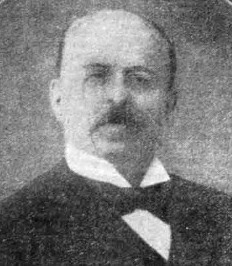
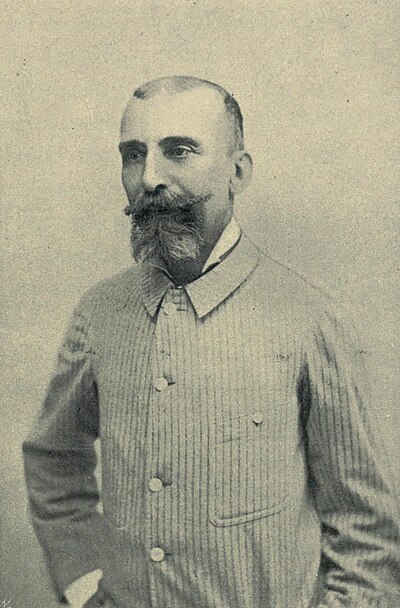
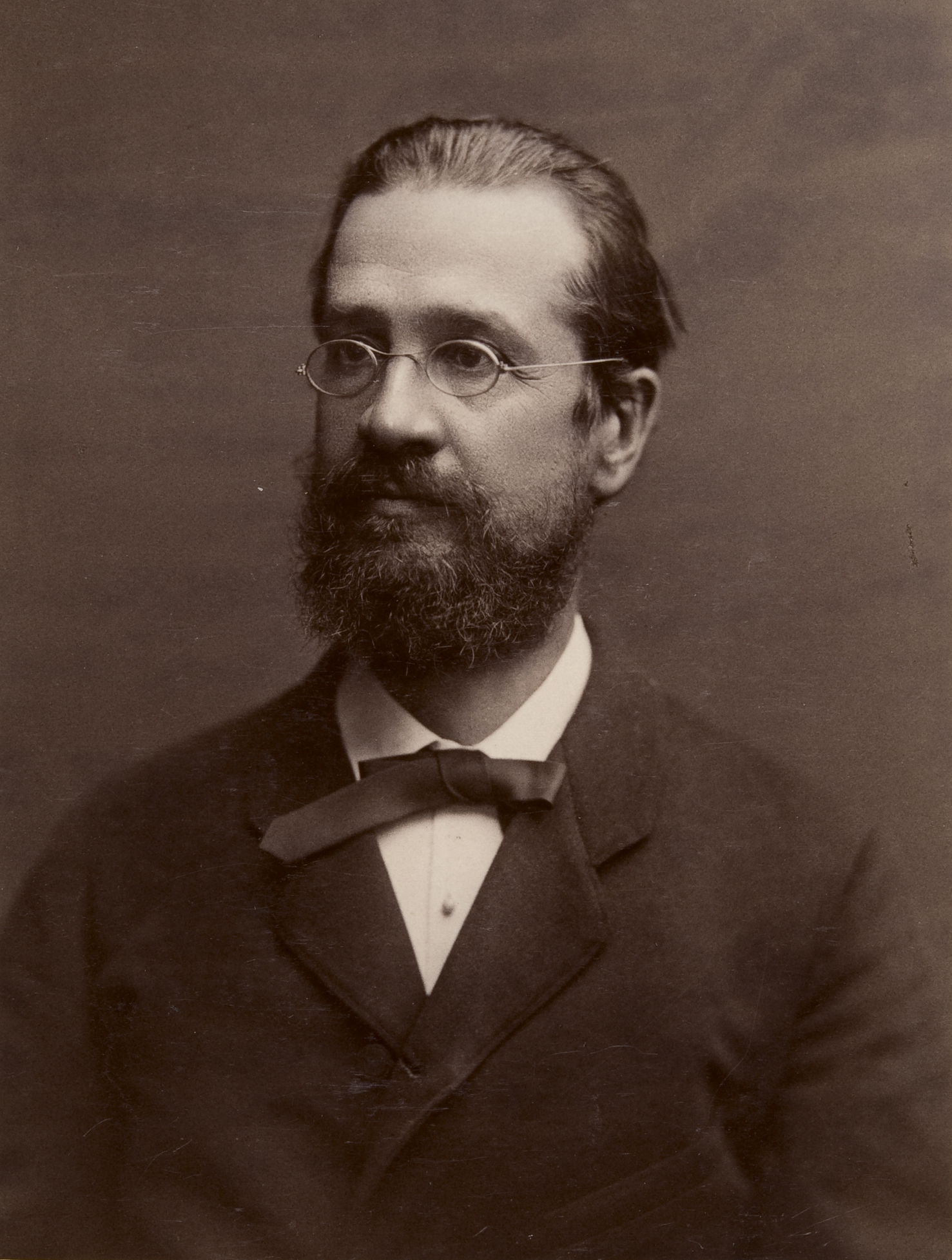
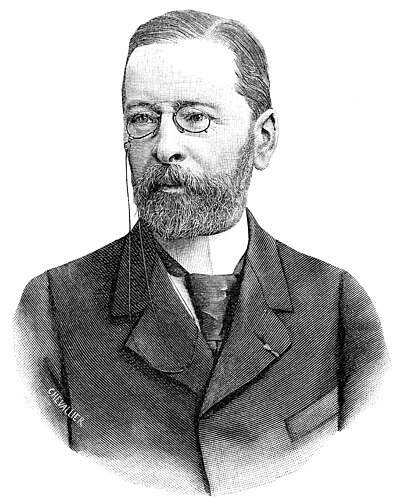
Ramalho Ortigão was a prominent Portuguese writer, journalist, and literary critic, known for his significant contributions to Portuguese literature in the 19th century. Born in Lisbon, he was educated in a culturally rich environment that fostered his literary ambitions. Ortigão's works often reflected his keen observations of society, blending humor with a critical eye on the social norms of his time. His most notable works include 'A Morte de D. João' and 'O Livro de Ouro', which showcased his ability to weave intricate narratives that explored themes of morality and human nature. Ortigão was also a key figure in the literary movement known as Realism, which sought to depict life accurately and without idealization. His writings often critiqued the bourgeois society of his era, making him a significant voice in the discourse surrounding social issues in Portugal. As a journalist, he contributed to various publications, where he advocated for literary and cultural reforms. His legacy endures through his influence on subsequent generations of Portuguese writers, and he is remembered as a pivotal figure in the evolution of modern Portuguese literature.
Famous Quotes
View all 2 quotes“Tem-se a impressão que os Portugueses precisam de emigrar para desenvolverem todos os recursos da sua nativa e latente capacidade. Porquê? Porque na sua terra a casta dos políticos, a mais vil de todas as castas, como diz Paul Adam, predomina; absorve as energias nacionais, na mera ambição e na reles intriga dos partidos; revoluciona; revolve até os seus mais profundos alicerces o equilíbrio social; perturba e enxovalha a serenidade da aplicação e do trabalho; em nome de uma quimérica igualdade com que incendeia a brutalidade das multidões, decapita e destrói a influência ponderadora das élites e deturpa, avilta emporcalha tudo, afogando num cataclismo de lama a dignidade de um país inteiro.””
“Não é pela mudança de governantes, sejam verdes e vermelhos, sejam azuis e brancos, extraídos todos da mesma massa comum de cidadãos de refugo, combatidos e avariados, que se transformam as civilizações. É ùnicamente pela acção, lenta mas definitiva, da influência das élites sobre a obtusidade das massas que tais transformações se realizam.””
Books from the author

Link to this page
Add a free, dofollow link to Lex on your blog, forum, syllabus, or reading list.

<a href="https://lex-books.com/author/ramalho-ortigão"><img src="https://lex-books.com/badges/read-on-lex.svg" alt="Ramalho Ortigão on Lex" width="160" height="40"></a>[](https://lex-books.com/author/ramalho-ortigão)[url=https://lex-books.com/author/ramalho-ortigão][img]https://lex-books.com/badges/read-on-lex.svg[/img][/url]Ramalho Ortigão on Lex: https://lex-books.com/author/ramalho-ortigão