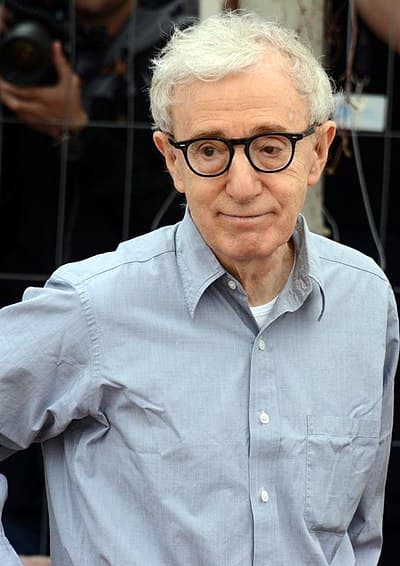
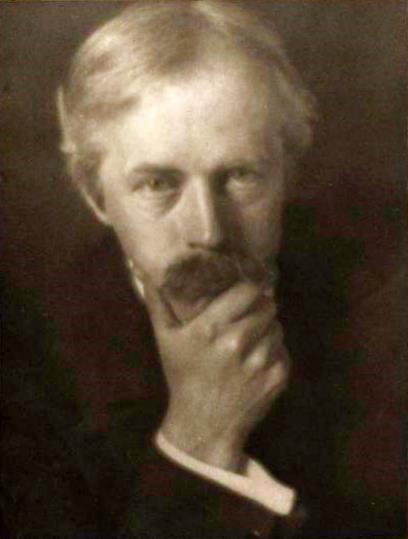
P. S. Allen
P. S. Allen was a prominent English scholar and academic known for his contributions to the study of Renaissance literature and humanism. He served as a lecturer at the universities of Oxford and London, where he delivered insightful lectures that explored the intellectual climate of the Renaissance period, particularly focusing on the influential figure of Erasmus. His notable work, 'The Age of Erasmus: Lectures Delivered in the Universities of Oxford and London,' encapsulates these lectures and reflects Allen's deep engagement with the themes of humanism, education, and the cultural transformations of the time. Allen's scholarship is significant for its thorough analysis of Erasmus's impact on European thought and literature. He adeptly contextualized Erasmus within the broader currents of Renaissance humanism, emphasizing the importance of classical learning and moral philosophy. Through his lectures and writings, Allen contributed to a greater understanding of the complexities of the Renaissance, making him a key figure in the academic discourse of his time. His legacy endures in the field of literary studies, where his insights continue to inform discussions about the interplay between literature and historical context.
Famous Quotes
View all 8 quotes“Duelo de ingenio con el inspector Ford El secuestro extravaganteOs quiere, Kermit. P.S. Esto no es una broma. Adjunto una broma para que podáis apreciar la diferencia””
“After years of fighting, the war was a complete stalemate and would have ended almost immediately in a negotiated settlement (as had most other European conflicts) had not the U.S. declared war on Germany. As soon as Wilson's re-election had been engineered through the "he kept us out of war" slogan, a complete reversal of propaganda was instituted. In those days before radio and television, public opinion was controlled almost exclusively by newspapers. Many of the major newspapers were controlled by the Federal Reserve crowd. Now they began beating the drums over the "inevitability of war." Arthur Ponsonby, a memebr of the British parliament, admitted in his book Falsehood In War Time (E. P. Dutton & Co., Inc., New York, 1928): "There must have been more deliberate lying in the world from 1914 to 1918 than in any other period of the world's history." Propaganda concerning the war was heavily one-sided. Although after the war many historians admitted that one side was as guilty as the other in starting the war, Germany was pictured as a militaristic monster which wanted to rule the world. Remember, this picture was painted by Britain which had its soldiers in more countries around the world than all other nations put together. So-called "Prussian militarism" did exist, but it was no threat to conquer the world. Meanwhile, the sun never set on the British Empire! Actually, the Germans were proving to be tough business competitors in the world's markets and the British did not approve.””
“Professor Sutton proves conclusively in his three volume history of Soviet technological development that the Soviet Union was almost literally manufactured by the U.S.A. Sutton quotes a report by Averell Harriman to the State Department in June, 1944 as stating: -> "Stalin paid tribute to the assistance rendered by the United States to Soviet industry before and during the war. He said that about two-thirds of all the large industrial enterprise in the Soviet Union had been built with United States help or technical assistance." (Sutton, op. cit., Vol. II, p. 3.) <- Remember that this””
Books from the author



Link to this page
Add a free, dofollow link to Lex on your blog, forum, syllabus, or reading list.

<a href="https://lex-books.com/author/p-s-allen"><img src="https://lex-books.com/badges/read-on-lex.svg" alt="P. S. Allen on Lex" width="160" height="40"></a>[](https://lex-books.com/author/p-s-allen)[url=https://lex-books.com/author/p-s-allen][img]https://lex-books.com/badges/read-on-lex.svg[/img][/url]P. S. Allen on Lex: https://lex-books.com/author/p-s-allen