Otto Schoetensack
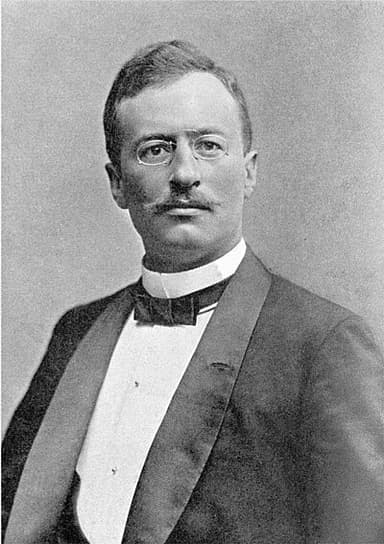
Otto Schoetensack was a German industrialist turned anthropologist, best known for his pivotal role in the discovery of one of the earliest known human fossils. After establishing a successful chemical firm, he shifted his focus to academia, where he became a professor of anthropology. In 1908, during an archaeological excavation in Germany, Schoetensack oversaw the work of laborer Daniel Hartmann, who unearthed a lower jawbone that would later be classified as Homo heidelbergensis. This find not only provided significant insights into human evolution but also marked a crucial moment in the study of prehistoric humans. Schoetensack's contributions to anthropology extended beyond this discovery; he was instrumental in advancing the understanding of human ancestry and the evolutionary process. His formal description of Homo heidelbergensis helped to solidify the species' importance in the evolutionary timeline. Through his work, Schoetensack left a lasting legacy in the field of anthropology, influencing future research and discussions surrounding human origins and the development of early hominids.