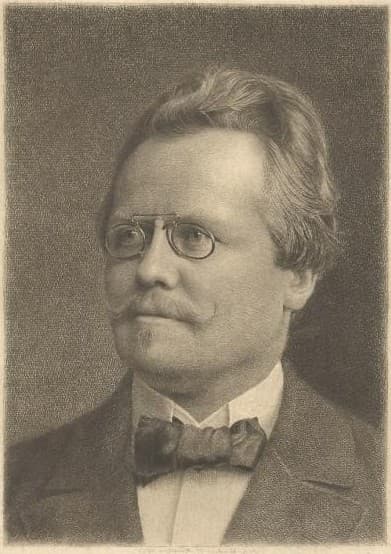
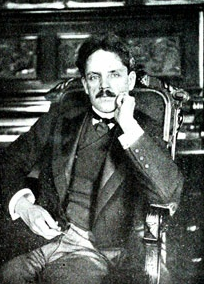
Otto Julius Bierbaum
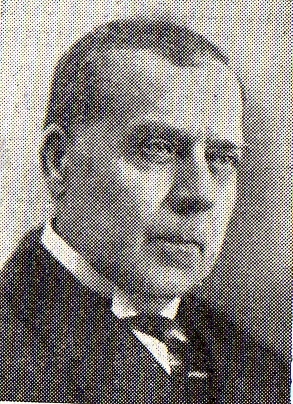
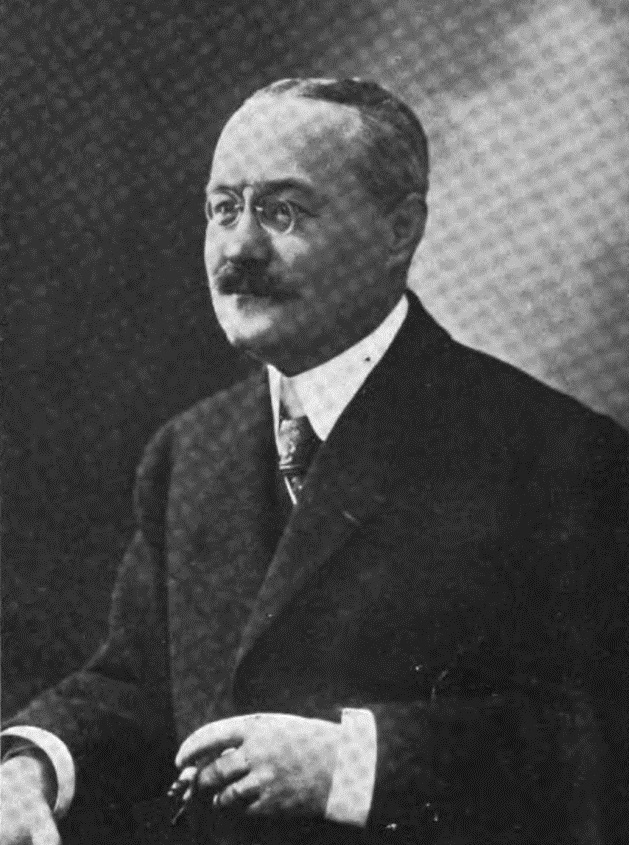
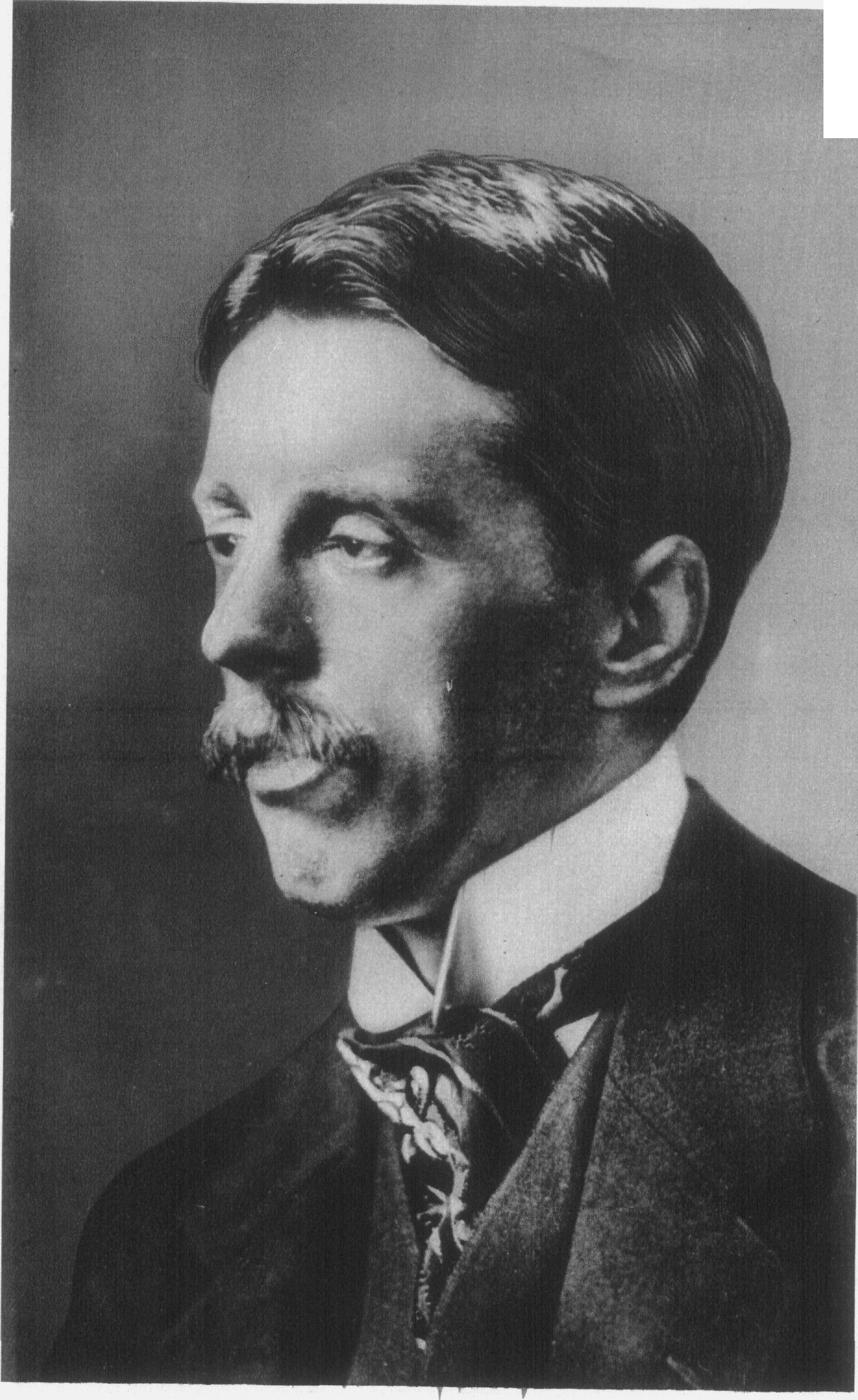
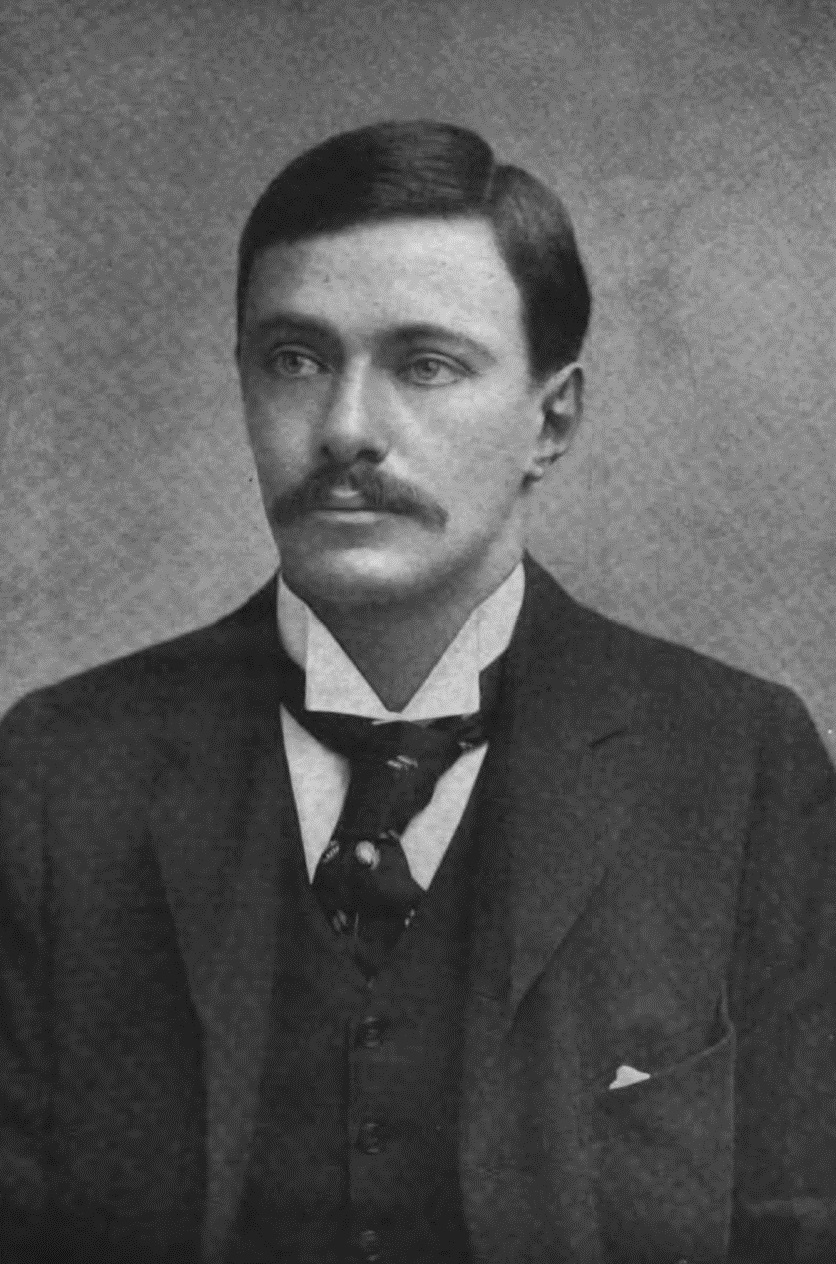
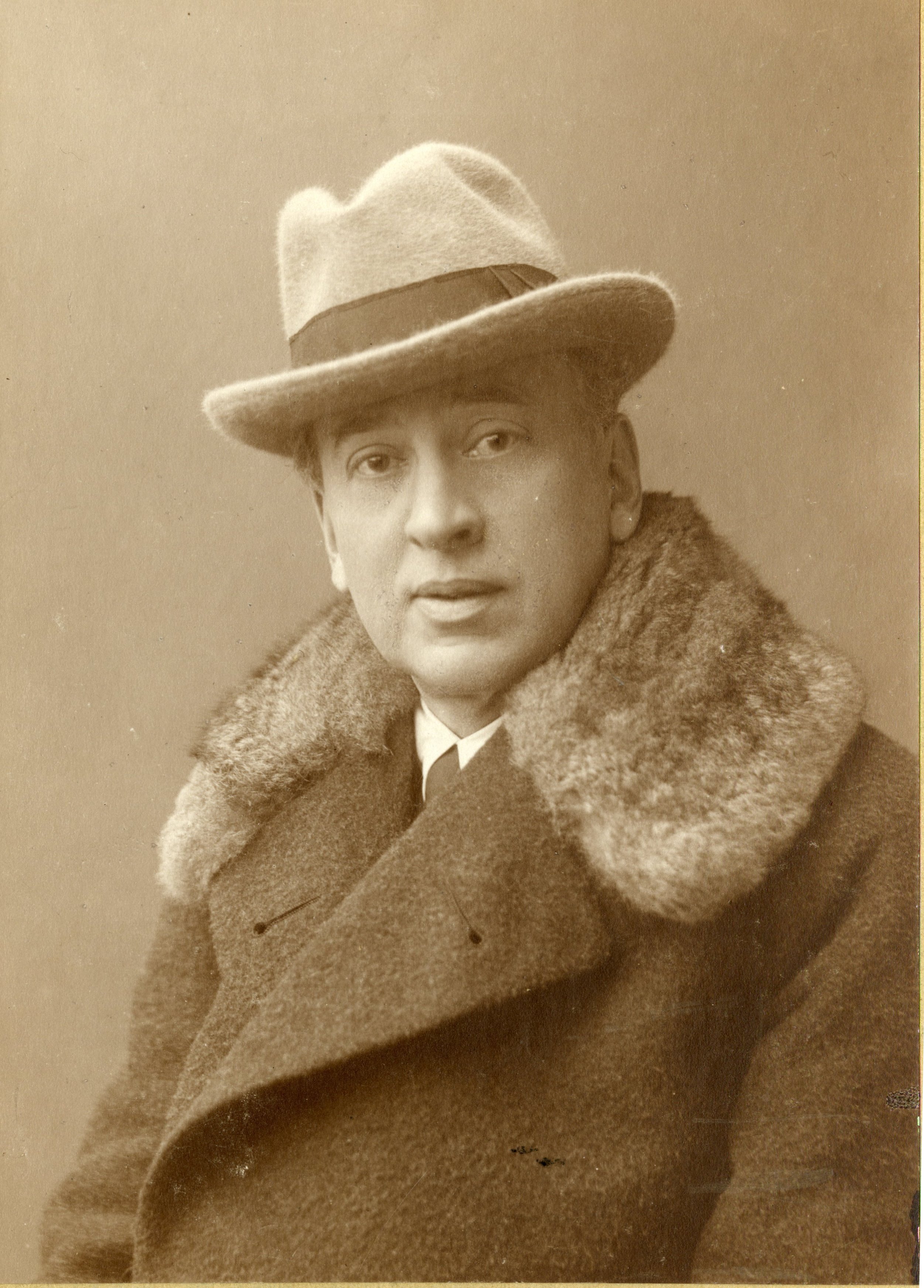
Otto Julius Bierbaum was a multifaceted German writer known for his contributions to poetry, journalism, and fiction. Born in Grünberg, Silesia, he pursued his studies in Leipzig before embarking on a career as a journalist and editor for various literary journals, including Die freie Bühne, Pan, and Die Insel. His poetic works often drew from traditional forms such as Minnesang and folksongs, and he collaborated with composers like Pauline Volkstein, who set his texts to music. Bierbaum's literary output was diverse, reflecting the cultural currents of his time. Among his notable works, the novel Stilpe, published in 1897, played a significant role in the establishment of cabaret culture in Berlin, inspiring Ernst von Wolzogen to create the Überbrettl, the first cabaret venue. Bierbaum also adapted Carlo Collodi's beloved tale in his novel Zäpfel Kerns Abenteuer, showcasing his ability to reinterpret classic narratives. His final work, Yankeedoodlefahrt, released in 1909, introduced the phrase "Humor ist, wenn man trotzdem lacht," which has since become a well-known proverb in German. Through his innovative writing and influence on the cabaret movement, Bierbaum left a lasting legacy in German literature, bridging the gap between traditional forms and modern expression.
Books from the author






Link to this page
Add a free, dofollow link to Lex on your blog, forum, syllabus, or reading list.

<a href="https://lex-books.com/author/otto-julius-bierbaum"><img src="https://lex-books.com/badges/read-on-lex.svg" alt="Otto Julius Bierbaum on Lex" width="160" height="40"></a>[](https://lex-books.com/author/otto-julius-bierbaum)[url=https://lex-books.com/author/otto-julius-bierbaum][img]https://lex-books.com/badges/read-on-lex.svg[/img][/url]Otto Julius Bierbaum on Lex: https://lex-books.com/author/otto-julius-bierbaum