
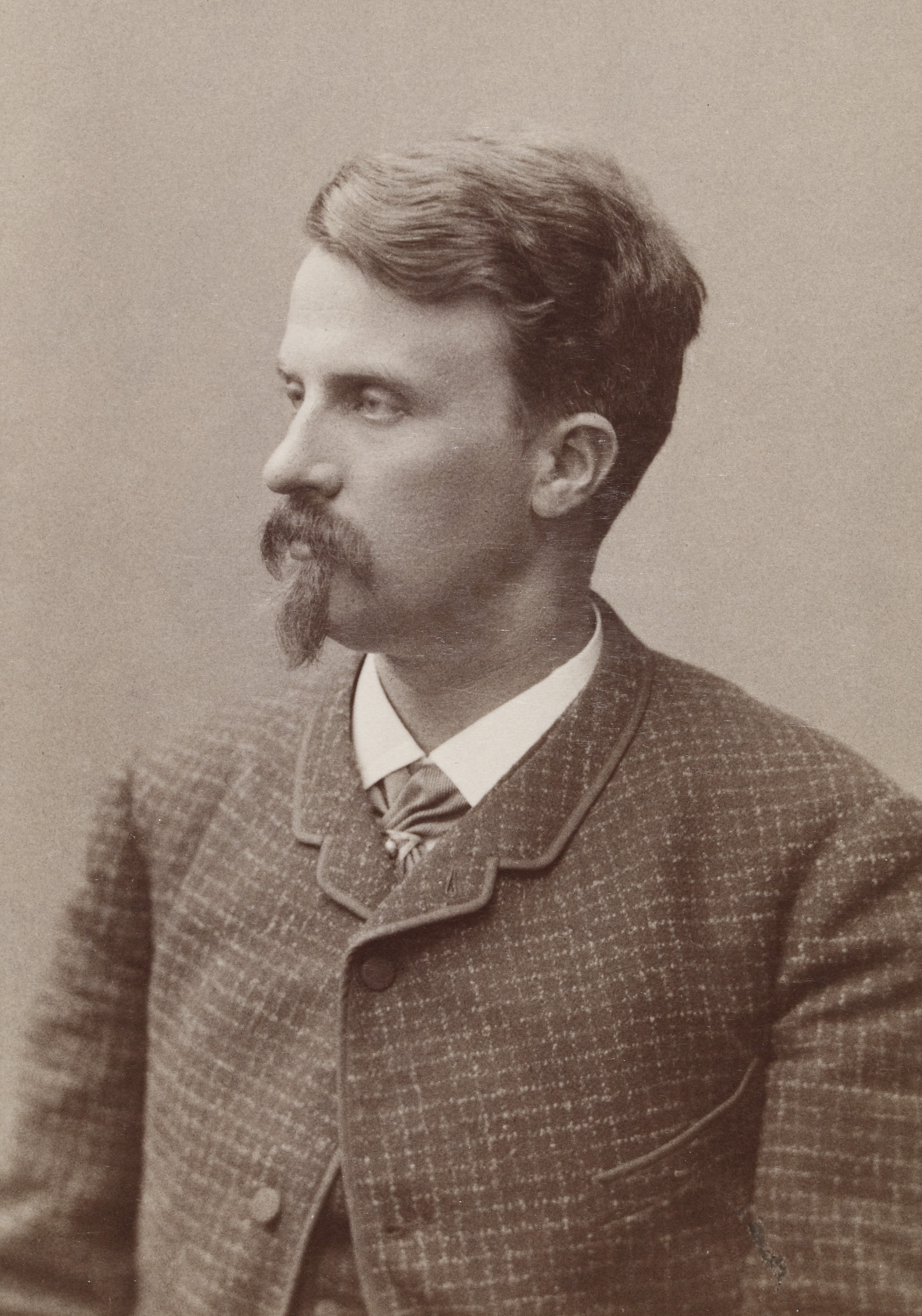
Nicolas Notovitch
Nicolas Notovitch was a Crimean Jewish adventurer and self-proclaimed Russian aristocrat, best known for his controversial claims regarding the life of Jesus Christ. In his 1894 book, "The Unknown Life of Jesus Christ," Notovitch asserted that Jesus traveled to India during the so-called 'lost years' of his life, where he purportedly studied under Buddhist and Hindu masters. This assertion was based on a document he claimed to have discovered at the Hemis Monastery in Ladakh. However, the academic community largely dismissed his claims as a hoax, and his work has been met with skepticism and criticism over the years, leading to ongoing debates about the authenticity of his sources and the implications of his narrative on religious studies. In addition to his exploration of Jesus's alleged travels, Notovitch authored several political works that examined Russia's role in various conflicts. His writings reflect a blend of adventure, spirituality, and political commentary, positioning him as a figure of intrigue in both literary and historical contexts. Despite the controversies surrounding his most famous work, Notovitch's contributions to the discourse on religion and spirituality in the late 19th century continue to provoke interest and discussion, illustrating the complex interplay between faith, culture, and historical narrative.
Famous Quotes
View all 3 quotes“Wander not in the darkness, seeking the way, lest ye fall into the ditch; but gather together, sustain one another, put your faith in your God and wait for the first glimmer of light to re-appear. 9. “He who sustains his neighbor, sustains himself; and he who protects his family, protects all his people and his country.”
“Therefore I say unto you, after God, to woman must belong your best thoughts, for she is the divine temple where you will most easily obtain perfect happiness.”
“When we were seated, they brought us beer, made with hops, called here “Tchang” and brewed in the cloister. It has a tendency to rapidly produce embonpoint upon the monks, which is regarded as a sign of the particular favor of Heaven.”
Books from the author


Link to this page
Add a free, dofollow link to Lex on your blog, forum, syllabus, or reading list.

<a href="https://lex-books.com/author/nicolas-notovitch"><img src="https://lex-books.com/badges/read-on-lex.svg" alt="Nicolas Notovitch on Lex" width="160" height="40"></a>[](https://lex-books.com/author/nicolas-notovitch)[url=https://lex-books.com/author/nicolas-notovitch][img]https://lex-books.com/badges/read-on-lex.svg[/img][/url]Nicolas Notovitch on Lex: https://lex-books.com/author/nicolas-notovitch