Maurice Liber
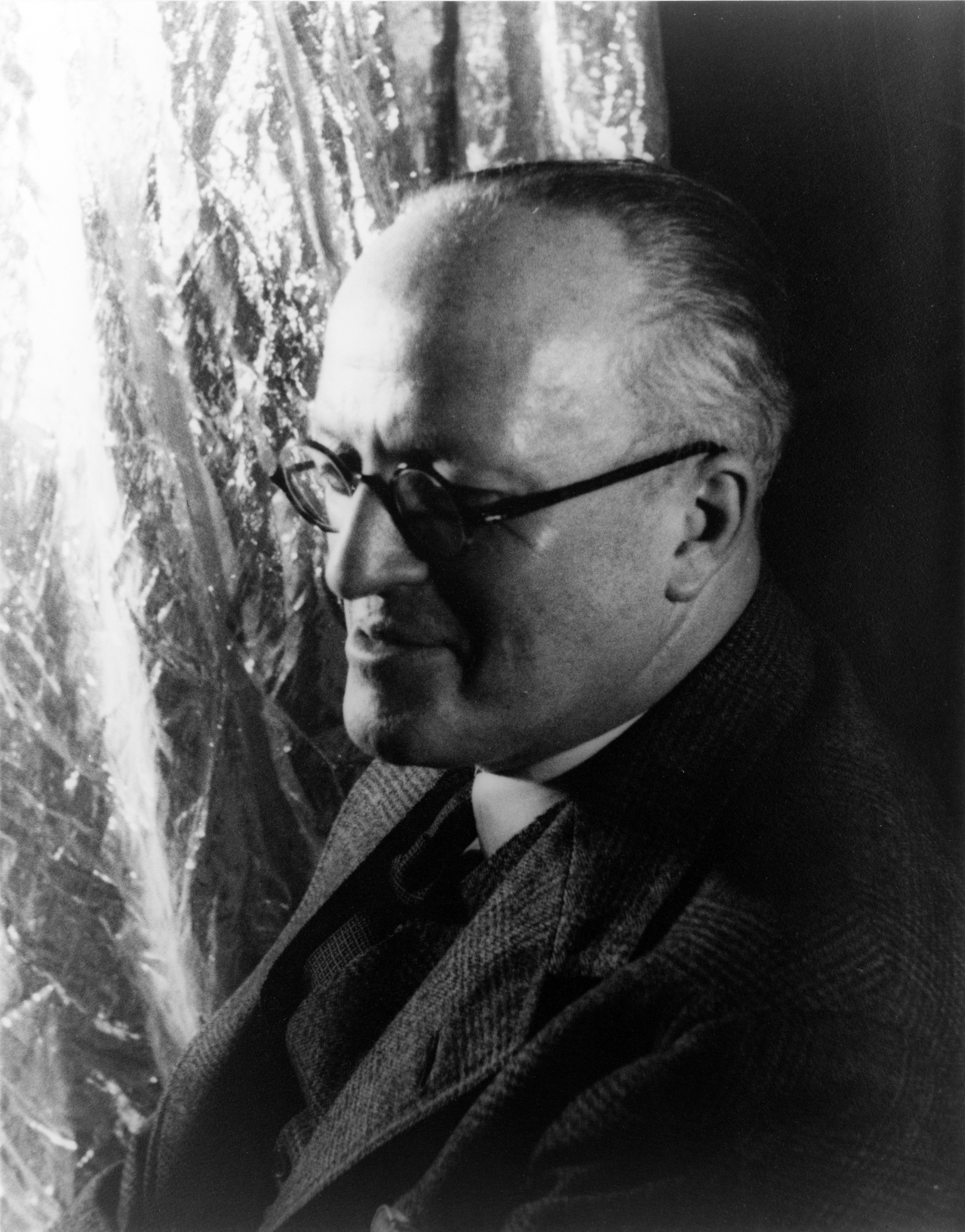
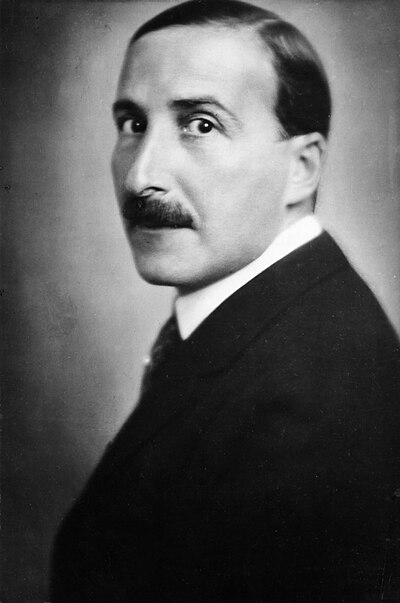
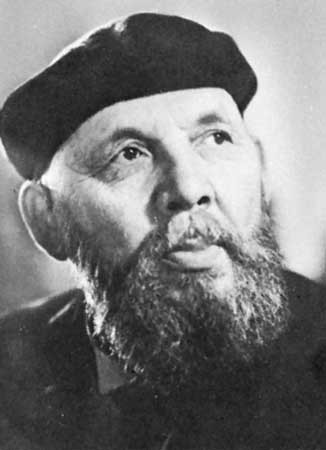
Maurice Liber was a French author and playwright, recognized for his contributions to literature during the early to mid-20th century. Born in 1884, he emerged as a significant literary figure, particularly noted for his exploration of Jewish themes and history. His most prominent work, 'Rashi,' delves into the life and legacy of the medieval Jewish scholar Rashi, offering readers a nuanced portrayal of the challenges and triumphs faced by Jewish communities in Europe. Through this work, Liber not only highlights Rashi's intellectual contributions but also reflects on the broader cultural and historical contexts of his time. Liber's writings are characterized by their deep engagement with Jewish identity and heritage, often intertwining personal narrative with historical reflection. His literary significance lies in his ability to bridge the past with contemporary issues, making his works resonate with audiences seeking to understand the complexities of Jewish life and thought. Although not as widely known today, Maurice Liber's exploration of Jewish themes and his historical narratives have left a lasting impact on the literature of the period, contributing to the discourse surrounding Jewish identity in modern Europe.
Famous Quotes
View all 5 quotes“A regime which is nominally liberal can be oppressive in reality. A regime which acknowledges its violence might have more genuine humanity.””
“Peasants seldom write letters, and for my father the arrival of a letter was an important ceremony that entailed quite a ritual: the glass of wine for the postman, the close scrutiny of his name on the envelope”
“Respect for law and liberty has served to justify police suppression of strikes in America; today it serves even to justify military suppression in Indochina or in Palestine and the development of an American empire in the Middle East. The material and moral culture of England presupposes the exploitation of the colonies. The purity of principles not only tolerates but even requires violence. Thus there is a mystification in liberalism. Judging from history and by everyday events, liberal ideas belong to a system of violence...Whatever one's philosophical or even theological position, a society is not the temple of value-idols that figure on the front of its monuments or in its constitutional scrolls; the value of a society is the value it places upon man's relation to man. It is not just a question of knowing what the liberals have in mind but what in reality is done by the liberal state within and beyond its frontiers. Where it is clear that the purity of principles is not put into practice, it merits condemnation rather than absolution...Principles and the inner life are alibis the moment they cease to animate external and everyday life.””
Books from the author




Link to this page
Add a free, dofollow link to Lex on your blog, forum, syllabus, or reading list.

<a href="https://lex-books.com/author/maurice-liber"><img src="https://lex-books.com/badges/read-on-lex.svg" alt="Maurice Liber on Lex" width="160" height="40"></a>[](https://lex-books.com/author/maurice-liber)[url=https://lex-books.com/author/maurice-liber][img]https://lex-books.com/badges/read-on-lex.svg[/img][/url]Maurice Liber on Lex: https://lex-books.com/author/maurice-liber