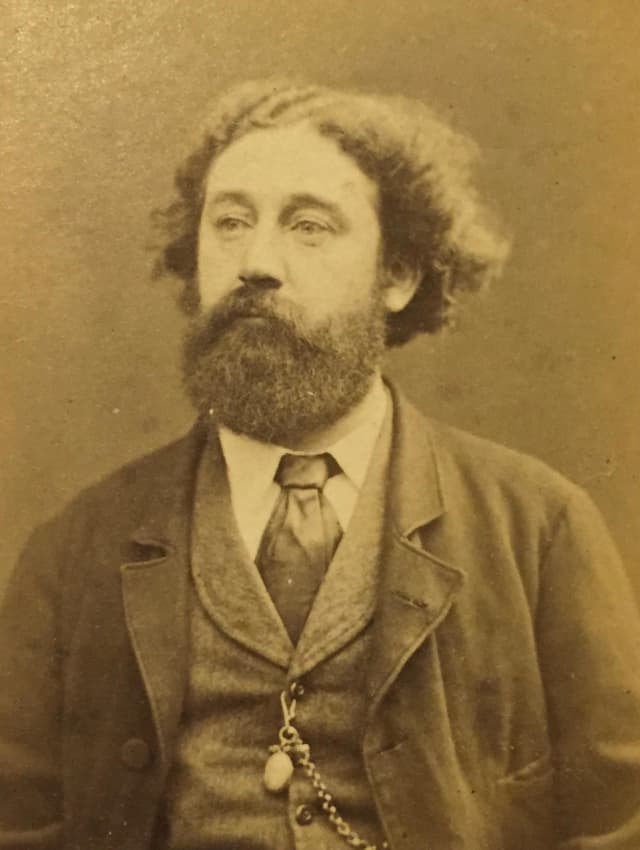
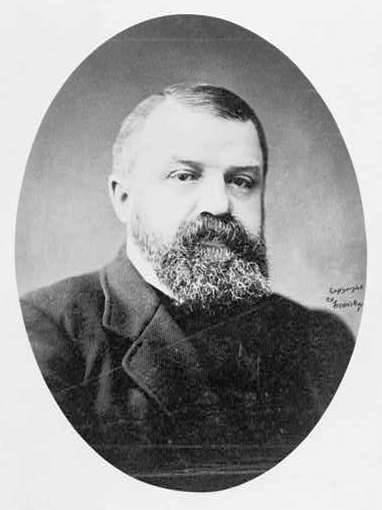
Maurice Joly
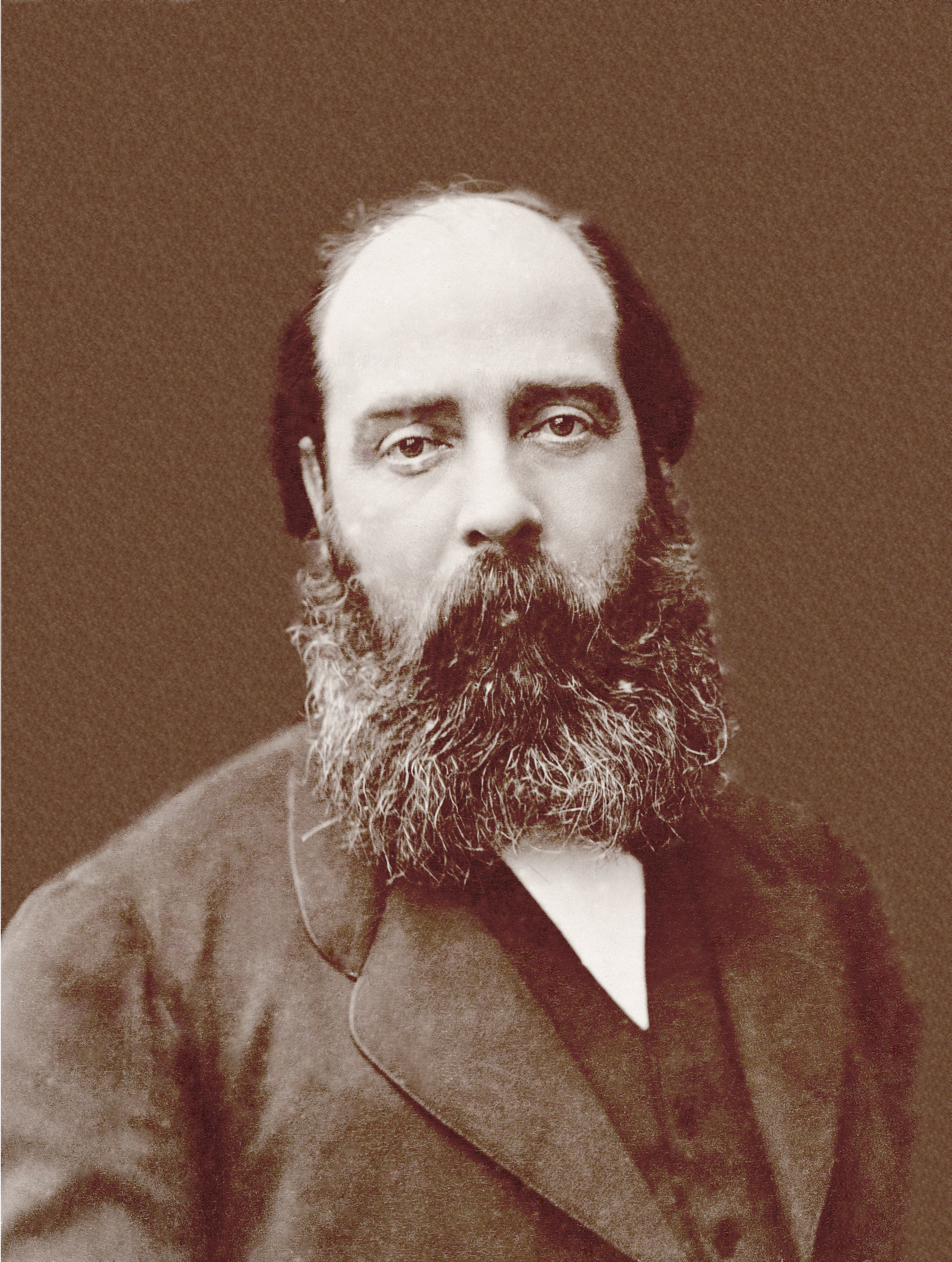
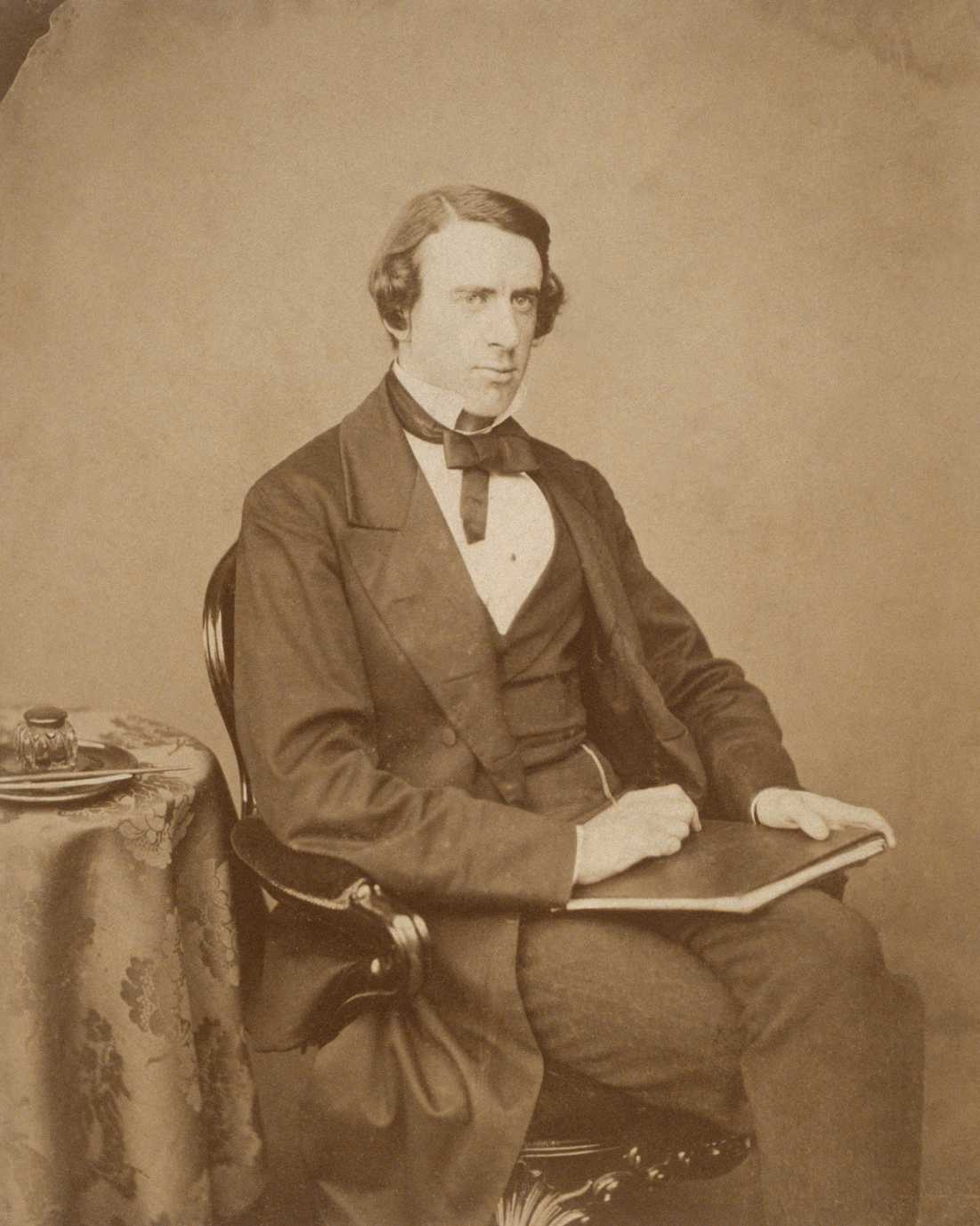
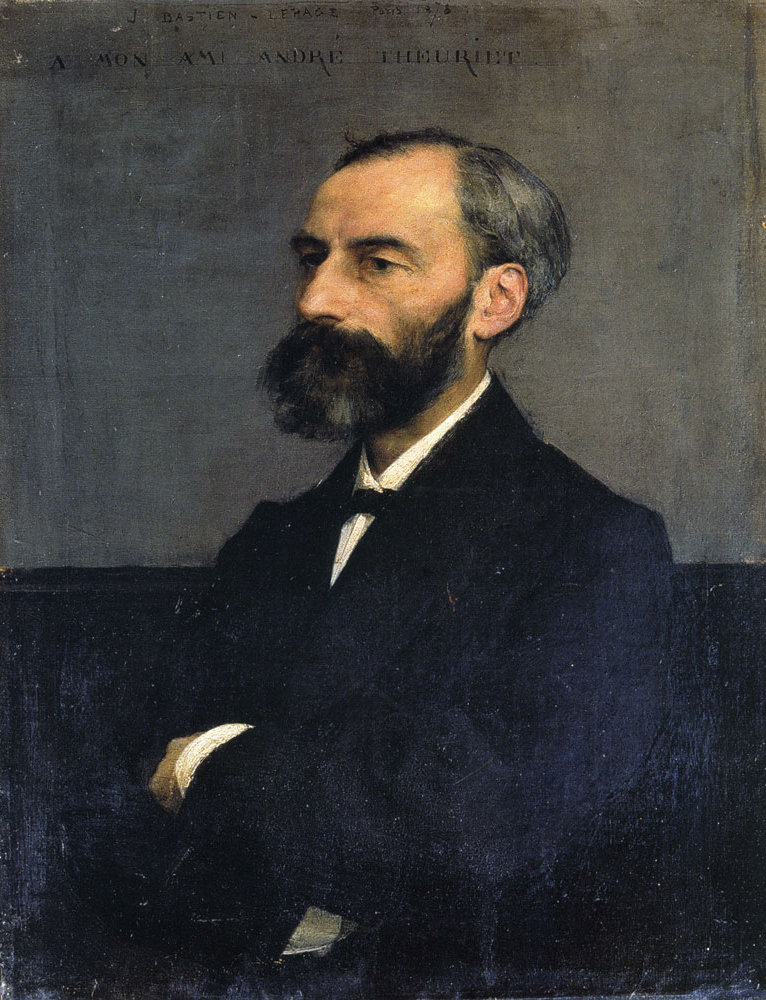
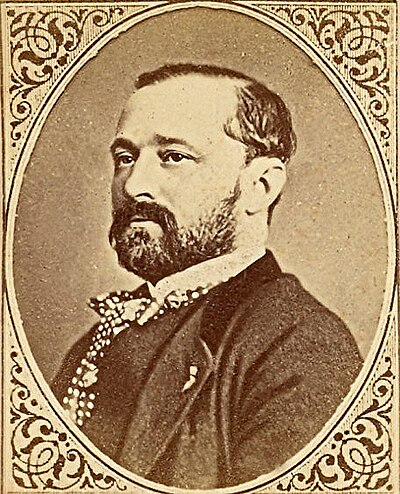
Maurice Joly was a French political writer and lawyer, best known for his influential work, The Dialogue in Hell Between Machiavelli and Montesquieu. Published in 1864, this satirical text critiqued the authoritarian regime of Napoleon III by presenting a fictional conversation between the Renaissance thinkers Niccolò Machiavelli and Montesquieu. Through this dialogue, Joly explored themes of power, tyranny, and the moral implications of political actions, effectively using satire to challenge the political climate of his time. Joly's writings not only provided a sharp critique of contemporary politics but also laid the groundwork for future political discourse. His work was notable for its innovative approach to political satire, blending philosophical inquiry with biting commentary. Although he faced persecution for his views, leading to his eventual exile, Joly's legacy endures as a precursor to modern political thought and satire, influencing subsequent generations of writers and thinkers who sought to address the complexities of governance and individual rights.
Famous Quotes
View all 3 quotes“Those who believe they speak their language would be speaking mine; those who believe they were acting in their party would be acting in mine; those who believe they were marching under their flag would be marching under mine.”
“El culto del príncipe es una especie de religión, y, como todas las religiones posibles, este culto impone contradicciones y misterios que están más allá de la razón”
“Cuando el soberano desconfía de sus impresiones, o cuando no cuenta con recursos de lenguaje suficientes para disfrazar su verdadero pensamiento, debe permanecer mudo, o hablar tan solo para impulsar la discusión. Es raro que, en un consejo bien integrado, no termine por expresarse de una u otra forma la actitud que conviene adoptar en una situación dada. El soberano la capta, y más de una vez quienes han dado su opinión de manera harto oscura se asombran al día siguiente viéndola ejecutada.”
Books from the author



Link to this page
Add a free, dofollow link to Lex on your blog, forum, syllabus, or reading list.

<a href="https://lex-books.com/author/maurice-joly"><img src="https://lex-books.com/badges/read-on-lex.svg" alt="Maurice Joly on Lex" width="160" height="40"></a>[](https://lex-books.com/author/maurice-joly)[url=https://lex-books.com/author/maurice-joly][img]https://lex-books.com/badges/read-on-lex.svg[/img][/url]Maurice Joly on Lex: https://lex-books.com/author/maurice-joly