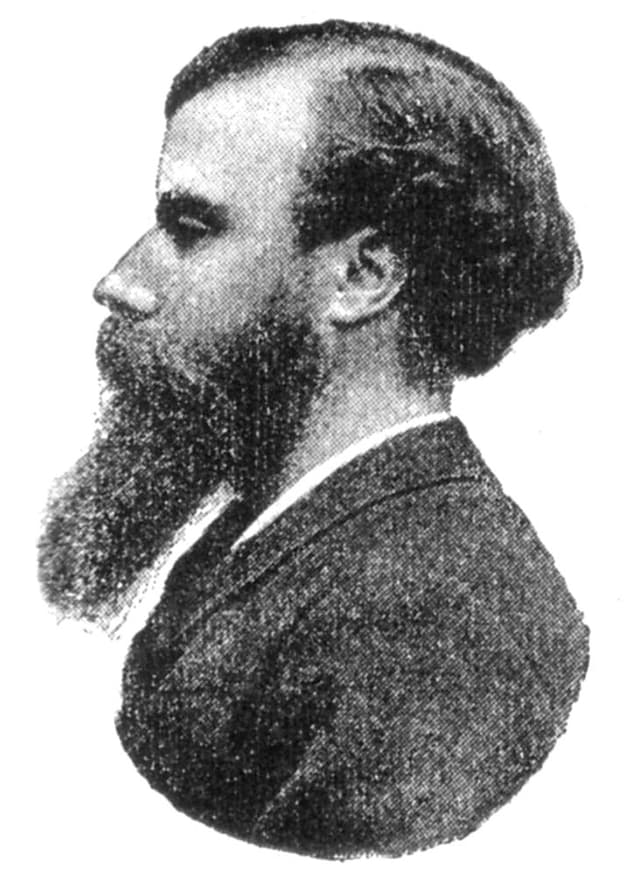
Maurice Bouchor
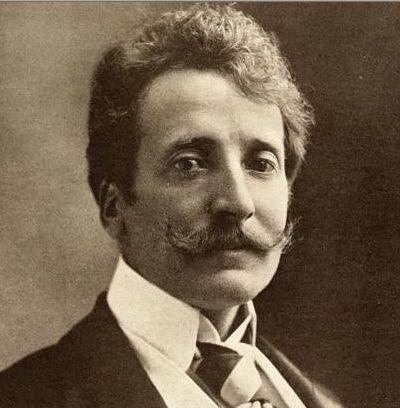
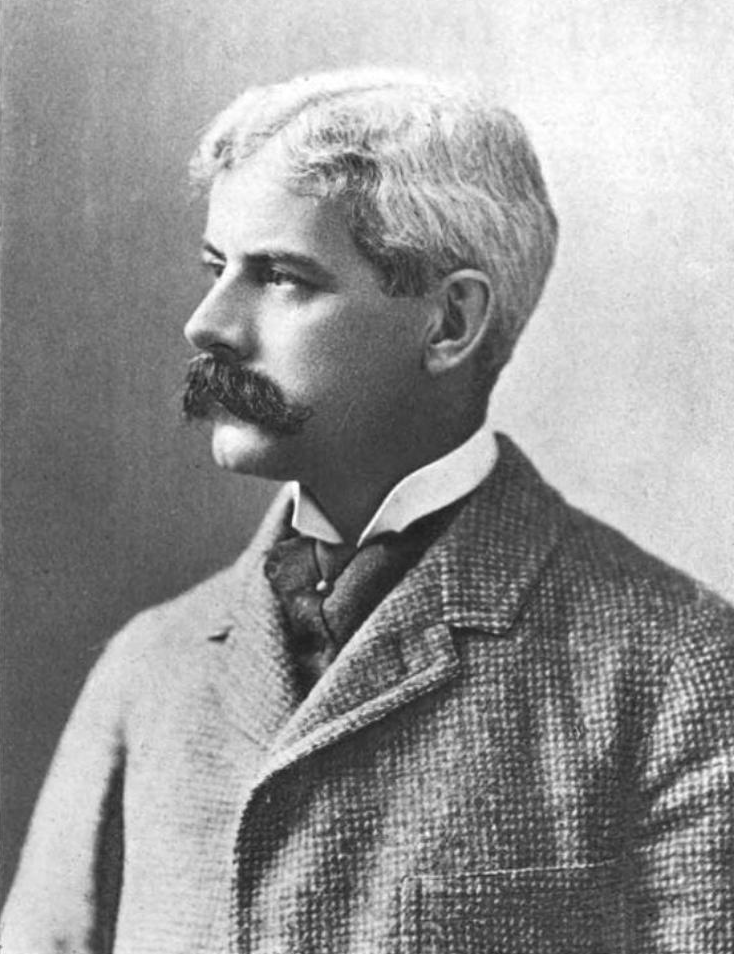
Maurice Bouchor was a French poet and sculptor born in Paris, whose literary career spanned the late 19th and early 20th centuries. He began publishing poetry at a young age, with works such as 'Chansons joyeuses' (1874) and 'Poèmes de l'amour et de la mer' (1875), showcasing his lyrical talent. His later works, including 'Aurore' (1883) and 'Les Symboles' (1888), reflected a deepening interest in religious mysticism, marking a significant evolution in his poetic voice. Bouchor also contributed to the satirical weekly 'Le Courrier français,' where his wit and insight into contemporary society were evident. In addition to his poetry, Bouchor was known for his innovative approach to theater, particularly through his marionette productions. He designed and crafted figures for miniature dramas that explored religious themes, such as 'Tobie' (1889) and 'Noel' (1890), performed at the Théâtre des Marionnettes in Paris. His one-act verse drama 'Conte de Noël' was staged at the Théâtre Français in 1895, further showcasing his versatility as a playwright. Bouchor's dedication to preserving French folk songs, in collaboration with musician Julien Tiersot, culminated in the publication of 'Chants populaires pour les écoles' (1897). Through his diverse contributions to literature and the arts, Bouchor left a lasting impact on French cultural life, blending poetry, theater, and music in a unique and engaging manner.
Books from the author



Link to this page
Add a free, dofollow link to Lex on your blog, forum, syllabus, or reading list.

<a href="https://lex-books.com/author/maurice-bouchor"><img src="https://lex-books.com/badges/read-on-lex.svg" alt="Maurice Bouchor on Lex" width="160" height="40"></a>[](https://lex-books.com/author/maurice-bouchor)[url=https://lex-books.com/author/maurice-bouchor][img]https://lex-books.com/badges/read-on-lex.svg[/img][/url]Maurice Bouchor on Lex: https://lex-books.com/author/maurice-bouchor