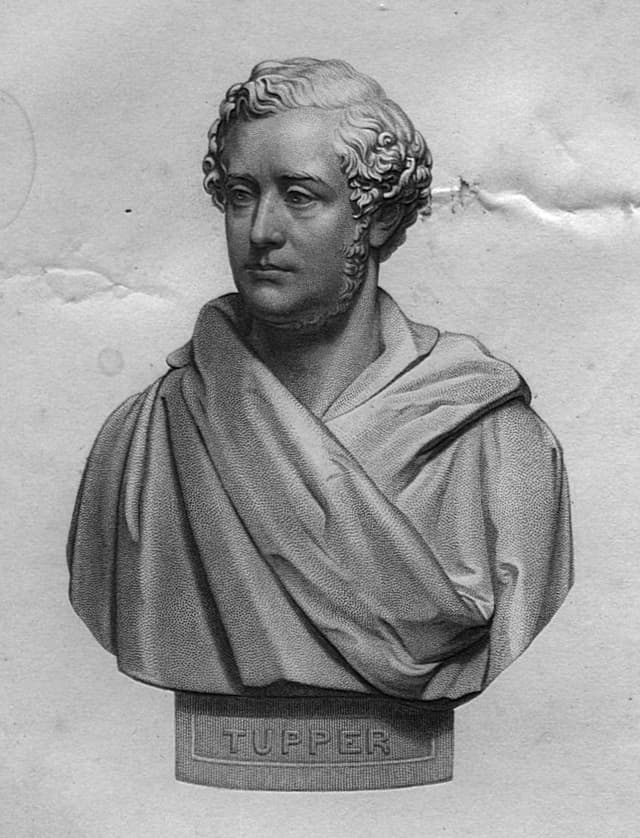
Martin Farquhar Tupper
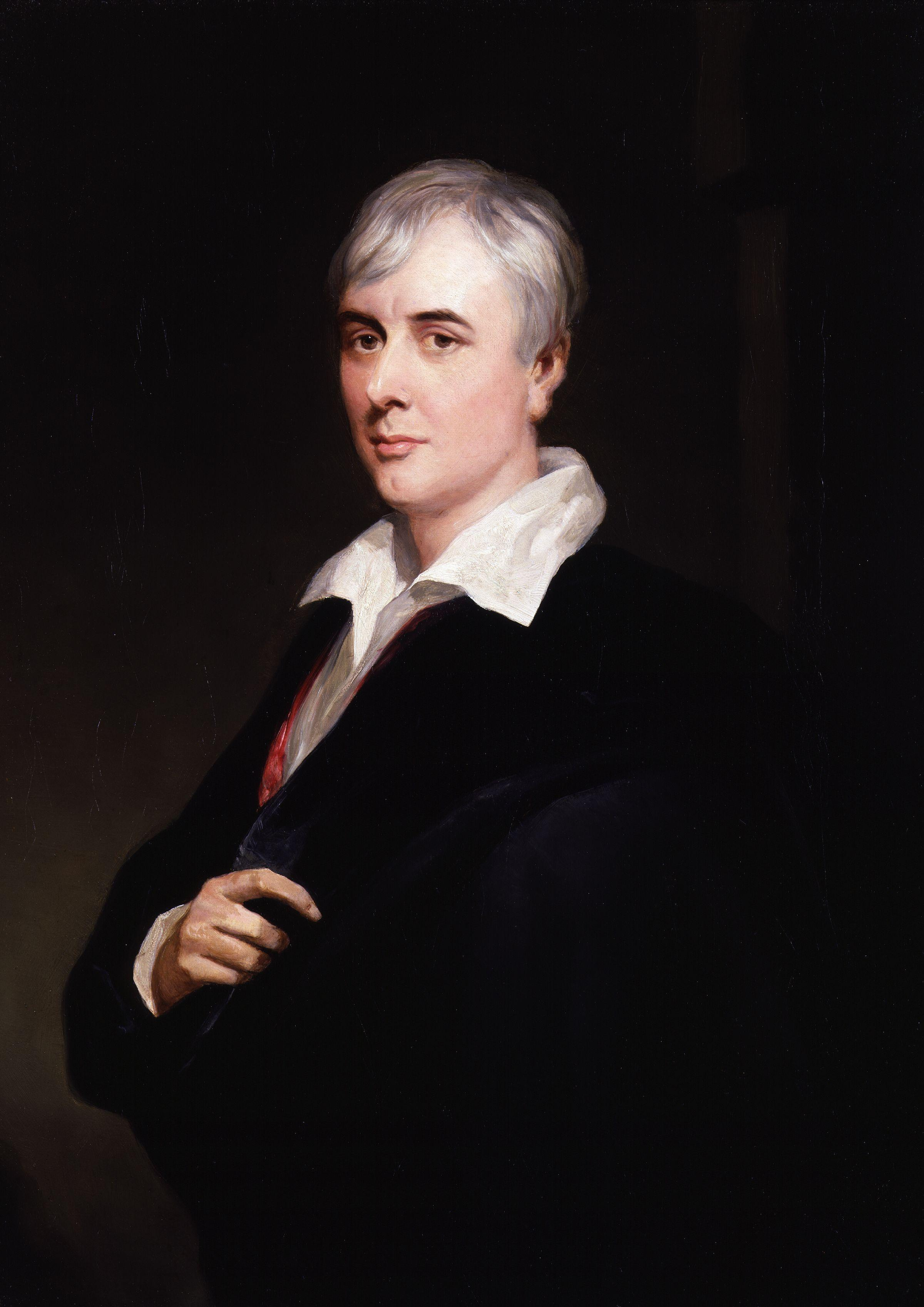
Martin Farquhar Tupper was an English poet and novelist renowned for his influential poetry collection, Proverbial Philosophy. First published in the 1830s, this work quickly became a bestseller in both the United Kingdom and North America, establishing Tupper as one of the most widely-read authors of his time. His success was bolstered by a second series of Proverbial Philosophy in 1842, and he enjoyed considerable popularity, even earning the admiration of Queen Victoria, which positioned him as a serious contender for the title of Poet Laureate. Tupper's unique style, which he termed 'rhythmics,' showcased a blend of moral aphorisms and poetic form, leaving a mark on contemporaries, including Walt Whitman, who drew inspiration from his experimental approach to verse. Despite his early acclaim, Tupper's literary legacy faced a decline as tastes shifted, and Proverbial Philosophy eventually fell out of favor. His extensive body of work, which included numerous editions and various formats, failed to replicate the success of his most famous collection. By the end of his life, Tupper had become largely obscure, and his contributions to literature were often subjected to satire and parody. While his works are now considered artifacts of their time and have largely faded from public consciousness, Tupper's initial impact on Victorian literature and his role in the evolution of poetic form remain noteworthy aspects of his legacy.
Famous Quotes
View all 3 quotes“Well-timed silence hath more eloquence than speech.”
“A good book is the best of friends, the same today and for ever.”
“Well timed silence has more eloquence than speech.”
Books from the author


Link to this page
Add a free, dofollow link to Lex on your blog, forum, syllabus, or reading list.

<a href="https://lex-books.com/author/martin-farquhar-tupper"><img src="https://lex-books.com/badges/read-on-lex.svg" alt="Martin Farquhar Tupper on Lex" width="160" height="40"></a>[](https://lex-books.com/author/martin-farquhar-tupper)[url=https://lex-books.com/author/martin-farquhar-tupper][img]https://lex-books.com/badges/read-on-lex.svg[/img][/url]Martin Farquhar Tupper on Lex: https://lex-books.com/author/martin-farquhar-tupper