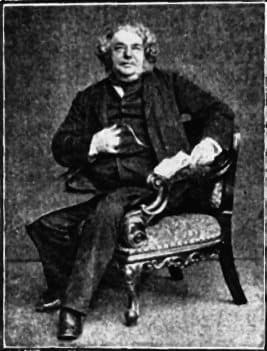
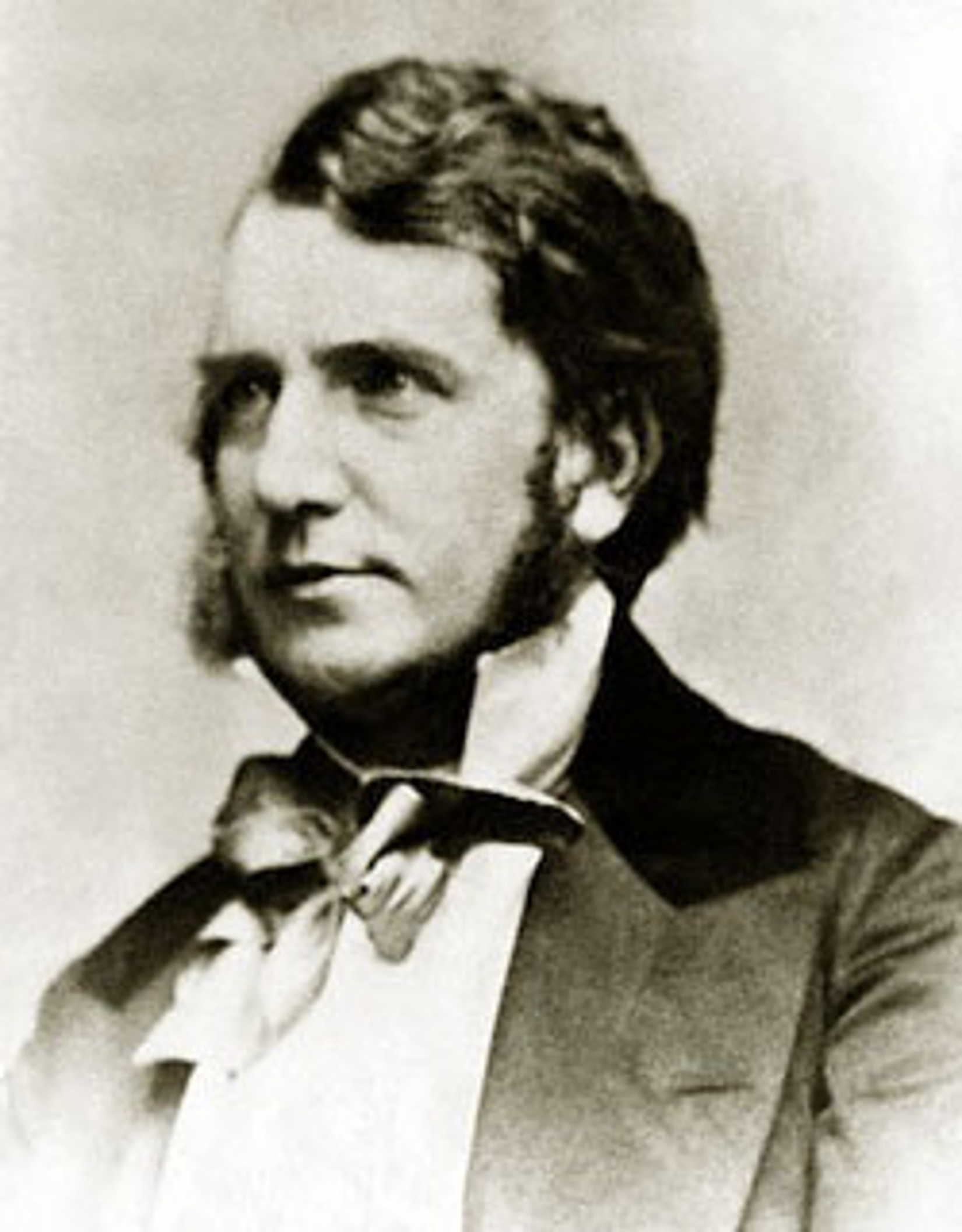
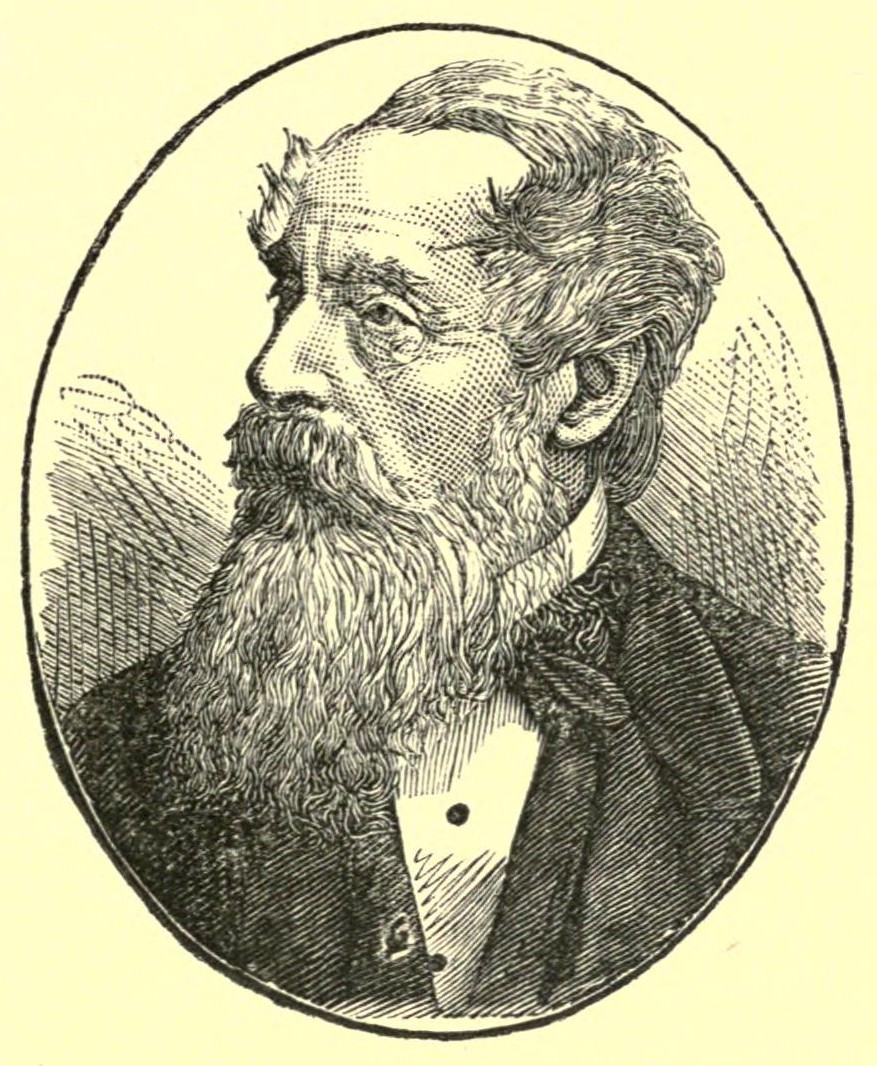
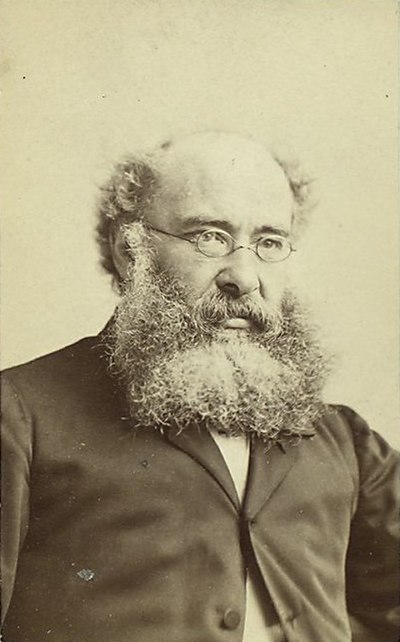
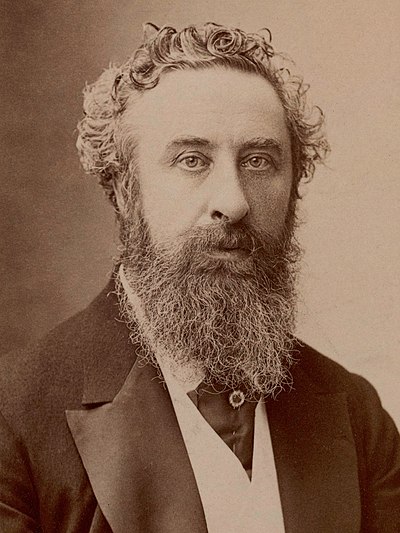
Mark Lemon
Mark Lemon was a prominent English editor and writer, best known as the founding editor of the influential satirical magazine Punch, which became a significant platform for political and social commentary in Victorian England. His tenure at Punch, which began in 1841, helped establish the magazine's reputation for wit and humor, making it a staple of British culture. In addition to his editorial work, Lemon contributed to the literary scene through his plays and verses, showcasing his versatility as a writer. He also served as the editor of The Field, a magazine focused on rural pursuits, which further demonstrated his engagement with various aspects of British life. Lemon's contributions to satire and journalism were notable for their blend of humor and critique, reflecting the societal issues of his time. His work at Punch not only entertained but also influenced public opinion, making him a key figure in the development of modern editorial practices. His legacy endures through the continued popularity of Punch and the impact it had on subsequent satirical publications, solidifying his place in the literary and cultural history of England.
Famous Quotes
View all 10 quotes“Intimacy, says the phenomenologist Gaston Bachelard, is the highest value. I resist this statement at first. What about artistic achievement, or moral courage, or heroism, or altruistic acts, or work in the cause of social change? What about wealth or accomplishment? And yet something about it rings true, finally”
“Here and gone. That’s what it is to be human, I think”
“Because this painting has never been restored there is a heightened poignance to it somehow; it doesn’t have the feeling of unassailable permanence that paintings in museums do.There is a small crack in the lower left, and a little of the priming between the wooden panel and the oil emulsions of paint has been bared. A bit of abrasion shows, at the rim of a bowl of berries, evidence of time’s power even over this”
Books from the author


Link to this page
Add a free, dofollow link to Lex on your blog, forum, syllabus, or reading list.

<a href="https://lex-books.com/author/mark-lemon"><img src="https://lex-books.com/badges/read-on-lex.svg" alt="Mark Lemon on Lex" width="160" height="40"></a>[](https://lex-books.com/author/mark-lemon)[url=https://lex-books.com/author/mark-lemon][img]https://lex-books.com/badges/read-on-lex.svg[/img][/url]Mark Lemon on Lex: https://lex-books.com/author/mark-lemon