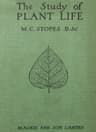
The Study of Plant Life
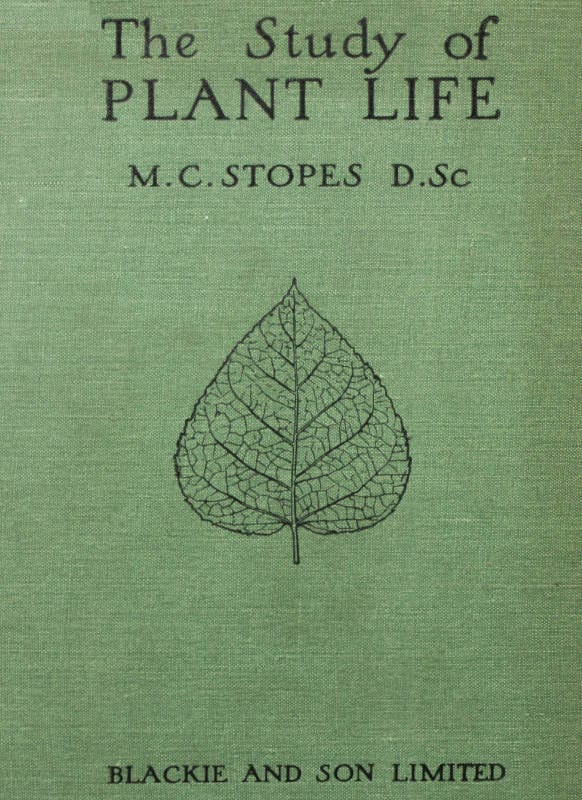
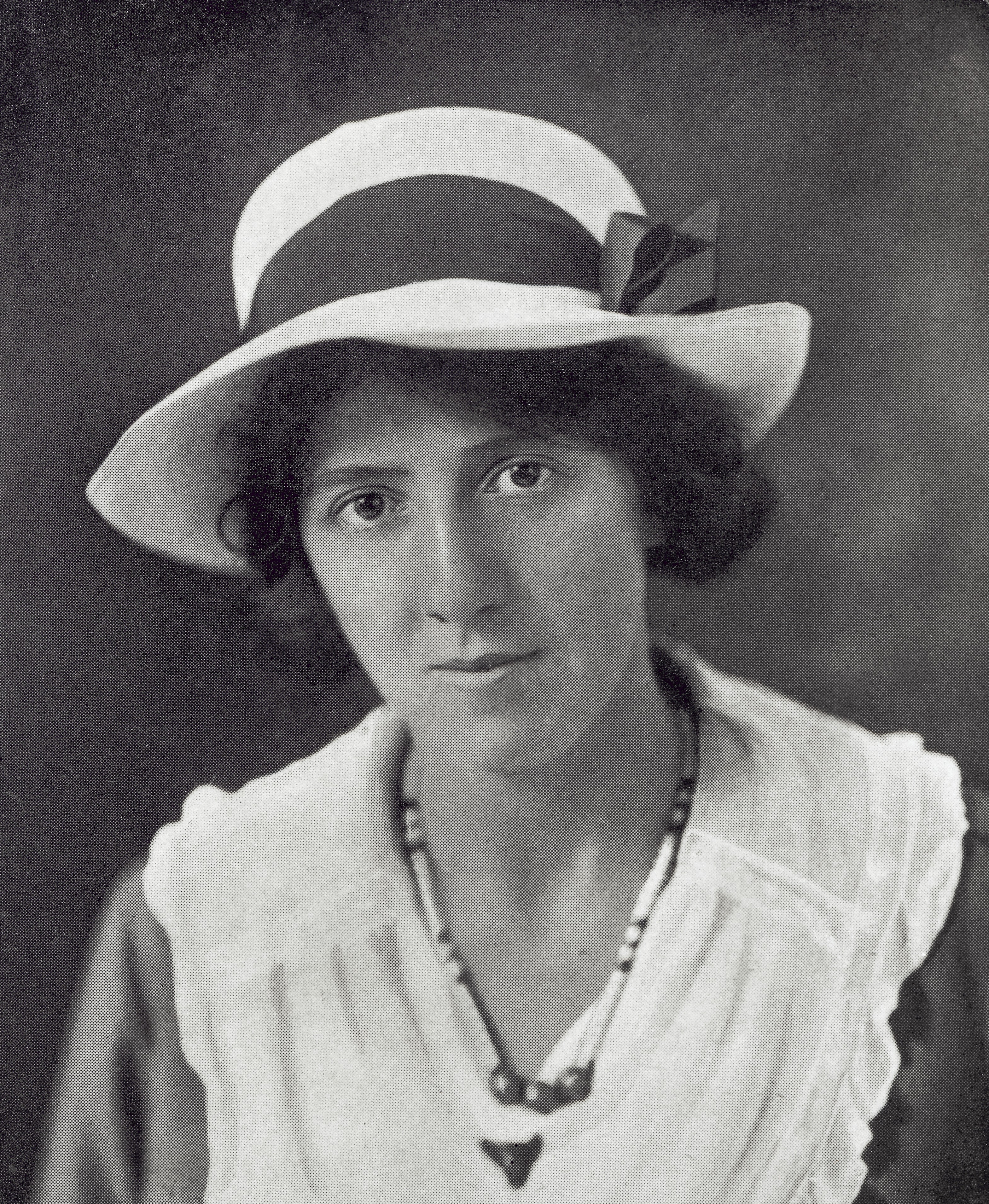
In 1910, one of Britain's first female scientists wrote a book that would change how children saw the green world around them. Marie Carmichael Stopes, a pioneering paleobotanist who would later revolutionize birth control advocacy, turned her scientific mind to the task of making botany feel miraculous. Rather than presenting plants as specimens to be catalogued, she revealed them as living, breathing organisms with their own dramas of survival, reproduction, and adaptation. The Study of Plant Life walks young readers through the mechanics of how plants breathe, feed, grow, and spread their seeds across the world. Stopes writes with the infectious wonder of someone who has looked through a microscope and cannot quite believe what she sees. This is science rendered as adventure, where understanding the cellular machinery of a leaf becomes as exciting as any voyage. A century later, the book still works its magic: it transforms the common dandelion into a wonder and makes the process of photosynthesis feel like a small daily miracle.
Editions
Link to this book
Add a free, dofollow link to Lex on your blog, forum, syllabus, or reading list.

<a href="https://lex-books.com/book/the-study-of-plant-life-26c0cef0-b2a1-440b-992c-b0eba31872ad"><img src="https://lex-books.com/badges/read-on-lex.svg" alt="Read The Study of Plant Life by Marie Carmichael Stopes free on Lex" width="160" height="40"></a>[](https://lex-books.com/book/the-study-of-plant-life-26c0cef0-b2a1-440b-992c-b0eba31872ad)[url=https://lex-books.com/book/the-study-of-plant-life-26c0cef0-b2a1-440b-992c-b0eba31872ad][img]https://lex-books.com/badges/read-on-lex.svg[/img][/url]Read The Study of Plant Life by Marie Carmichael Stopes free on Lex: https://lex-books.com/book/the-study-of-plant-life-26c0cef0-b2a1-440b-992c-b0eba31872adCite this book
Reading this edition for a paper or guide? Copy a citation.
Stopes, Marie Carmichael. The Study of Plant Life. Lex, lex-books.com/book/the-study-of-plant-life-26c0cef0-b2a1-440b-992c-b0eba31872ad.Stopes, M. C. (n.d.). The Study of Plant Life. Lex. https://lex-books.com/book/the-study-of-plant-life-26c0cef0-b2a1-440b-992c-b0eba31872adStopes, Marie Carmichael. The Study of Plant Life. Lex. https://lex-books.com/book/the-study-of-plant-life-26c0cef0-b2a1-440b-992c-b0eba31872ad.