Pedagogical Anthropology
1913
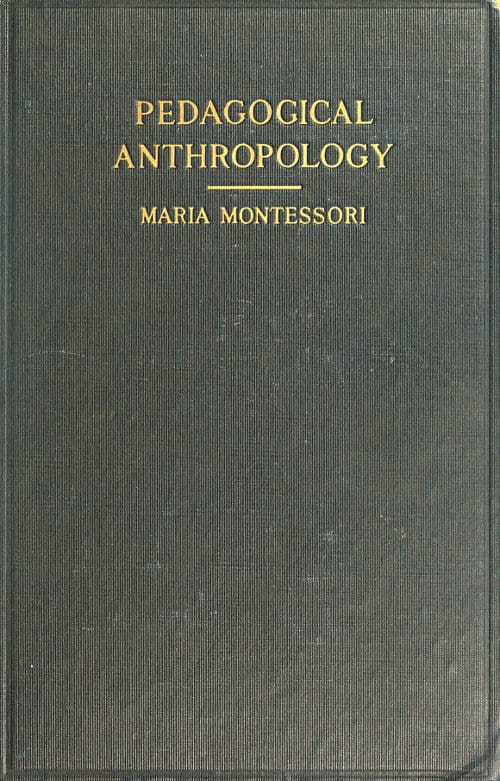
Pedagogical Anthropology
1913
Translated by Frederic Taber Cooper
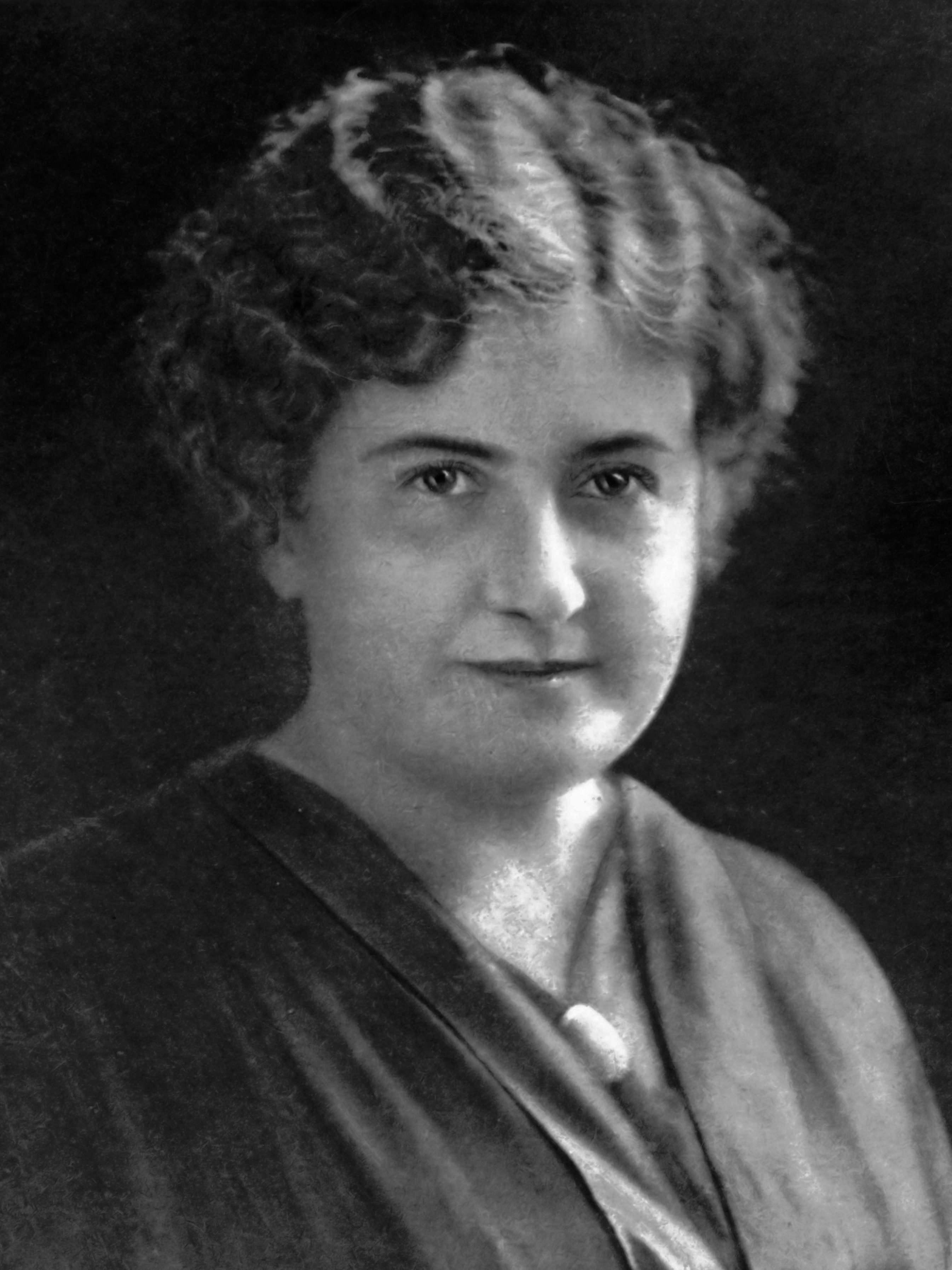
In 1913, Maria Montessori stood at University of Rome and delivered lectures that would fundamentally reorder how humanity thinks about children and learning. This book is the crystallization of that moment: a daring argument that education must stop relying on tradition and intuition and instead become a rigorous science rooted in the study of human development. Montessori proposes a new discipline, pedagogical anthropology, that applies anthropological methods to understand the developing child, examining physiology, psychology, and social nature not as abstract theories but as practical knowledge that should shape every classroom decision. She writes with conviction that education is not mere instruction but the foundation of moral and societal evolution. The text pulses with revolutionary certainty: if we truly understand how children grow, we cannot continue teaching them as we have. This is the theoretical spine of the Montessori method, the philosophical engine behind century-old classrooms that still prioritize the child over the curriculum. For educators, philosophers, and anyone curious about the roots of modern progressive education, this is where it all began.
Editions
Link to this book
Add a free, dofollow link to Lex on your blog, forum, syllabus, or reading list.

<a href="https://lex-books.com/book/pedagogical-anthropology-4c8ce61c-ae72-415e-9485-a4f52e62ca83"><img src="https://lex-books.com/badges/read-on-lex.svg" alt="Read Pedagogical Anthropology by Maria Montessori free on Lex" width="160" height="40"></a>[](https://lex-books.com/book/pedagogical-anthropology-4c8ce61c-ae72-415e-9485-a4f52e62ca83)[url=https://lex-books.com/book/pedagogical-anthropology-4c8ce61c-ae72-415e-9485-a4f52e62ca83][img]https://lex-books.com/badges/read-on-lex.svg[/img][/url]Read Pedagogical Anthropology by Maria Montessori free on Lex: https://lex-books.com/book/pedagogical-anthropology-4c8ce61c-ae72-415e-9485-a4f52e62ca83Cite this book
Reading this edition for a paper or guide? Copy a citation.
Montessori, Maria. Pedagogical Anthropology. Lex, lex-books.com/book/pedagogical-anthropology-4c8ce61c-ae72-415e-9485-a4f52e62ca83.Montessori, M. (1913). Pedagogical Anthropology. Lex. https://lex-books.com/book/pedagogical-anthropology-4c8ce61c-ae72-415e-9485-a4f52e62ca83Montessori, Maria. Pedagogical Anthropology. Lex. https://lex-books.com/book/pedagogical-anthropology-4c8ce61c-ae72-415e-9485-a4f52e62ca83.