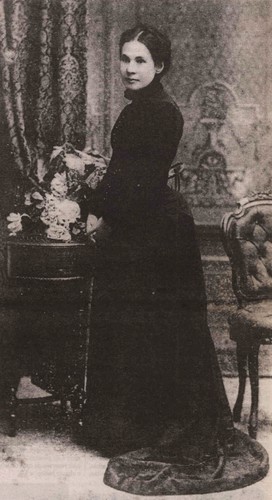
Maria Amalia Vaz de Carvalho
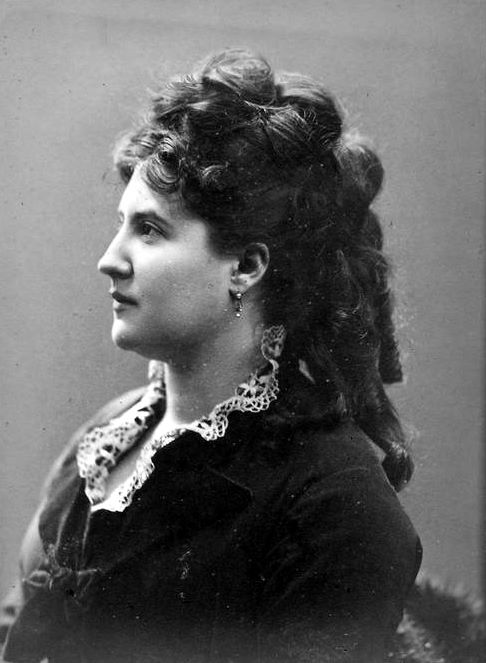
Maria Amália Vaz de Carvalho was a pioneering Portuguese writer and poet, recognized for her significant contributions to literature in the late 19th and early 20th centuries. Born in 1847, she broke barriers as the first woman to join the Portuguese Academy of Sciences, an achievement that underscored her commitment to advancing women's roles in academia and literature. Her works often explored themes of identity, social issues, and the complexities of the human experience, reflecting the cultural and political landscape of her time. Among her notable works are 'A Morte de D. João VI' and 'A Filha da Mãe', which showcase her literary prowess and her ability to engage with pressing societal themes. Vaz de Carvalho's legacy extends beyond her writings; she played a crucial role in the movement for women's rights in Portugal, inspiring future generations of female writers and intellectuals. Her contributions to literature and her advocacy for women's education and participation in the sciences mark her as a significant figure in Portuguese cultural history.
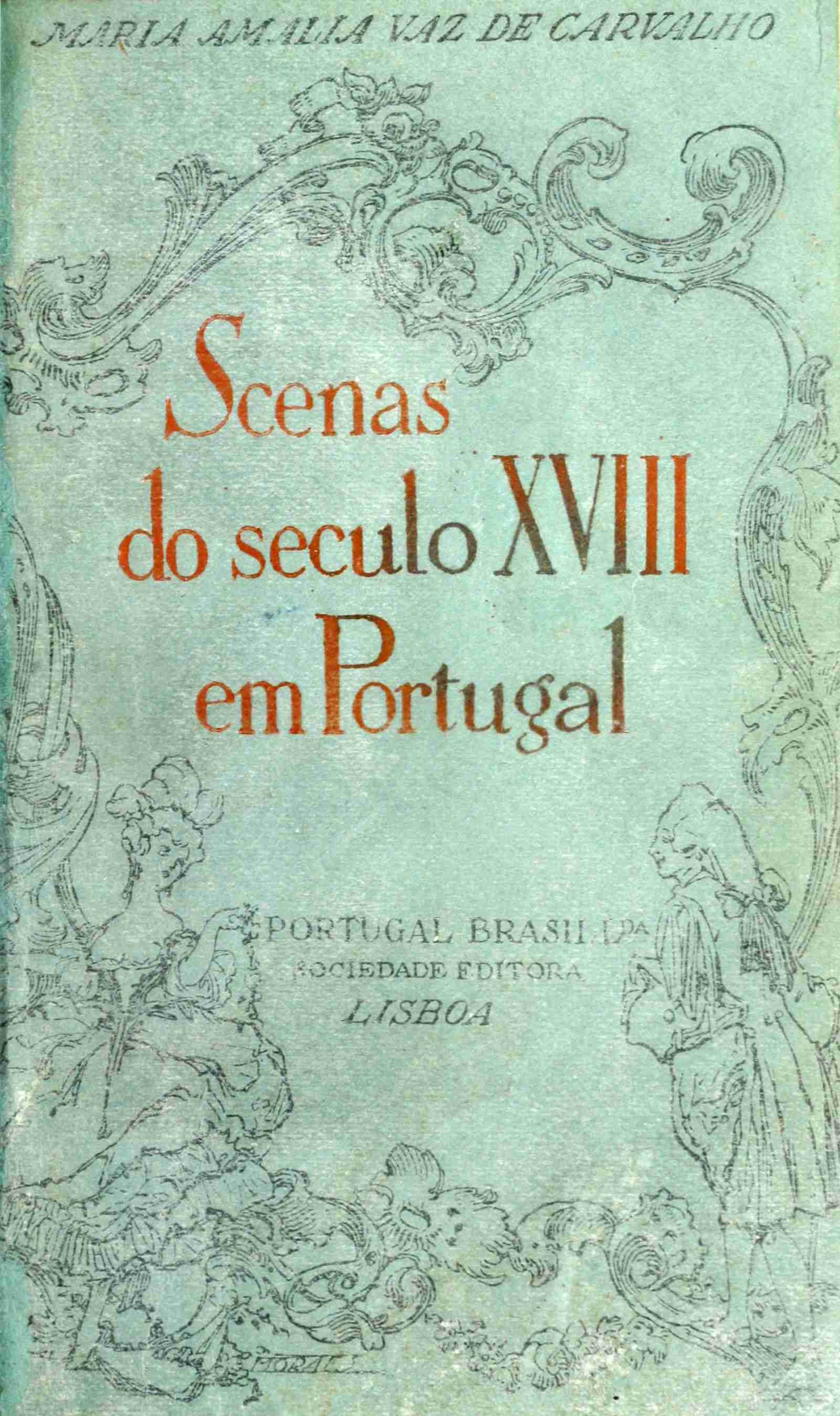
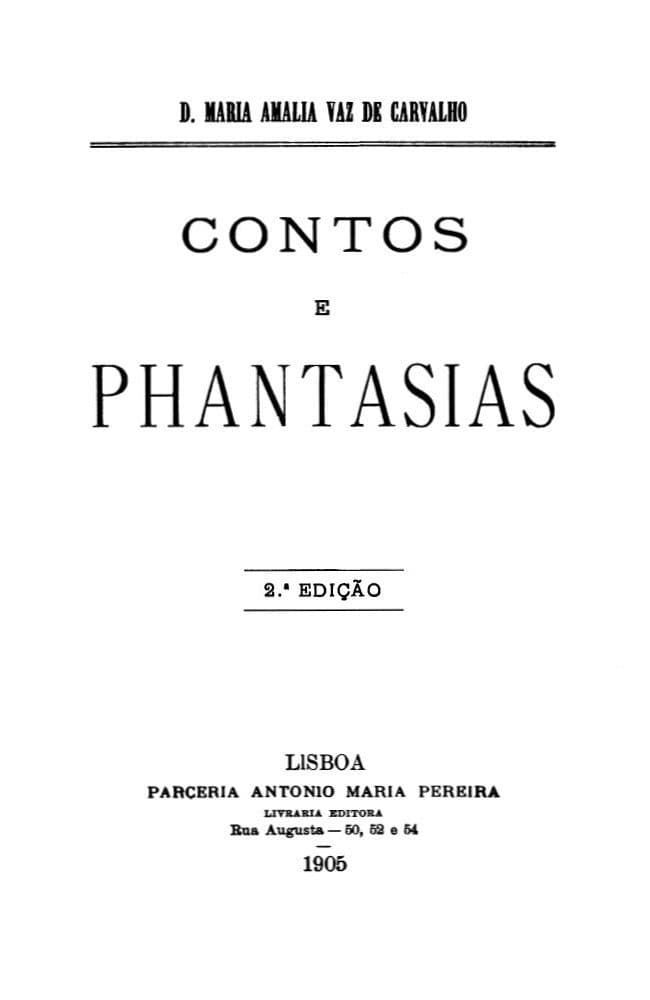
Books from the author



Link to this page
Add a free, dofollow link to Lex on your blog, forum, syllabus, or reading list.

<a href="https://lex-books.com/author/maria-amalia-vaz-de-carvalho"><img src="https://lex-books.com/badges/read-on-lex.svg" alt="Maria Amalia Vaz de Carvalho on Lex" width="160" height="40"></a>[](https://lex-books.com/author/maria-amalia-vaz-de-carvalho)[url=https://lex-books.com/author/maria-amalia-vaz-de-carvalho][img]https://lex-books.com/badges/read-on-lex.svg[/img][/url]Maria Amalia Vaz de Carvalho on Lex: https://lex-books.com/author/maria-amalia-vaz-de-carvalho