
Margaret Mead
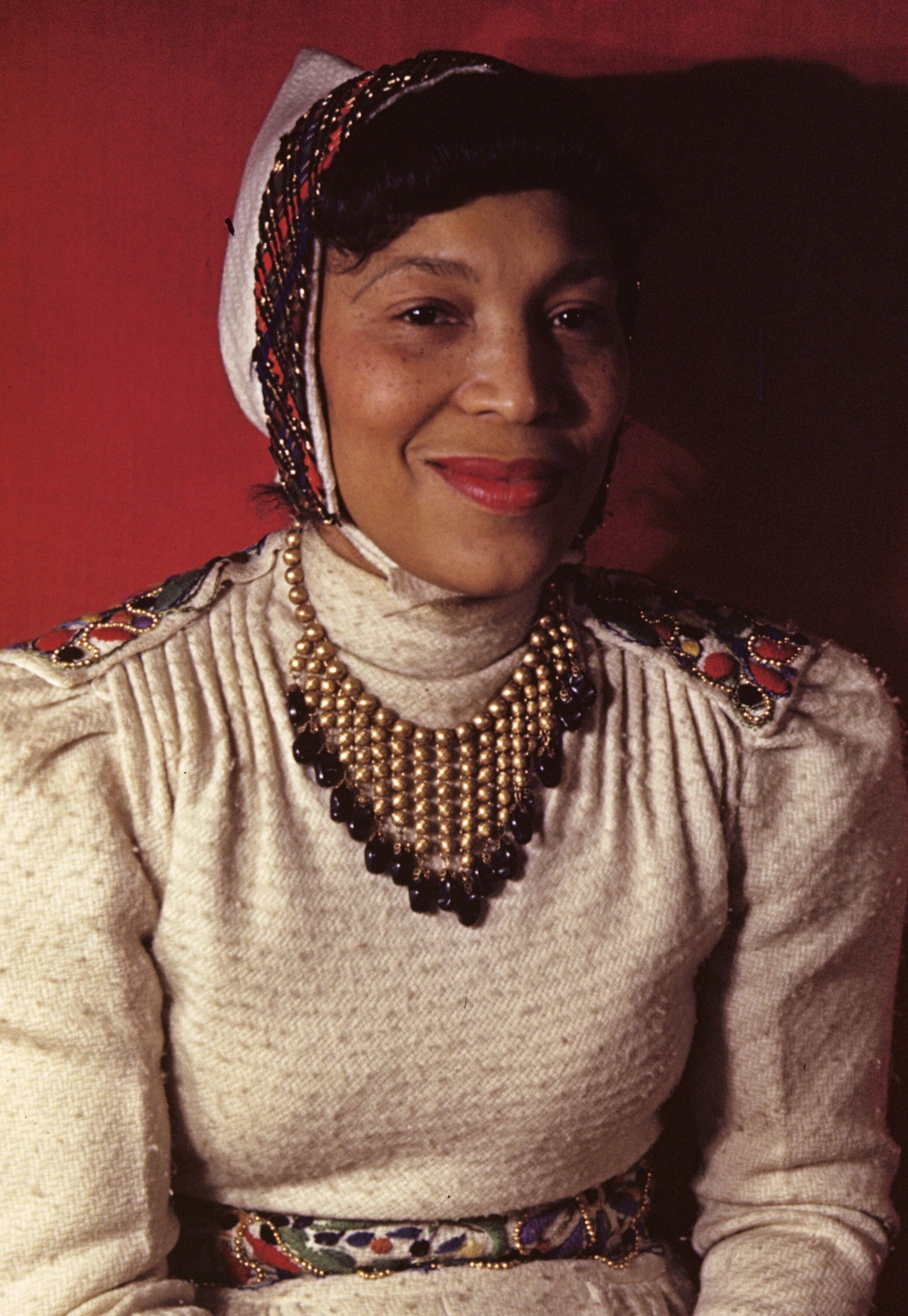
Margaret Mead was a pioneering American cultural anthropologist whose work significantly shaped the understanding of human behavior and culture in the 20th century. She earned her bachelor's degree from Barnard College and went on to complete her M.A. and Ph.D. at Columbia University. Mead served as the curator of ethnology at the American Museum of Natural History for over two decades, during which she became a prominent public intellectual and a frequent presence in the media. Her research focused on the cultural aspects of human sexuality, particularly in the South Pacific and Southeast Asia, where she conducted field studies that challenged Western norms and attitudes towards sex and gender roles. Mead's influential works, including "Coming of Age in Samoa" and "Sex and Temperament in Three Primitive Societies," not only provided insights into the diverse expressions of sexuality but also played a crucial role in the sexual revolution of the 1960s. Her advocacy for the acceptance of varied sexual conventions within Western culture often sparked controversy, yet it also opened up discussions about gender and sexuality that continue to resonate today. As president of the American Association for the Advancement of Science in 1975, Mead's legacy endures through her contributions to anthropology and her efforts to communicate complex cultural ideas to the broader public.
Famous Quotes
View all 3 quotes“Never doubt that a small group of thoughtful, committed, citizens can change the world. Indeed, it is the only thing that ever has.”
“Children must be taught how to think, not what to think.”
“I was wise enough never to grow up, while fooling people into believing I had.”
Books from the author




Link to this page
Add a free, dofollow link to Lex on your blog, forum, syllabus, or reading list.

<a href="https://lex-books.com/author/margaret-mead"><img src="https://lex-books.com/badges/read-on-lex.svg" alt="Margaret Mead on Lex" width="160" height="40"></a>[](https://lex-books.com/author/margaret-mead)[url=https://lex-books.com/author/margaret-mead][img]https://lex-books.com/badges/read-on-lex.svg[/img][/url]Margaret Mead on Lex: https://lex-books.com/author/margaret-mead