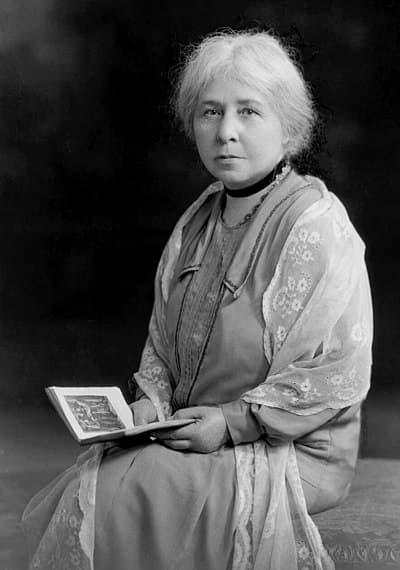
Margaret Alice Murray
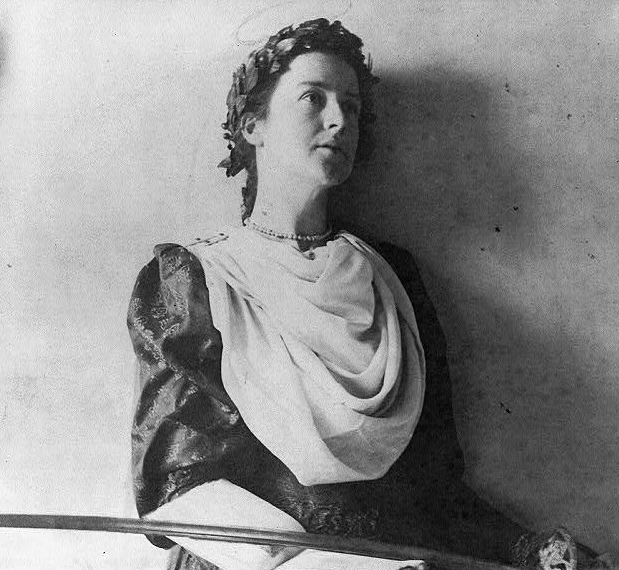
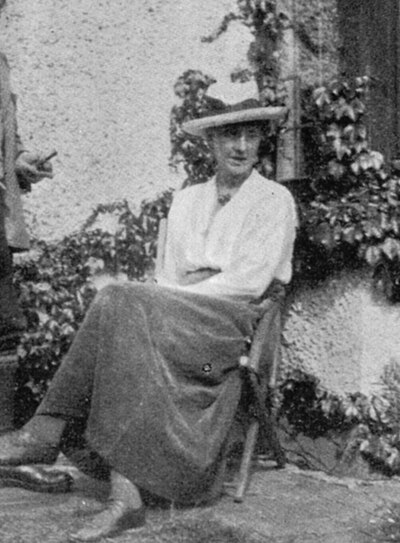
Margaret Alice Murray was a pioneering Anglo-Indian Egyptologist, archaeologist, and folklorist, recognized as the first woman to serve as a lecturer in archaeology in the United Kingdom. Born into a wealthy English family in Calcutta, she spent her formative years in India, Britain, and Germany, initially training as a nurse and social worker. Her academic journey began in earnest when she studied Egyptology at University College London (UCL) in 1894, where she developed a significant mentorship with Flinders Petrie. Murray's contributions to the field were substantial; she participated in notable excavations in Egypt, including the discovery of the Osireion temple at Abydos, and became the first woman to publicly unwrap a mummy in 1908, marking a significant moment in both archaeology and women's history. In addition to her archaeological work, Murray was deeply engaged in the feminist movement, advocating for women's rights and improving their status at UCL. Her research took a controversial turn with her witch-cult hypothesis, positing that the witch trials of Early Modern Europe were efforts to suppress a surviving pagan religion. Although this theory was later discredited, it played a crucial role in shaping the early Wicca movement. Throughout her career, she published extensively, making Egyptology accessible to the general public, and continued her scholarly pursuits even after her retirement from UCL in 1935. Murray's legacy endures through her contributions to archaeology, her role in advancing women's rights in academia, and her influence on the study of folklore and ancient religions.
Famous Quotes
View all 2 quotes“Faites connaître vos décisions, jamais vos raisons. Vos décisions peuvent être bonnes, vos raisons seront certainement mauvaises.”
“The Esbat differed from the Sabbat by being primarily for business...very often the Esbat was for sheer enjoyment only.”
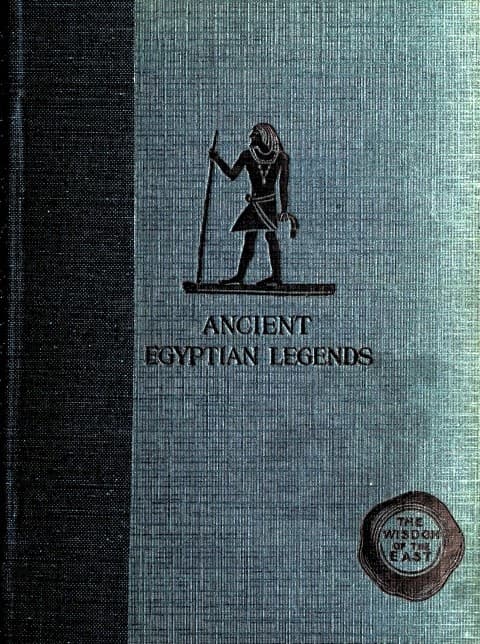
Books from the author

Link to this page
Add a free, dofollow link to Lex on your blog, forum, syllabus, or reading list.

<a href="https://lex-books.com/author/margaret-alice-murray"><img src="https://lex-books.com/badges/read-on-lex.svg" alt="Margaret Alice Murray on Lex" width="160" height="40"></a>[](https://lex-books.com/author/margaret-alice-murray)[url=https://lex-books.com/author/margaret-alice-murray][img]https://lex-books.com/badges/read-on-lex.svg[/img][/url]Margaret Alice Murray on Lex: https://lex-books.com/author/margaret-alice-murray