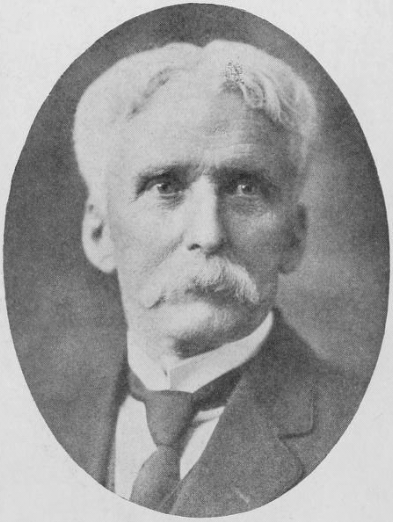
M. M. Pattison Muir
M. M. Pattison Muir was a Scottish chemist and author known for his contributions to the popularization of science in the late 19th and early 20th centuries. His works aimed to make complex scientific concepts accessible to a broader audience, reflecting his belief in the importance of education and public understanding of science. Muir's notable publications include 'The Story of Alchemy and the Beginnings of Chemistry,' which traces the historical development of chemistry from its mystical roots in alchemy to its establishment as a rigorous scientific discipline. This work not only provided insights into the evolution of chemical thought but also highlighted the key figures who shaped the field. In addition to his exploration of alchemy, Muir authored 'Heroes of Science: Chemists,' which celebrated the lives and achievements of prominent chemists, emphasizing their contributions to society and the advancement of scientific knowledge. Through his engaging narratives, Muir sought to inspire future generations of scientists and to foster a greater appreciation for the role of chemistry in everyday life. His legacy lies in his ability to bridge the gap between scientific inquiry and public interest, making him a significant figure in the history of science communication.
Famous Quotes
View all 4 quotes“Time also was said to be an accident: it "exists not by itself; but simply from the things which happen, the sense apprehends what has been done in time past, as well as what is present, and what is to follow after.””
“For thousands of years before men had any accurate and exact knowledge of the changes of material things, they had thought about these changes, regarded them as revelations of spiritual truths, built on them theories of things in heaven and earth (and a good many things in neither), and used them in manufactures, arts, and handicrafts, especially in one very curious manufacture wherein not the thousandth fragment of a grain of the finished article was ever produced.””
“The history of science may be described as the history of the attempts, and the failures, of men "to see things as they are." "Nothing is harder," said the Latin poet Lucretius, "than to separate manifest facts from doubtful, what straightway the mind adds on of itself." Observations””
Books from the author



Link to this page
Add a free, dofollow link to Lex on your blog, forum, syllabus, or reading list.

<a href="https://lex-books.com/author/m-m-pattison-muir"><img src="https://lex-books.com/badges/read-on-lex.svg" alt="M. M. Pattison Muir on Lex" width="160" height="40"></a>[](https://lex-books.com/author/m-m-pattison-muir)[url=https://lex-books.com/author/m-m-pattison-muir][img]https://lex-books.com/badges/read-on-lex.svg[/img][/url]M. M. Pattison Muir on Lex: https://lex-books.com/author/m-m-pattison-muir