
Ludwig Von Mises
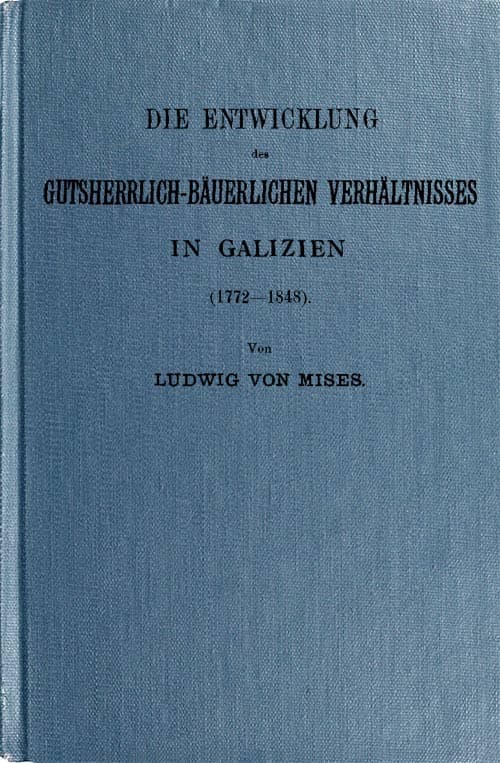
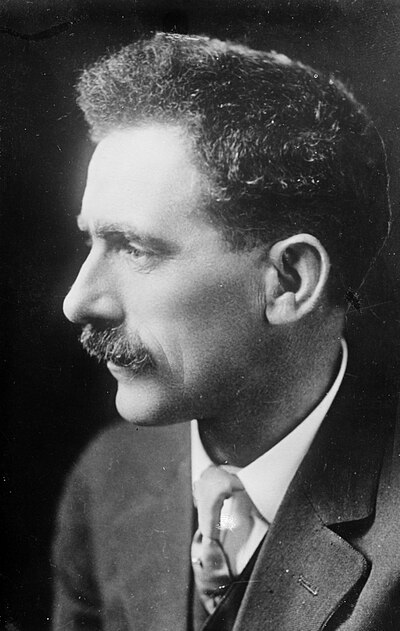
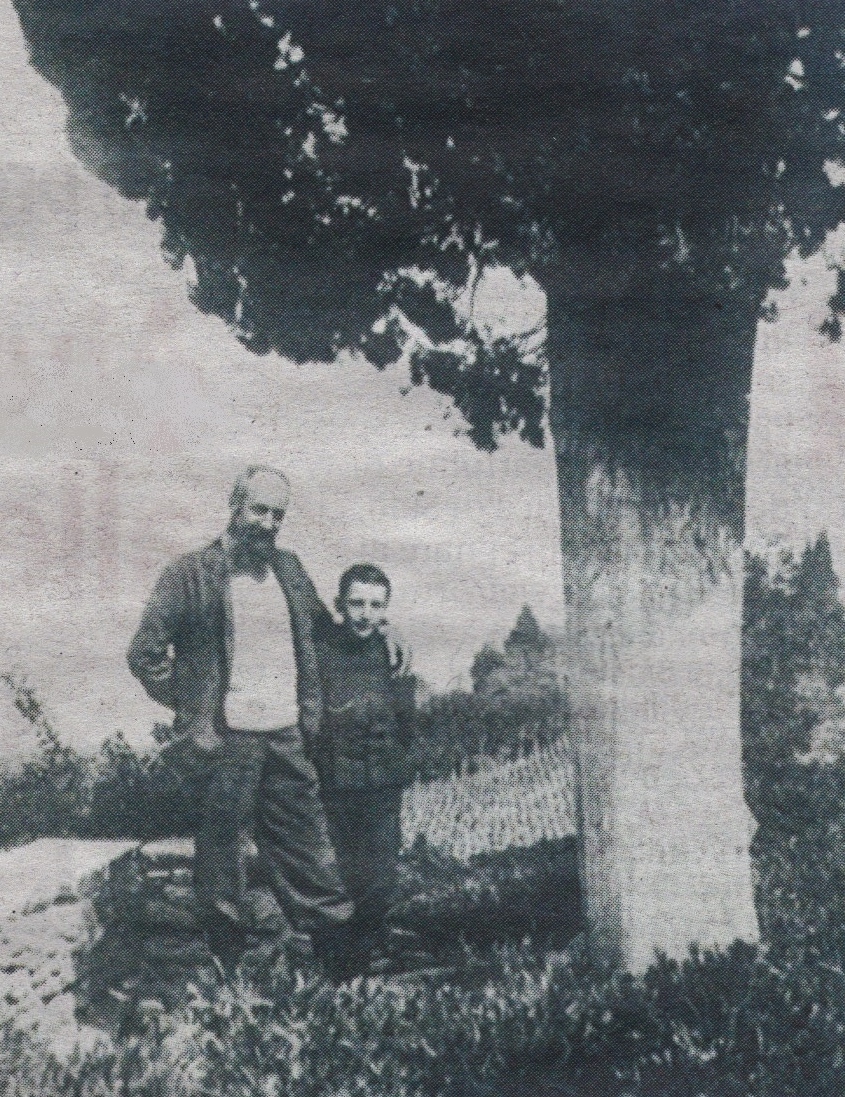
Ludwig von Mises was an influential Austrian and American political economist and philosopher associated with the Austrian school of economic thought. He made significant contributions to the understanding of classical liberalism and the importance of consumer behavior in market economies. Mises is best known for his work in praxeology, particularly his comparative studies of communism and capitalism, which highlighted the inefficiencies of centrally planned economies. His writings served as a robust defense of classical liberal principles during a time when authoritarianism was on the rise in Europe, particularly in the early to mid-20th century. In 1934, Mises fled Austria to escape the Nazis, eventually making his way to the United States after a perilous journey through Switzerland, France, Spain, and Portugal. His intellectual legacy has had a profound impact on both libertarian and classical liberal movements, as well as the broader field of economics. His works are often cited as foundational texts, with economist Tyler Cowen recognizing them as among the most important of the 20th century. Mises's ideas laid the groundwork for various schools of thought, including anarcho-capitalism and contemporary Austrian economics, influencing generations of economists and political theorists alike.
Famous Quotes
View all 3 quotes“Many who are self-taught far excel the doctors, masters, and bachelors of the most renowned universities.”
“All rational action is in the first place individual action. Only the individual thinks. Only the individual reasons. Only the individual acts.”
“Everyone carries a part of society on his shoulders; no one is relieved of his share of responsibility by others. And no one can find a safe way out for himself if society is sweeping toward destruction. Therefore, everyone, in his own interests, must thrust himself vigorously into the intellectual battle. None can stand aside with unconcern; the interest of everyone hangs on the result. Whether he chooses or not, every man is drawn into the great historical struggle, the decisive battle into which our epoch has plunged us.”
Books from the author




Link to this page
Add a free, dofollow link to Lex on your blog, forum, syllabus, or reading list.

<a href="https://lex-books.com/author/ludwig-von-mises"><img src="https://lex-books.com/badges/read-on-lex.svg" alt="Ludwig Von Mises on Lex" width="160" height="40"></a>[](https://lex-books.com/author/ludwig-von-mises)[url=https://lex-books.com/author/ludwig-von-mises][img]https://lex-books.com/badges/read-on-lex.svg[/img][/url]Ludwig Von Mises on Lex: https://lex-books.com/author/ludwig-von-mises