
Louis Hughes
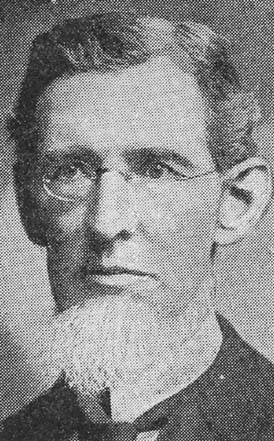
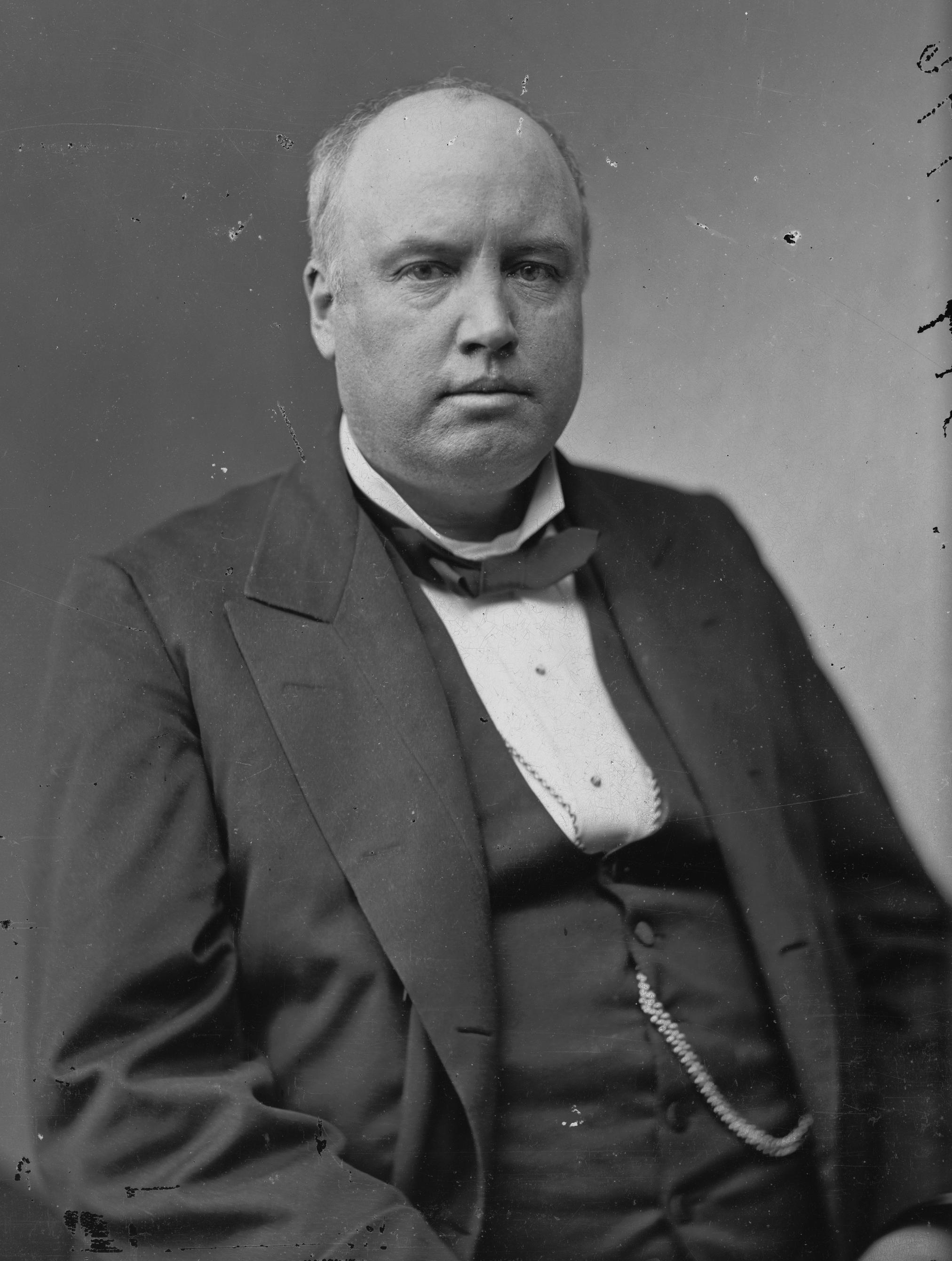
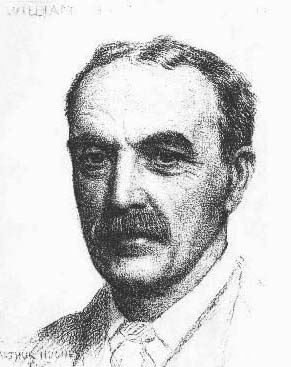
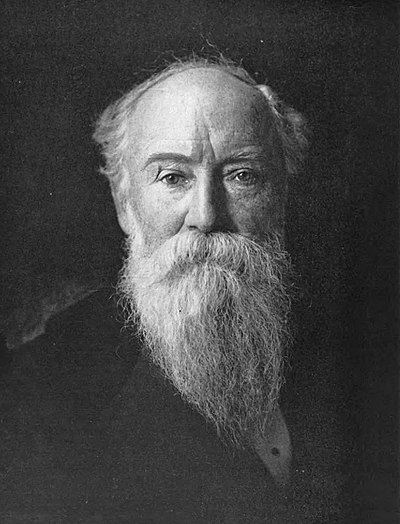
Louis Hughes was an African-American who endured the harrowing experience of slavery in Virginia before becoming a notable memoirist. Born into bondage, Hughes's life was marked by the struggles and injustices faced by enslaved individuals in the antebellum South. His firsthand account, 'Thirty Years a Slave,' published in 1897, provides a rare and poignant perspective on the realities of slavery, detailing not only the physical hardships but also the psychological toll it took on him and his fellow enslaved people. Hughes's narrative stands out for its candid portrayal of the brutality of slavery and the resilience of the human spirit. Hughes's work is significant not only for its historical context but also for its contribution to African-American literature. As one of the few slave narratives written by someone who lived through the experience, his memoir serves as an important document for understanding the complexities of slavery and its lasting impact on American society. Through his writing, Hughes sought to shed light on the injustices of his time, making his voice a crucial part of the dialogue about race and freedom in the United States. His legacy endures as a testament to the strength of those who suffered under slavery and the importance of their stories in the broader narrative of American history.
Famous Quotes
View all 5 quotes“Kahn once said, “The creation of art is not the fulfillment of a need but the creation of a need. The world never needed Beethoven’s Fifth Symphony until he created it. Now we could not live without it.””
“Joe has sense enough to knowHe is a god.So many gods don't know.””
“I swear by the mass I believe Hugh Ferryman took you for a maid.””
Books from the author









Link to this page
Add a free, dofollow link to Lex on your blog, forum, syllabus, or reading list.

<a href="https://lex-books.com/author/louis-hughes"><img src="https://lex-books.com/badges/read-on-lex.svg" alt="Louis Hughes on Lex" width="160" height="40"></a>[](https://lex-books.com/author/louis-hughes)[url=https://lex-books.com/author/louis-hughes][img]https://lex-books.com/badges/read-on-lex.svg[/img][/url]Louis Hughes on Lex: https://lex-books.com/author/louis-hughes