
Lou Andreas-Salomé
Lou Andreas-Salomé was a pioneering Russian-born writer, intellectual, and psychoanalyst who became a prominent figure in the European literary and philosophical circles of the late 19th and early 20th centuries. Known for her sharp intellect and unconventional views, she was a muse and confidante to several influential thinkers, including Friedrich Nietzsche and Sigmund Freud. Her early life was marked by a progressive education, which allowed her to cultivate a deep interest in philosophy, literature, and psychology, ultimately leading her to challenge the traditional roles assigned to women in her time. Andreas-Salomé's literary contributions include novels, essays, and autobiographical works that explore themes of love, sexuality, and the complexities of human relationships. Her notable works, such as "Fenitschka" and "The Letters of Lou Andreas-Salomé to Rainer Maria Rilke," showcase her literary prowess and her ability to navigate the intricacies of emotional and intellectual life. As one of the first women to gain recognition in the male-dominated fields of philosophy and psychoanalysis, she played a significant role in shaping modern thought, particularly in her explorations of female identity and desire. Her legacy endures through her writings and the influence she had on her contemporaries, as well as the generations of women who followed her path in literature and psychology.
Famous Quotes
View all 16 quotes“If you have no more happiness to give:Give me your pain.””
“Whoever reaches into a rosebush may seize a handful of flowers; but no matter how many one holds, it's only a small portion of the whole. Nevertheless, a handful is enough to experience the nature of the flowers. Only if we refuse to reach into the bush, because we can't possibly seize all the flowers at once, or if we spread out our handful of roses as if it were the whole of the bush itself -- only then does it bloom apart from us, unknown to us, and we are left alone.””
“What does not engage our feelings does not long engage our thoughts either.””
Books from the author
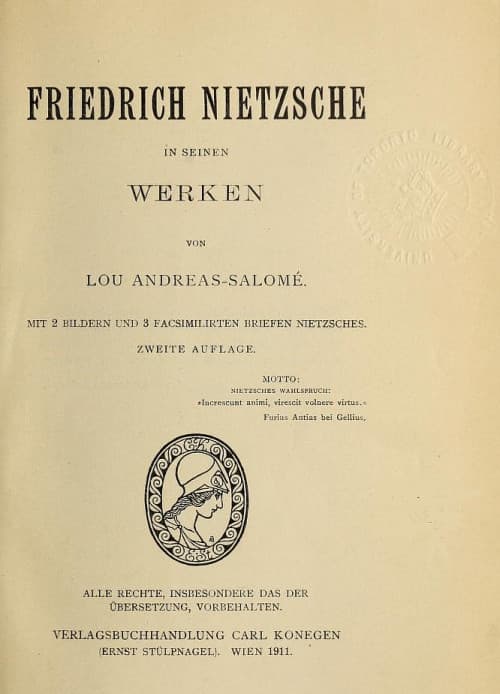
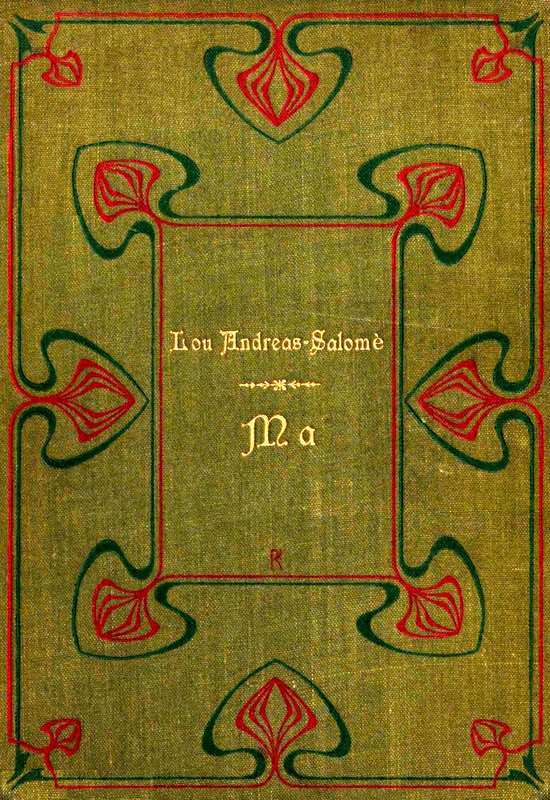
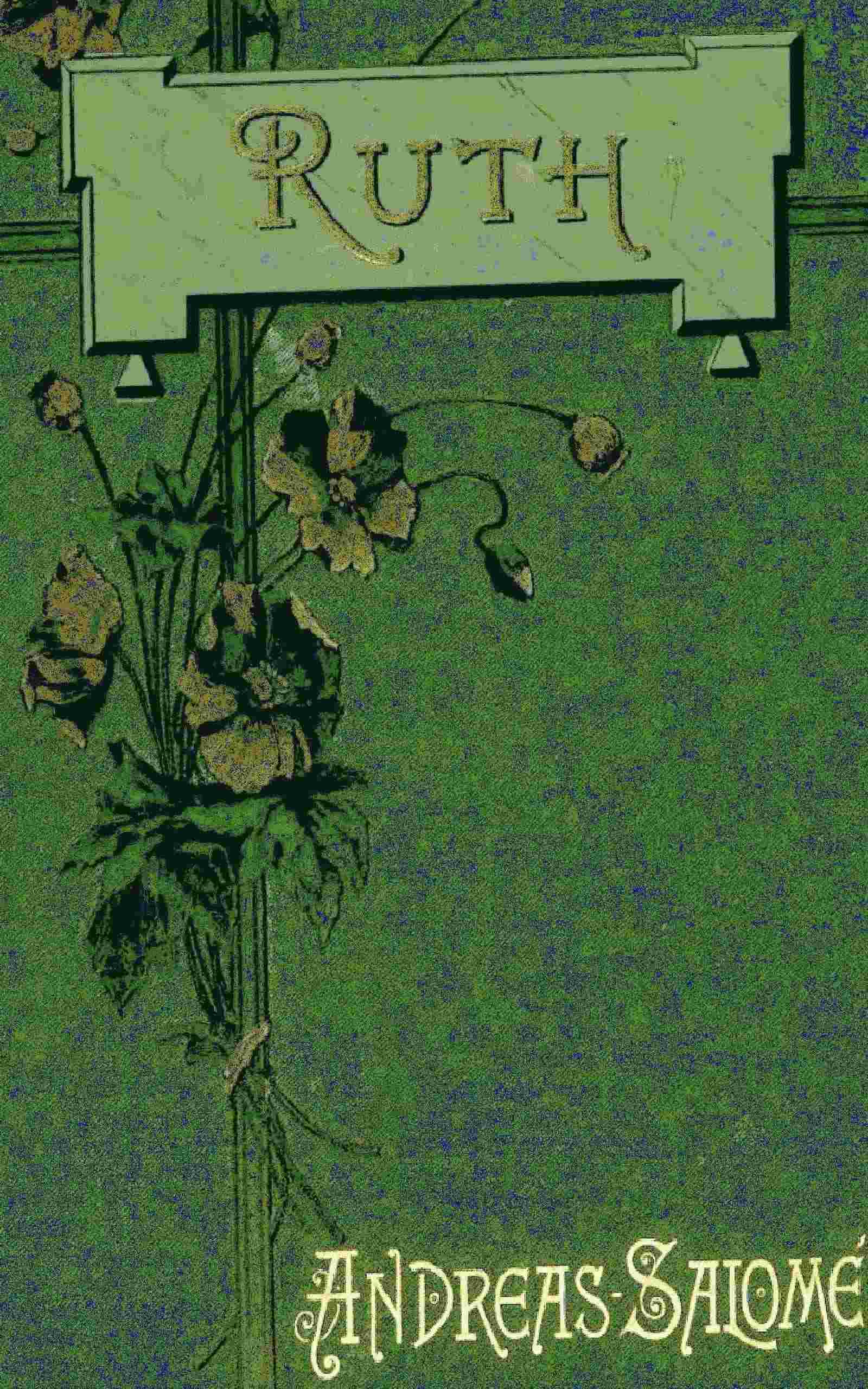


Link to this page
Add a free, dofollow link to Lex on your blog, forum, syllabus, or reading list.

<a href="https://lex-books.com/author/lou-andreas-salomé"><img src="https://lex-books.com/badges/read-on-lex.svg" alt="Lou Andreas-Salomé on Lex" width="160" height="40"></a>[](https://lex-books.com/author/lou-andreas-salomé)[url=https://lex-books.com/author/lou-andreas-salomé][img]https://lex-books.com/badges/read-on-lex.svg[/img][/url]Lou Andreas-Salomé on Lex: https://lex-books.com/author/lou-andreas-salomé