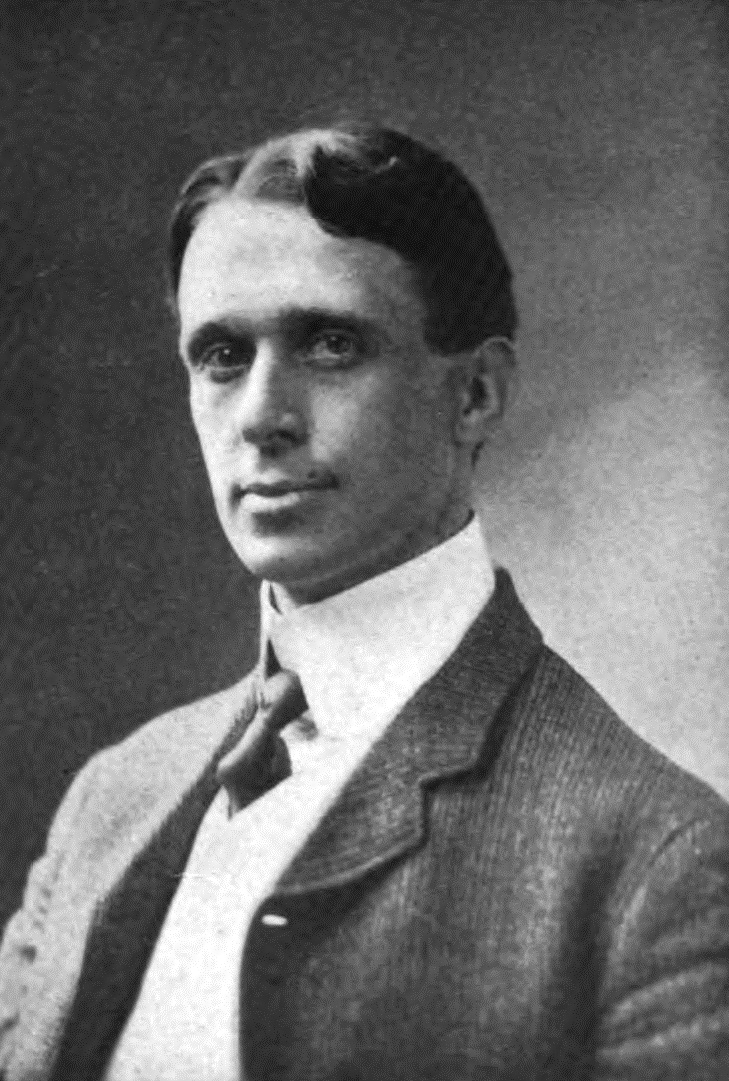
Lewis Sperry Chafer
Lewis Sperry Chafer was an influential American theologian known for his significant contributions to Christian Dispensationalism in the early 20th century. He co-founded Dallas Theological Seminary alongside his brother, Rollin Thomas Chafer, and served as its first president, establishing a legacy of theological education that emphasized a literal interpretation of the Bible and the importance of dispensational theology. Chafer's teachings and writings played a crucial role in shaping modern evangelical thought, particularly through his emphasis on the distinction between Israel and the Church and the pre-tribulation rapture of the Church, concepts that have become foundational in many evangelical circles. Chafer authored several notable works, including "Systematic Theology," which remains a key text in evangelical seminaries. His approach to theology combined rigorous scholarship with a pastoral heart, earning him respect among students and peers alike. Described as a visionary Bible teacher and a man of prayer, Chafer's influence extended beyond the classroom, impacting generations of theologians and ministers. His legacy continues through the ongoing work of Dallas Theological Seminary and the widespread adoption of his theological perspectives within evangelicalism.
Famous Quotes
View all 3 quotes“His leading is only for those who are already committed to do as He may choose. To such it may be said: "God is able to speak loud enough to make a willing soul hear.”
“The lost are never saved by confessing and the saved are never restored by believing.”
“There must be a great national heart-turning, or repentance to God as an immediate preparation for the kingdom as seen in the Old Testament (Deut. 30:1-3; Isa. 24:7; Hos. 3:4, 5; 14:7; Zech. 12:10-13:1; Mal. 3:7). Repentance, therefore, became an imperative part of the message concerning the imminency of the kingdom.”
Audiobooks from the author










Link to this page
Add a free, dofollow link to Lex on your blog, forum, syllabus, or reading list.

<a href="https://lex-books.com/author/lewis-sperry-chafer"><img src="https://lex-books.com/badges/read-on-lex.svg" alt="Lewis Sperry Chafer on Lex" width="160" height="40"></a>[](https://lex-books.com/author/lewis-sperry-chafer)[url=https://lex-books.com/author/lewis-sperry-chafer][img]https://lex-books.com/badges/read-on-lex.svg[/img][/url]Lewis Sperry Chafer on Lex: https://lex-books.com/author/lewis-sperry-chafer