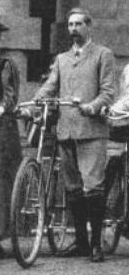
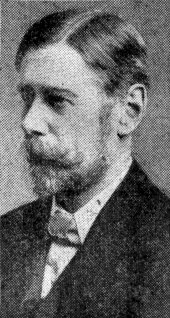
Leonard Huxley
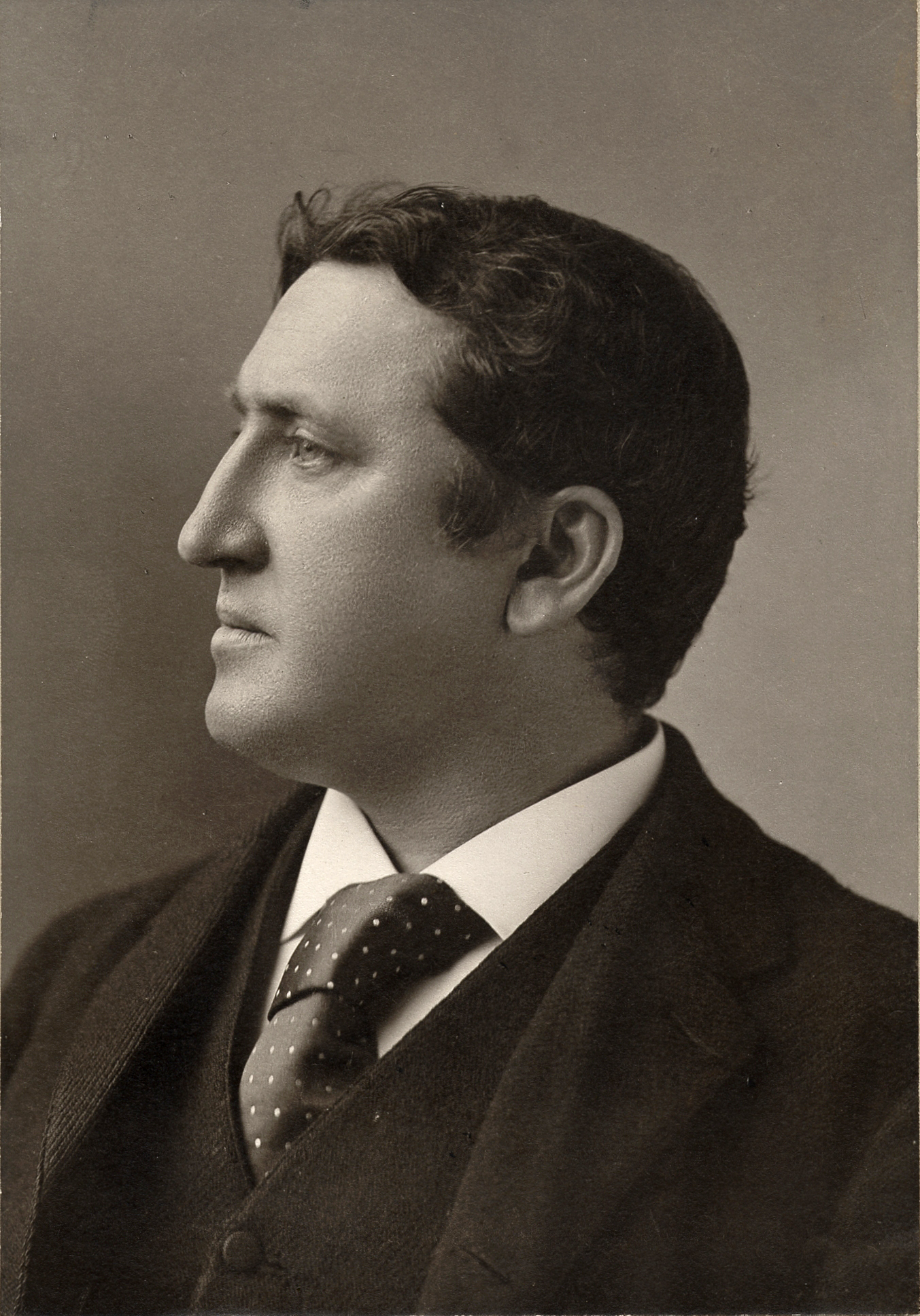
Leonard Huxley was an English author and biographer, recognized for his contributions to literature and science during the late 19th and early 20th centuries. He was the son of the prominent biologist Thomas Henry Huxley, which placed him in a unique position to explore the intersections of science and literature. Leonard's works often reflected his deep engagement with scientific thought and exploration, as seen in his notable biography, 'Thomas Henry Huxley: A Character Sketch,' where he provided an intimate portrait of his father's life and legacy, emphasizing the impact of his scientific endeavors on society and education. In addition to his biographical work, Leonard Huxley played a significant role in chronicling the expeditions of his contemporaries, most notably through his editing of 'Journals of Robert Falcon Scott; Vol 1 of 'Scott's Last Expedition.' This work not only preserved the experiences of Scott and his team during their ill-fated journey to Antarctica but also highlighted the themes of bravery, exploration, and the human spirit in the face of adversity. Through his writings, Leonard Huxley contributed to the understanding of both scientific exploration and the personal narratives that accompany such monumental undertakings, leaving a lasting impact on the literary landscape of his time.
Famous Quotes
View all 19 quotes“The great tragedy of science”
“What's the point of truth or beauty or knowledge when anthrax bombs are popping all around you?””
“What a gulf between impression and expression! That’s our ironic fate”
Books from the author








Link to this page
Add a free, dofollow link to Lex on your blog, forum, syllabus, or reading list.

<a href="https://lex-books.com/author/leonard-huxley"><img src="https://lex-books.com/badges/read-on-lex.svg" alt="Leonard Huxley on Lex" width="160" height="40"></a>[](https://lex-books.com/author/leonard-huxley)[url=https://lex-books.com/author/leonard-huxley][img]https://lex-books.com/badges/read-on-lex.svg[/img][/url]Leonard Huxley on Lex: https://lex-books.com/author/leonard-huxley