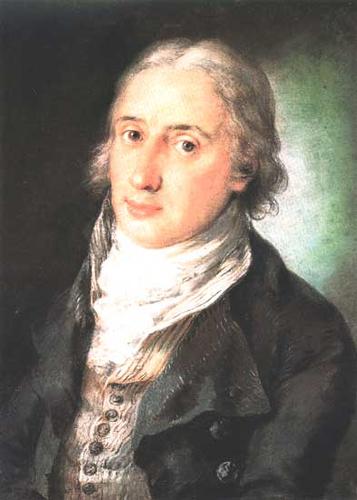
Leandro Fernández de Moratín
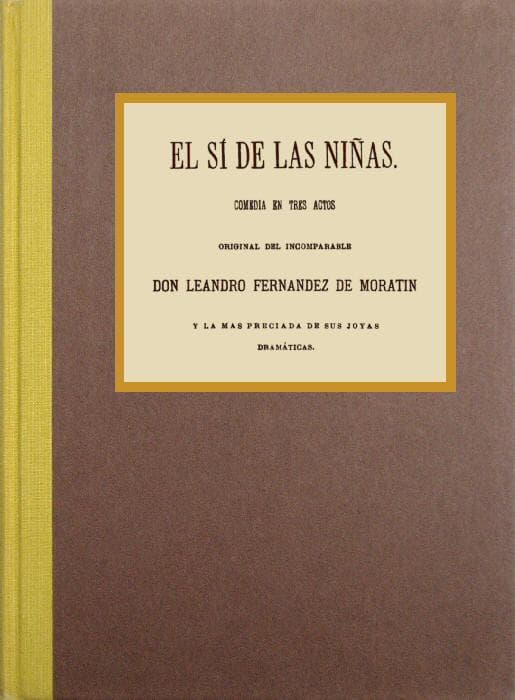
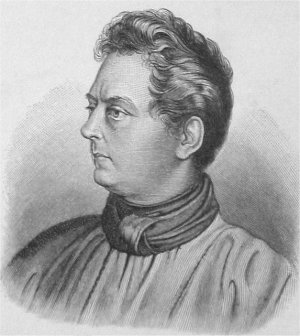
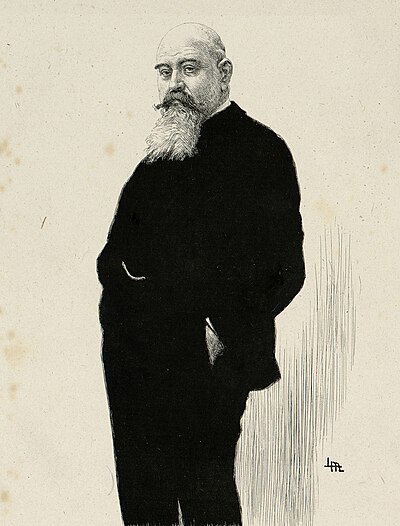
Leandro Fernández de Moratín was a prominent Spanish playwright and poet, recognized for his significant contributions to Spanish literature during the late 18th and early 19th centuries. Born in Madrid, Moratín was deeply influenced by the Enlightenment, which shaped his views on society and morality. He is best known for his comedies, particularly 'El sí de las niñas' (The Yes of the Girls), which critiques the traditional roles of women and the institution of marriage. His works often blended humor with social commentary, making him a key figure in the transition from neoclassicism to romanticism in Spain. Moratín's literary significance extends beyond his plays; he was also an advocate for the reform of Spanish theater, promoting a more realistic style that reflected contemporary life. His influence can be seen in the works of later Spanish dramatists, and he is often credited with paving the way for modern Spanish theater. Despite facing criticism and censorship during his lifetime, Moratín's legacy endures, as his works continue to be studied and performed, highlighting the social issues of his time and the evolution of Spanish literature.
Famous Quotes
View all 16 quotes“RITA: ¡Qué bobería! Desengáñese usted, señorita. Con los hombres y las mujeres sucede lo mismo que con los melones de Añover. Hay de todo; la dificultad está en saber escogerlos. El que se lleve chasco en la elección, quéjese de su mala suerte, pero no desacredite la mercancía...””
“Acostumbrados a no discurrir, a no sentir nuestros abuelos por sí mismos, no permitían discurrir ni sentir a sus hijos.””
“Y antes perderé la vida que renunciar al lugar que tengo en ese corazón... Todo él es mio...””
Books from the author




Link to this page
Add a free, dofollow link to Lex on your blog, forum, syllabus, or reading list.

<a href="https://lex-books.com/author/leandro-fernández-de-moratín"><img src="https://lex-books.com/badges/read-on-lex.svg" alt="Leandro Fernández de Moratín on Lex" width="160" height="40"></a>[](https://lex-books.com/author/leandro-fernández-de-moratín)[url=https://lex-books.com/author/leandro-fernández-de-moratín][img]https://lex-books.com/badges/read-on-lex.svg[/img][/url]Leandro Fernández de Moratín on Lex: https://lex-books.com/author/leandro-fernández-de-moratín