El Sí De Las Niñas
1801
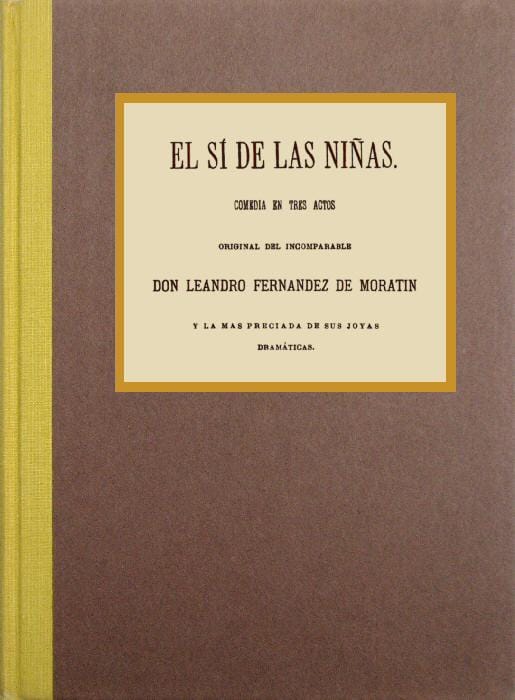
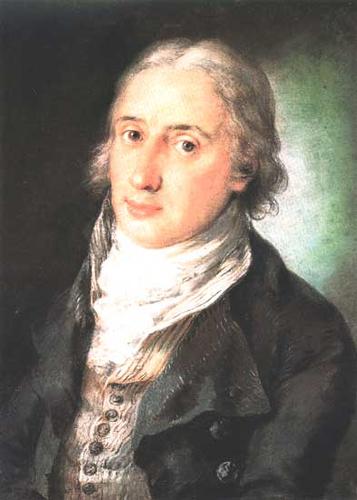
This 1806 Spanish comedy caused a scandal. A respectable older gentleman wants to marry a teenager. She loves his nephew. Her mother is busy calculating the dowry. At an inn in Alcalá de Henares, Leandro Fernández de Moratín dissects the machinery of arranged marriage with surgical precision and wicked humor. Don Diego has rescued the young Doña Francisca from a convent and now demands her gratitude in the form of marriage. But Paquita's heart belongs to Don Carlos, the nephew. What follows is a comedy of manners where everyone speaks of honor while negotiating dowries, where parents decide futures, and where the girl's own feelings remain the last consideration. Moratín's radical innovation was using prose instead of verse, lending the dialogue a naturalism that felt revolutionary. The play argues, with sparkling wit, that consent means nothing if the one consenting has no real choice. The work endures not as a dusty artifact but as a sharp critique that still resonates. For anyone who believes arranged marriages are merely historical footnotes, Moratín offers a uncomfortable mirror.
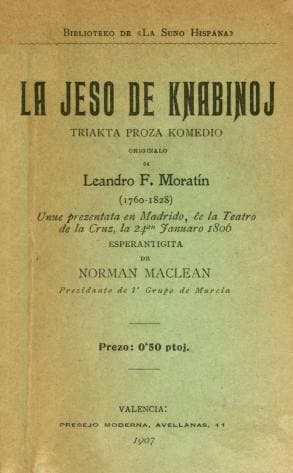
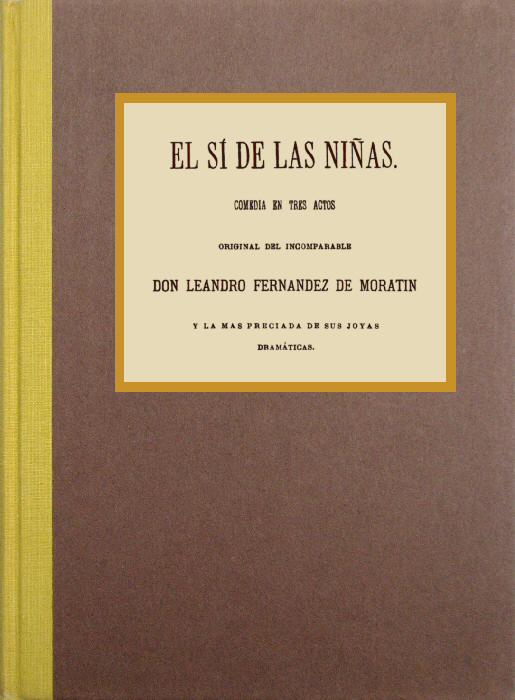
Editions
X-Ray
“Acostumbrados a no discurrir, a no sentir nuestros abuelos por sí mismos, no permitían discurrir ni sentir a sus hijos.””
— Leandro Fernández de Moratín
“RITA: ¡Qué bobería! Desengáñese usted, señorita. Con los hombres y las mujeres sucede lo mismo que con los melones de Añover. Hay de todo; la dificultad está en saber escogerlos. El que se lleve chasco en la elección, quéjese de su mala suerte, pero no desacredite la mercancía...””
— Leandro Fernández de Moratín
“Vamos, que no siempre nuestras desgracias son tan grandes como la imaginación las pinta...””
— Leandro Fernández de Moratín
“Todo se las permite, menos la sinceridad. Con tal que no digan lo que sienten, con tal que finjan aborrecer lo que más desean, con tal que se presten a pronunciar, cuando se lo mandan, un sí perjuro, sacrílego, origen de tantos escándalos, ya están bien criadas, y se llama excelente educación la que inspira en ellas el temor, la astucia y el silencio de un esclavo.””
— Leandro Fernández de Moratín
“¡Qué bien supo fingir! ¿Y con quién? Conmigo... ¿Pues yo merecí ser engañada tan alevosamente?... ¿Mereció mi cariño este galardón? ¡Dios de mi vida! ¿Cuál es mi delito, cuál es?””
— Leandro Fernández de Moratín
“Querer y ser querida... Ni apetezco más ni conozco mayor fortuna.””
— Leandro Fernández de Moratín
“Y antes perderé la vida que renunciar al lugar que tengo en ese corazón... Todo él es mio...””
— Leandro Fernández de Moratín
Link to this book
Add a free, dofollow link to Lex on your blog, forum, syllabus, or reading list.

<a href="https://lex-books.com/book/el-s-de-las-ni-as-5e23cffc-3d3e-435c-9b5b-0a16ef324a2d"><img src="https://lex-books.com/badges/read-on-lex.svg" alt="Read El Sí De Las Niñas by Leandro Fernández de Moratín free on Lex" width="160" height="40"></a>[](https://lex-books.com/book/el-s-de-las-ni-as-5e23cffc-3d3e-435c-9b5b-0a16ef324a2d)[url=https://lex-books.com/book/el-s-de-las-ni-as-5e23cffc-3d3e-435c-9b5b-0a16ef324a2d][img]https://lex-books.com/badges/read-on-lex.svg[/img][/url]Read El Sí De Las Niñas by Leandro Fernández de Moratín free on Lex: https://lex-books.com/book/el-s-de-las-ni-as-5e23cffc-3d3e-435c-9b5b-0a16ef324a2dCite this book
Reading this edition for a paper or guide? Copy a citation.
Moratín, Leandro Fernández de. El Sí De Las Niñas. Lex, lex-books.com/book/el-s-de-las-ni-as-5e23cffc-3d3e-435c-9b5b-0a16ef324a2d.Moratín, L. F. D. (1801). El Sí De Las Niñas. Lex. https://lex-books.com/book/el-s-de-las-ni-as-5e23cffc-3d3e-435c-9b5b-0a16ef324a2dMoratín, Leandro Fernández de. El Sí De Las Niñas. Lex. https://lex-books.com/book/el-s-de-las-ni-as-5e23cffc-3d3e-435c-9b5b-0a16ef324a2d.