Lawrence Weaver
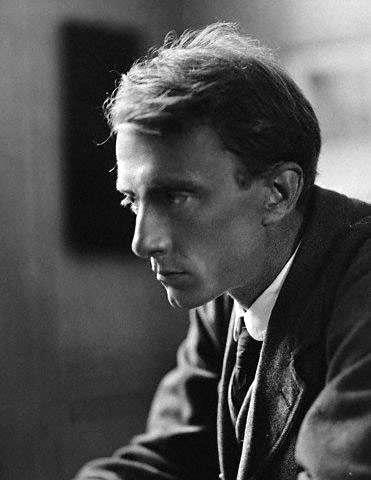
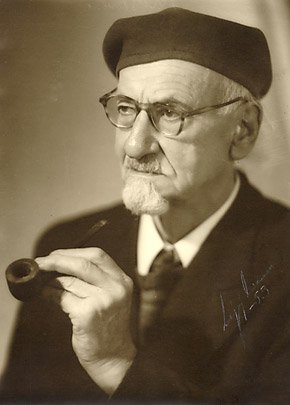
Sir Lawrence Walter William Weaver was an influential English architectural writer and civil servant known for his significant contributions to the field of architecture during the early 20th century. He played a pivotal role in promoting the Arts and Crafts movement, which emphasized craftsmanship and the importance of design in everyday life. Weaver's writings often focused on the relationship between architecture and society, advocating for a more humane approach to building that considered both aesthetic and functional aspects. His notable works include 'The Arts and Crafts Movement' and 'The Architecture of the Renaissance in Italy,' which reflect his deep understanding of architectural history and theory. Weaver's legacy extends beyond his writings; he was a key figure in the establishment of various architectural societies and contributed to the discourse on urban planning and public architecture. His insights into the social responsibilities of architects and the importance of integrating art into public spaces have left a lasting impact on the profession. As a civil servant, he also influenced policy related to architecture and urban development, ensuring that the principles of good design were upheld in public projects. Weaver's work continues to be referenced by architects and historians, marking him as a significant figure in the evolution of modern architecture in England.
Famous Quotes
View all 1 quotes“No Asha, Queen of Naenden, weaver of tales and protector of the helpless, a girl”
Audiobooks from the author




Link to this page
Add a free, dofollow link to Lex on your blog, forum, syllabus, or reading list.

<a href="https://lex-books.com/author/lawrence-weaver"><img src="https://lex-books.com/badges/read-on-lex.svg" alt="Lawrence Weaver on Lex" width="160" height="40"></a>[](https://lex-books.com/author/lawrence-weaver)[url=https://lex-books.com/author/lawrence-weaver][img]https://lex-books.com/badges/read-on-lex.svg[/img][/url]Lawrence Weaver on Lex: https://lex-books.com/author/lawrence-weaver