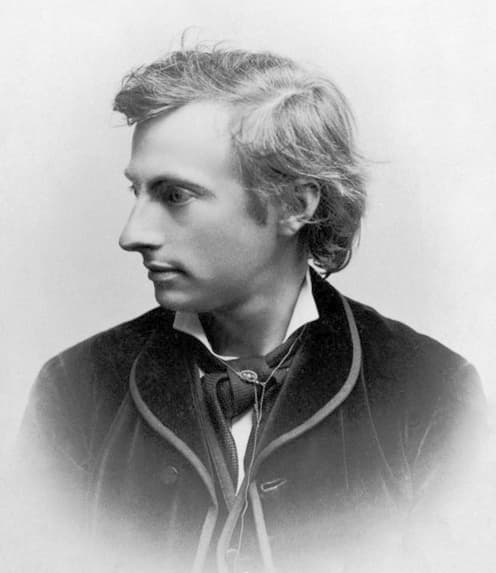
Karl Gjellerup
Karl Gjellerup was a prominent Danish poet and novelist, recognized for his contributions to the Modern Breakthrough in Scandinavian literature. Born in 1857, he emerged as a significant literary figure alongside his compatriot Henrik Pontoppidan, with whom he shared the Nobel Prize in Literature in 1917. Gjellerup's works often explored themes of existentialism and the human condition, reflecting the cultural and philosophical shifts of his time. His literary prowess was evident in notable works such as 'The Pilgrim Kamanita' and 'The Great God Pan,' which showcased his innovative narrative style and deep psychological insight. Gjellerup's writing not only captured the spirit of his era but also influenced subsequent generations of writers. His exploration of spirituality and the complexities of modern life resonated with readers and critics alike, establishing him as a key figure in the evolution of Danish literature. Through his use of the pseudonym Epigonos, he further demonstrated his versatility and commitment to literary experimentation. Gjellerup's legacy endures, as he remains a vital part of the discourse surrounding early 20th-century literature in Scandinavia.
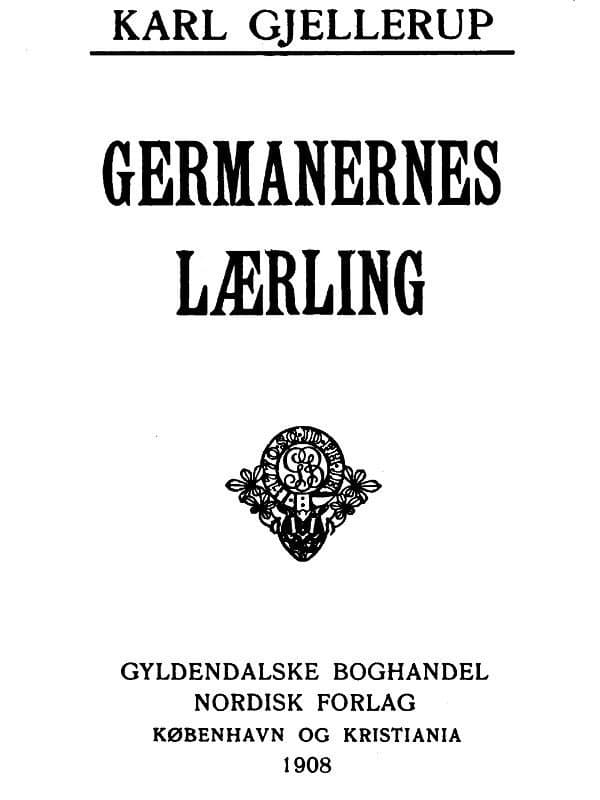
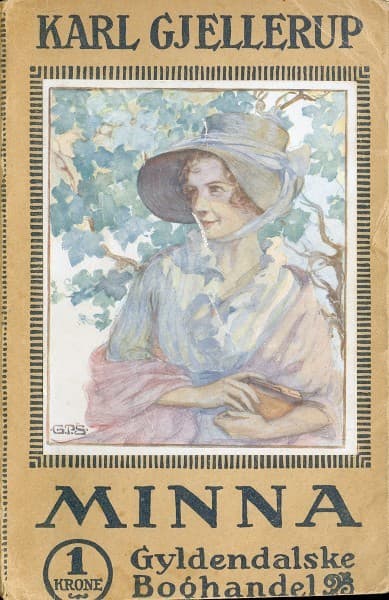
Books from the author







Link to this page
Add a free, dofollow link to Lex on your blog, forum, syllabus, or reading list.

<a href="https://lex-books.com/author/karl-gjellerup"><img src="https://lex-books.com/badges/read-on-lex.svg" alt="Karl Gjellerup on Lex" width="160" height="40"></a>[](https://lex-books.com/author/karl-gjellerup)[url=https://lex-books.com/author/karl-gjellerup][img]https://lex-books.com/badges/read-on-lex.svg[/img][/url]Karl Gjellerup on Lex: https://lex-books.com/author/karl-gjellerup