
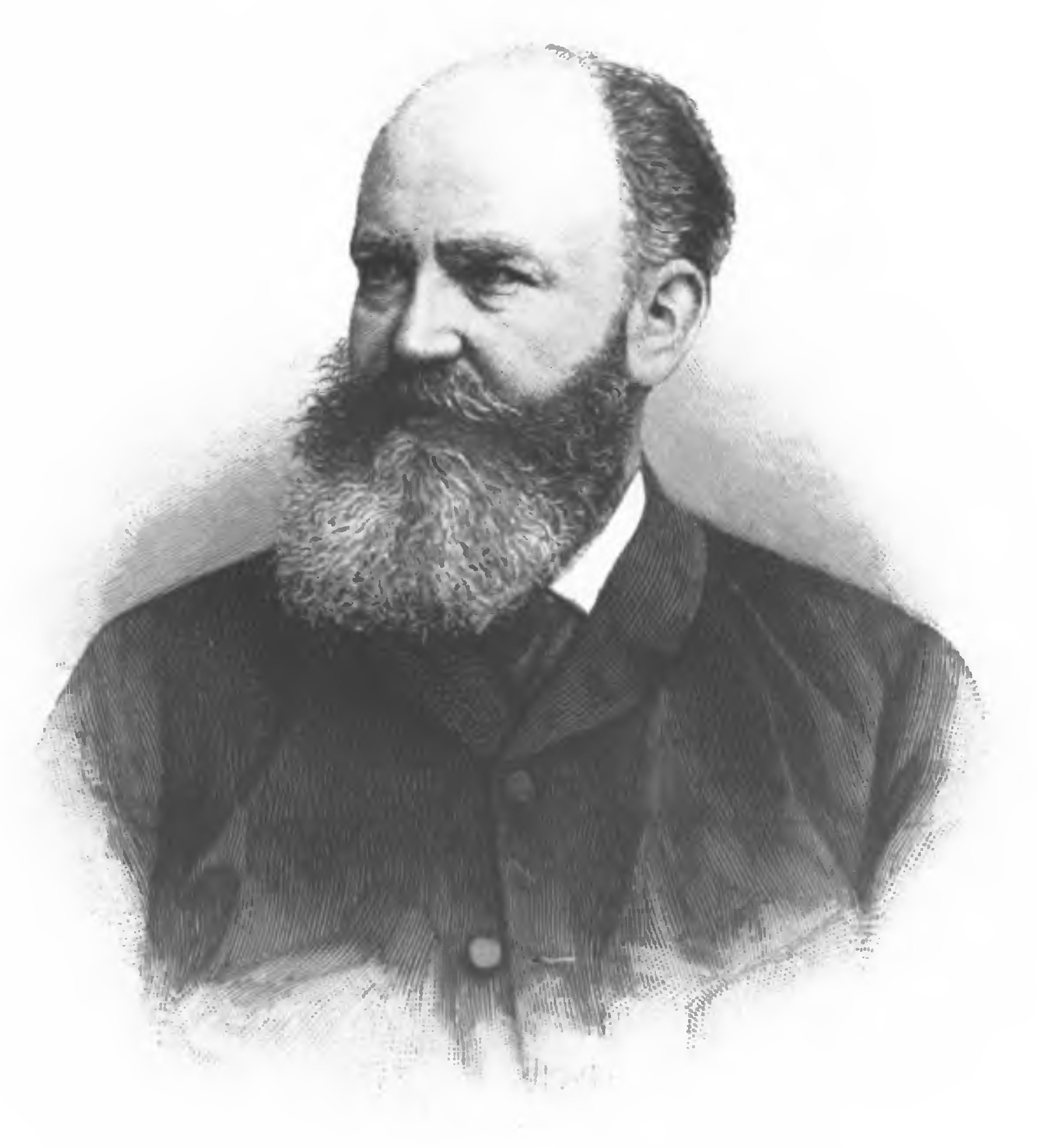
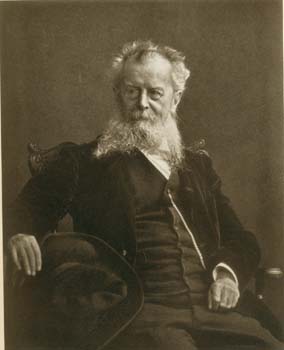
Karl Binding
Karl Binding was a prominent German jurist whose work significantly impacted legal and ethical discussions surrounding life and death. He is best known for co-authoring the controversial book, 'Die Freigabe der Vernichtung lebensunwerten Lebens' ('Allowing the Destruction of Life Unworthy of Living'), alongside psychiatrist Alfred Hoche. This work advocated for the euthanasia of individuals deemed 'life unworthy of living,' a concept that would later be exploited by the Nazi regime to justify their Aktion T4 program, which led to the systematic killing of the disabled and other marginalized groups. Binding's theories on retributive justice and the moral implications of euthanasia sparked intense debate during his lifetime and continue to evoke strong reactions today. His legacy is a complex one, as his ideas contributed to a dark chapter in history, raising ethical questions about the value of human life and the role of the state in matters of life and death. Despite the controversial nature of his work, Binding remains a significant figure in discussions of legal philosophy and bioethics, illustrating the profound impact that legal theorists can have on societal norms and policies.
Famous Quotes
View all 6 quotes“If is the bond binding me to life, binding society to me, connecting me with nature and man, is not money the bond of all ? Can it not dissolve and bind all ties? Is it not, therefore, also the universal of ?””
“The idea of a method that contains firm, unchanging, and absolutely binding principles for conducting the business of science meets considerable difficulty when confronted with the results of historical research. We find, then, that there is not a single rule, however plausible, and however firmly grounded in epistemology, that is not violated at some time or other. It becomes evident that such violations are not accidental events, they are not results of insufficient knowledge or of inattention which might have been avoided. On the contrary, we see that they are necessary for progress. Indeed, one of the most striking features of recent discussions in the history and philosophy of science is the realization that events and developments, such as the invention of atomism in antiquity, the Copernican Revolution, the rise of modern atomism (kinetic theory; dispersion theory; stereochemistry; quantum theory), the gradual emergence of the wave theory of light, occurred only because some thinkers either decided not to be bound be certain 'obvious' methodological rules, or because they unwittingly broke them.””
“The smooth, flat rocks were exactly the same, the sea pounded down on them in the same way, and also the landscape under the water, with its small valleys and bays and steep chasms and slopes, strewn with starfish and sea urchins, crabs and fish, was the same. You could still buy Slazenger tennis rackets, Tretorn balls, and Rossignol skis, Tyrolia bindings and Koflach boots. The houses where we lived were still standing, all of them. The sole difference, which is the difference between a child’s reality and an adult’s, was that they were no longer laden with meaning. A pair of Le Coq soccer boots was just a pair of soccer boots. If I felt anything when I held a pair in my hands now it was only a hangover from my childhood, nothing else, nothing in itself. The same with the sea, the same with the rocks, the same with the taste of salt that could fill your summer days to saturation, now it was just salt, end of story. The world was the same, yet it wasn’t, for its meaning had been displaced, and was still being displaced, approaching closer and closer to meaninglessness.””
Books from the author







Link to this page
Add a free, dofollow link to Lex on your blog, forum, syllabus, or reading list.

<a href="https://lex-books.com/author/karl-binding"><img src="https://lex-books.com/badges/read-on-lex.svg" alt="Karl Binding on Lex" width="160" height="40"></a>[](https://lex-books.com/author/karl-binding)[url=https://lex-books.com/author/karl-binding][img]https://lex-books.com/badges/read-on-lex.svg[/img][/url]Karl Binding on Lex: https://lex-books.com/author/karl-binding