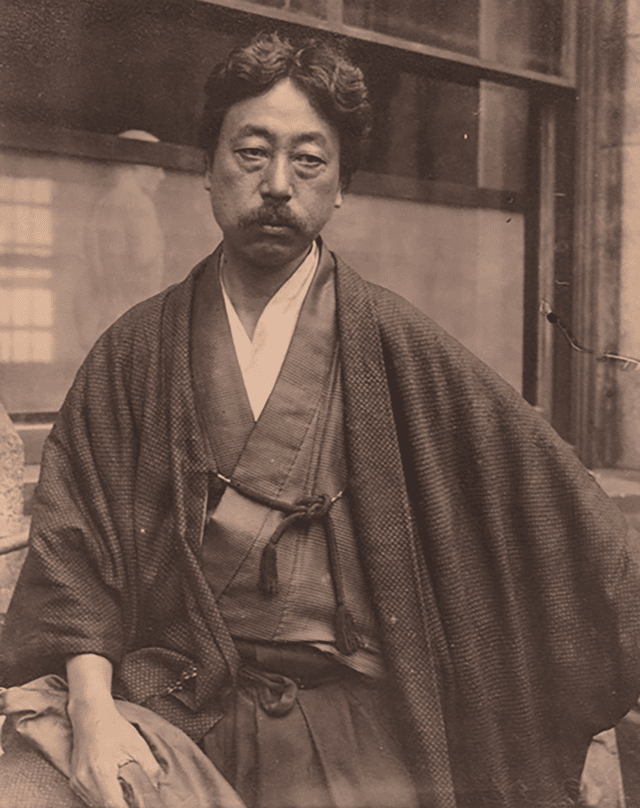
Kakuzo Okakura
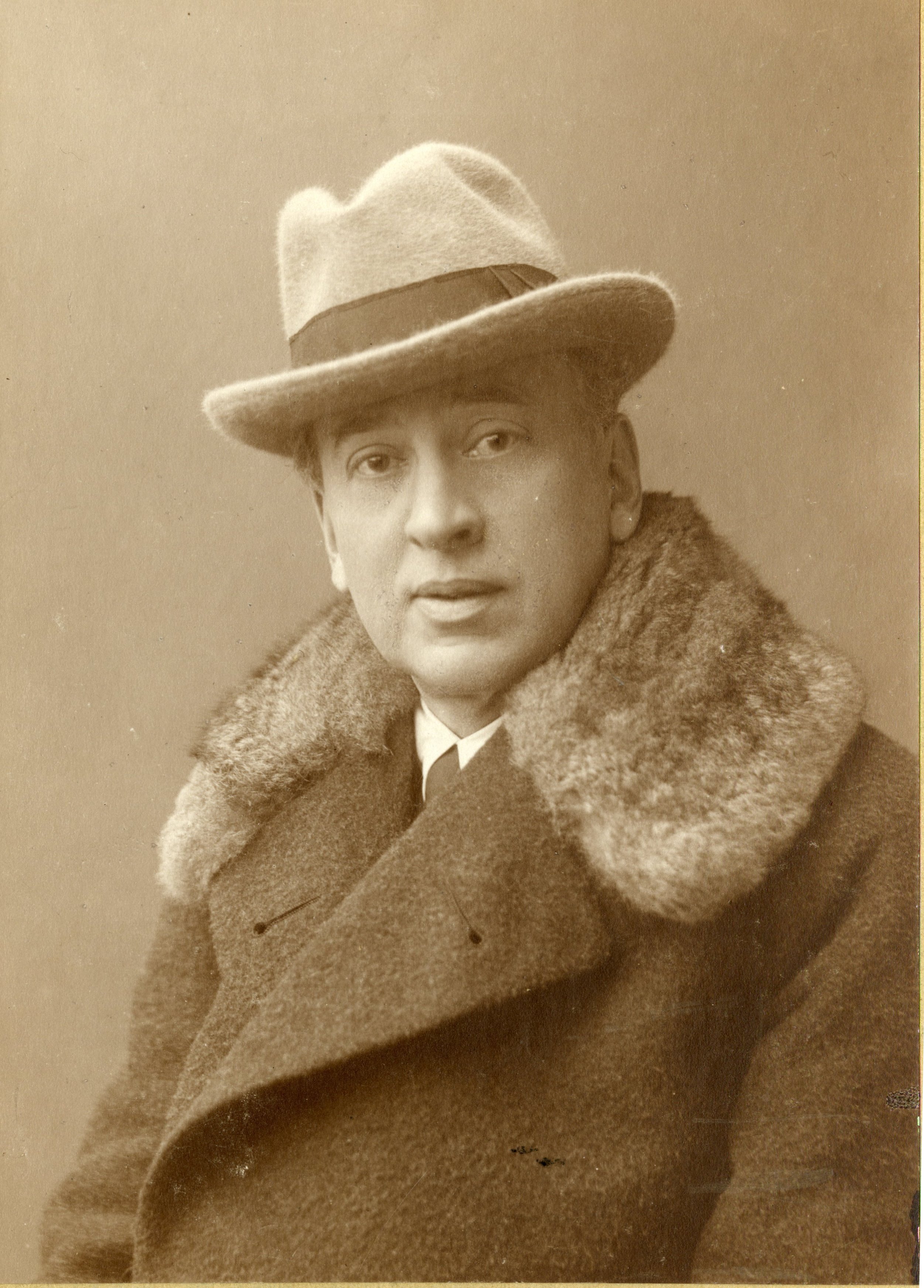
Kakuzo Okakura, also known as Okakura Tenshin, was a prominent Japanese scholar and art critic during the Meiji Restoration, a period marked by significant cultural and political transformation in Japan. He was a passionate advocate for the appreciation of traditional Japanese art, culture, and philosophy, seeking to preserve these elements in the face of rapid Westernization. His most notable work, The Book of Tea, published in 1906, was written in English and aimed to introduce Western audiences to the aesthetic and philosophical underpinnings of Japanese tea culture. Through this work, Okakura critiqued the Western portrayal of Japan and expressed concerns about the loss of cultural identity amidst the pressures of modernization and militarism following the Russo-Japanese War. Okakura's influence extended beyond his writings; he played a crucial role in the establishment of the Tokyo School of Fine Arts and was instrumental in fostering a greater understanding of Asian art in the West. His efforts to bridge Eastern and Western cultures have left a lasting legacy, as he championed the idea that art and culture are vital to understanding humanity. Okakura's work continues to be celebrated for its insightful commentary on cultural exchange and the importance of preserving traditional values in a rapidly changing world.
Famous Quotes
View all 3 quotes“In joy or sadness, flowers are our constant friends.”
“Tea ... is a religion of the art of life.”
“Teaism is a cult founded on the adoration of the beautiful among the sordid facts of everyday existence. It inculcates purity and harmony, the mystery of mutual charity, the romanticism of the social order. It is essentially a worship of the Imperfect, as it is a tender attempt to accomplish something possible in this impossible thing we know as life.”
Books from the author




Link to this page
Add a free, dofollow link to Lex on your blog, forum, syllabus, or reading list.

<a href="https://lex-books.com/author/kakuzo-okakura"><img src="https://lex-books.com/badges/read-on-lex.svg" alt="Kakuzo Okakura on Lex" width="160" height="40"></a>[](https://lex-books.com/author/kakuzo-okakura)[url=https://lex-books.com/author/kakuzo-okakura][img]https://lex-books.com/badges/read-on-lex.svg[/img][/url]Kakuzo Okakura on Lex: https://lex-books.com/author/kakuzo-okakura