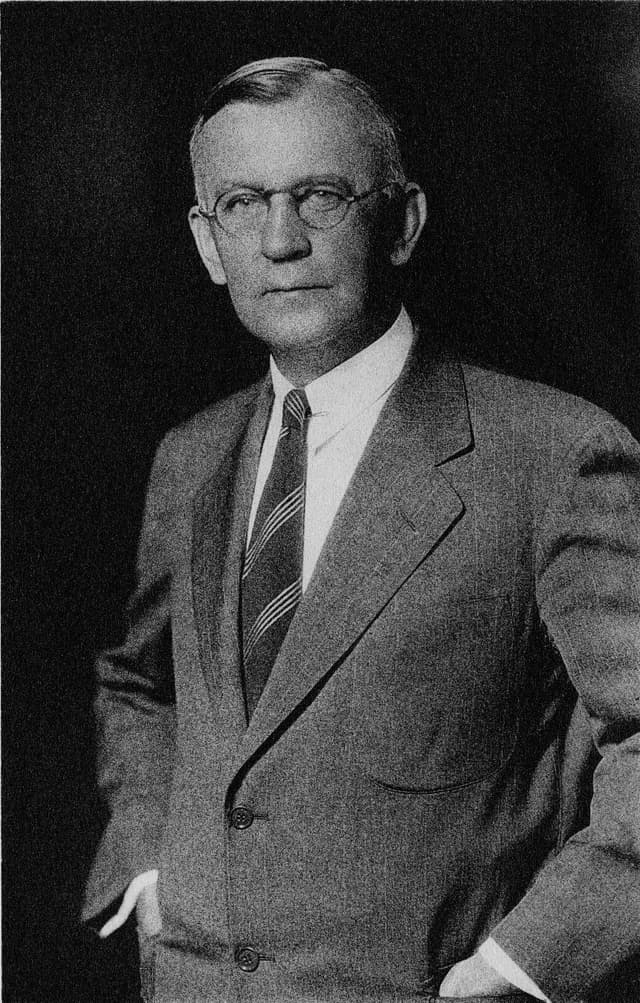
Joseph Quincy Adams
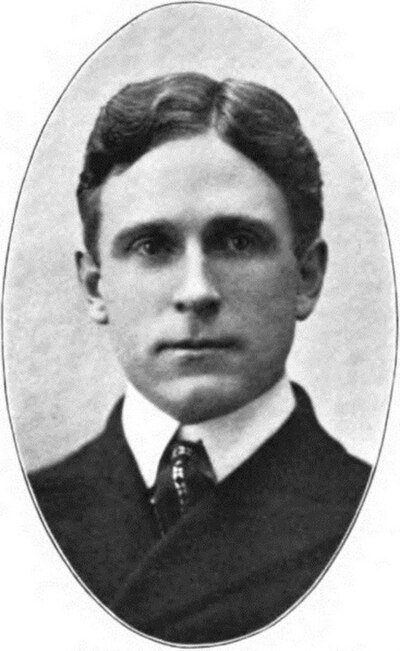
Joseph Quincy Adams was an American scholar and historian, renowned for his contributions to the study of English theatre. His most notable work, "Shakespearean Playhouses: A History of English Theatres from the Beginnings to the Restoration," published in 1917, provided an exhaustive examination of the development of theatrical spaces in England, tracing their evolution from medieval times through the Restoration period. Adams's research was pivotal in illuminating the cultural and architectural significance of these playhouses, offering insights into how they shaped the performance of drama and the reception of Shakespeare's works. Adams's scholarship was characterized by meticulous attention to detail and a deep understanding of the historical context surrounding English theatre. His work not only documented the physical structures of playhouses but also explored their social and artistic implications, making it a foundational text for future studies in theatre history. Through his writings, Adams contributed significantly to the appreciation of theatrical heritage, influencing both scholars and practitioners in the field. His legacy endures in the continued relevance of his analyses of theatre's role in society and its evolution over time.
Famous Quotes
View all 1 quotes“and Bill Clinton broke with this archetype to devote their post-presidencies to humanitarian and other public causes. Previously, William Howard Taft, president””
Books from the author





Link to this page
Add a free, dofollow link to Lex on your blog, forum, syllabus, or reading list.

<a href="https://lex-books.com/author/joseph-quincy-adams"><img src="https://lex-books.com/badges/read-on-lex.svg" alt="Joseph Quincy Adams on Lex" width="160" height="40"></a>[](https://lex-books.com/author/joseph-quincy-adams)[url=https://lex-books.com/author/joseph-quincy-adams][img]https://lex-books.com/badges/read-on-lex.svg[/img][/url]Joseph Quincy Adams on Lex: https://lex-books.com/author/joseph-quincy-adams