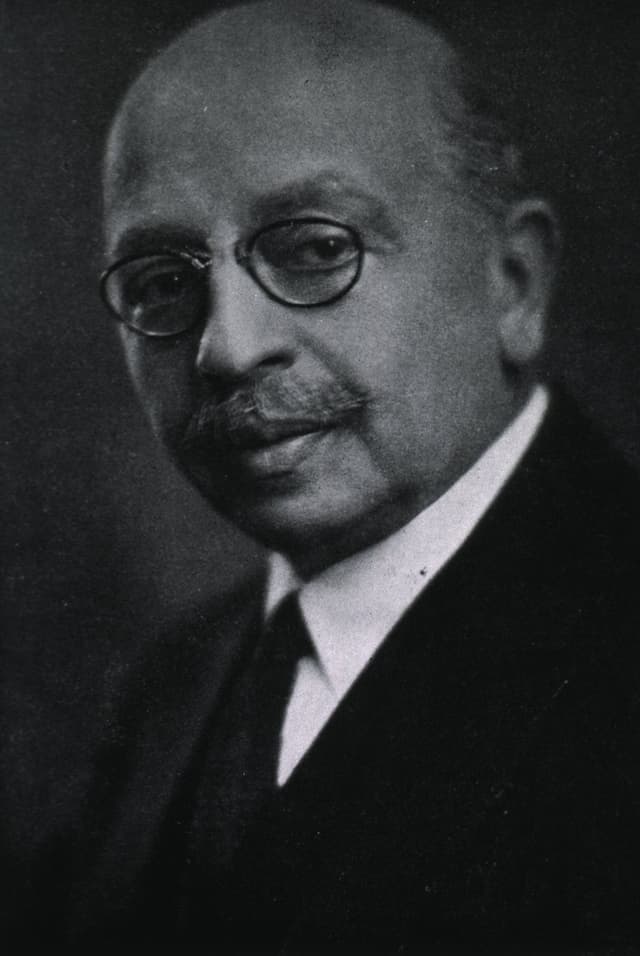
Joseph Jastrow
Joseph Jastrow was a pioneering Polish-born American psychologist who made significant contributions to the fields of experimental psychology and psychophysics. He is best known for his work on optical illusions, particularly the Jastrow illusion, which he either first reported or popularized. Jastrow's research focused on how perception could be influenced by preconceptions, and he sought to uncover the truth behind psychological phenomena through rigorous scientific methods. His commitment to education and public understanding of psychology led him to engage with audiences through speaking tours, popular articles, and radio broadcasts, making complex psychological concepts accessible to the general public. Throughout his career, Jastrow emphasized the importance of distinguishing between truth and error in psychological understanding. His innovative approach and dedication to empirical research not only advanced the field of psychology but also helped shape public perceptions of the discipline. By bridging the gap between scientific inquiry and everyday experiences, Jastrow's legacy endures in the continued exploration of human perception and cognition, influencing both psychologists and the broader society in their understanding of the mind.
Books from the author




Link to this page
Add a free, dofollow link to Lex on your blog, forum, syllabus, or reading list.

<a href="https://lex-books.com/author/joseph-jastrow"><img src="https://lex-books.com/badges/read-on-lex.svg" alt="Joseph Jastrow on Lex" width="160" height="40"></a>[](https://lex-books.com/author/joseph-jastrow)[url=https://lex-books.com/author/joseph-jastrow][img]https://lex-books.com/badges/read-on-lex.svg[/img][/url]Joseph Jastrow on Lex: https://lex-books.com/author/joseph-jastrow