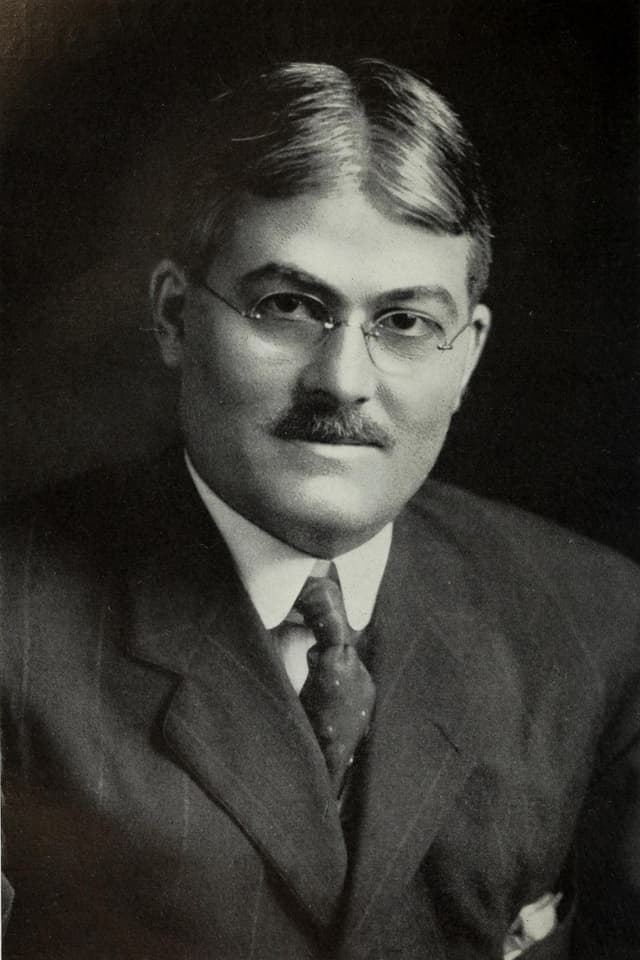
George Washington Crile
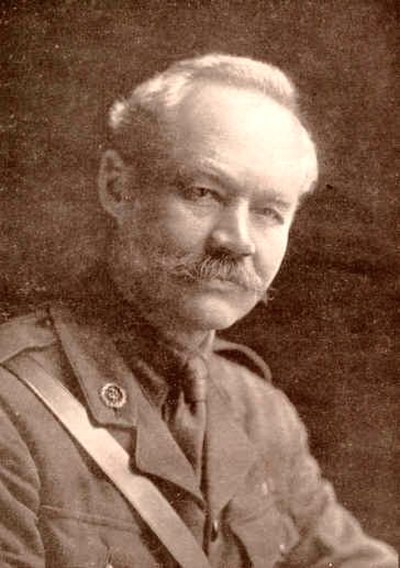
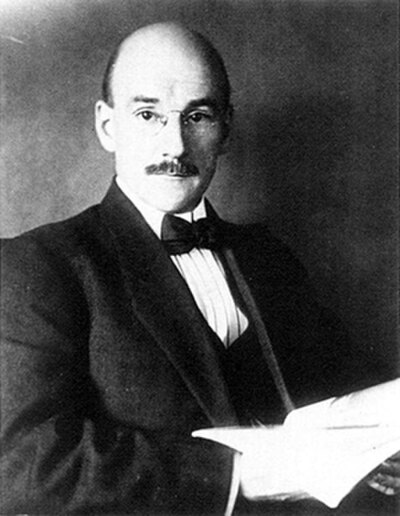
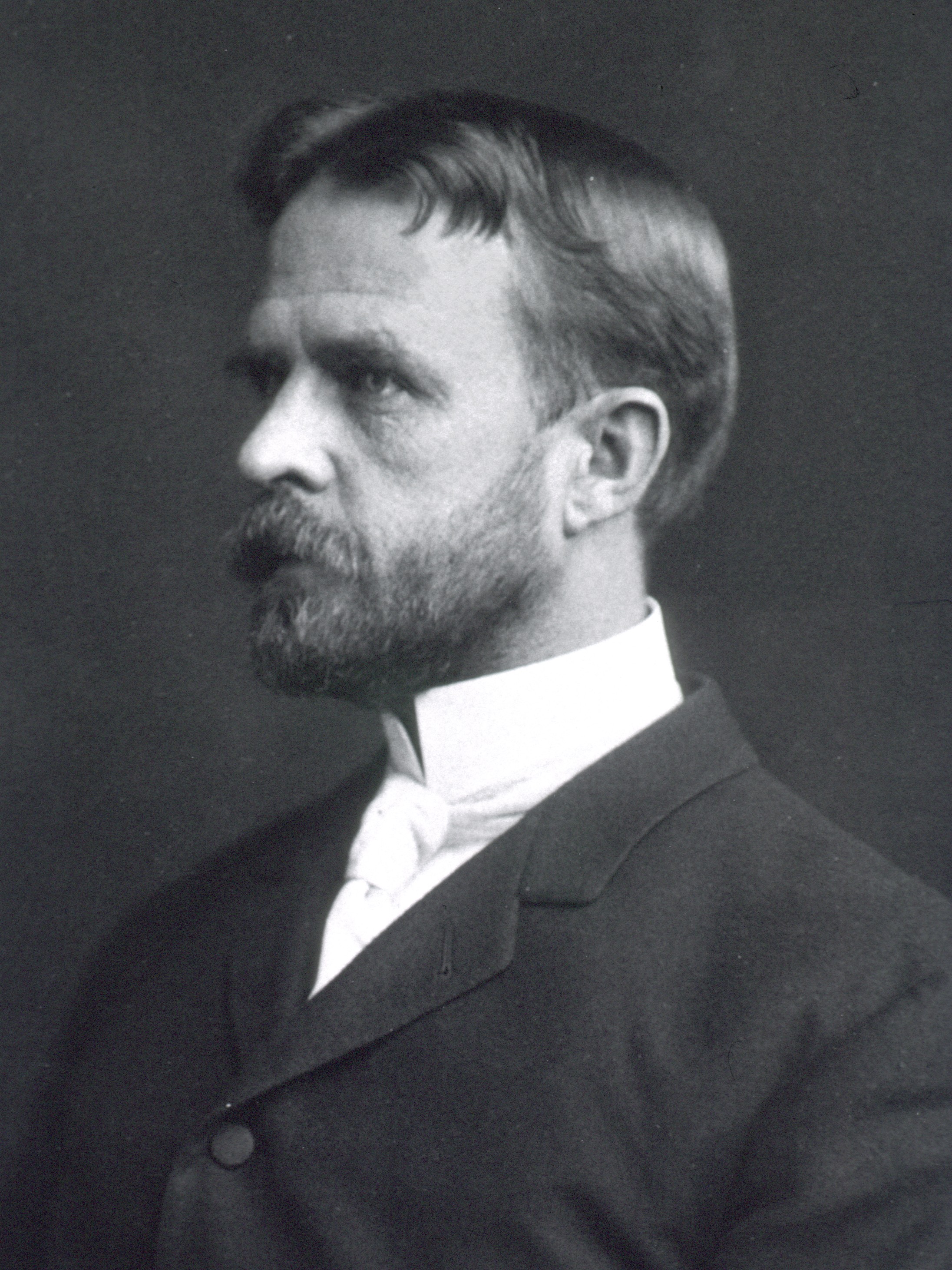
George Washington Crile was a pioneering American surgeon renowned for his groundbreaking contributions to surgical techniques and anesthesia. He made history as the first surgeon to successfully perform a direct blood transfusion, a significant advancement that transformed surgical practices and patient care. Crile's expertise extended to various procedures, including neck dissection, and he was instrumental in developing the Crile mosquito clamp, a vital tool in surgical operations. His innovative approach to anesthesia led to the concept of balanced anesthesia, which integrated the use of opioids, regional, and general anesthesia, enhancing patient safety and comfort during surgery. In 1921, Crile co-founded the Cleveland Clinic, which became a leading medical institution known for its commitment to patient-centered care and medical research. His legacy is marked by his dedication to advancing surgical science and improving surgical outcomes, influencing generations of surgeons and medical professionals. Crile's work not only laid the groundwork for modern surgical techniques but also emphasized the importance of collaboration in healthcare, making him a significant figure in the evolution of American medicine.
Books from the author





Link to this page
Add a free, dofollow link to Lex on your blog, forum, syllabus, or reading list.

<a href="https://lex-books.com/author/george-washington-crile"><img src="https://lex-books.com/badges/read-on-lex.svg" alt="George Washington Crile on Lex" width="160" height="40"></a>[](https://lex-books.com/author/george-washington-crile)[url=https://lex-books.com/author/george-washington-crile][img]https://lex-books.com/badges/read-on-lex.svg[/img][/url]George Washington Crile on Lex: https://lex-books.com/author/george-washington-crile