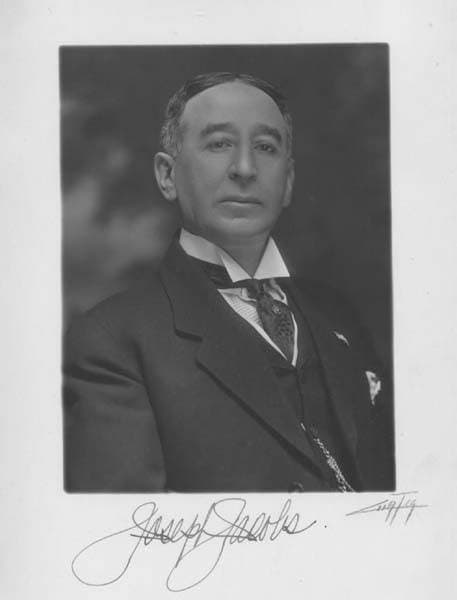
Joseph Jacobs
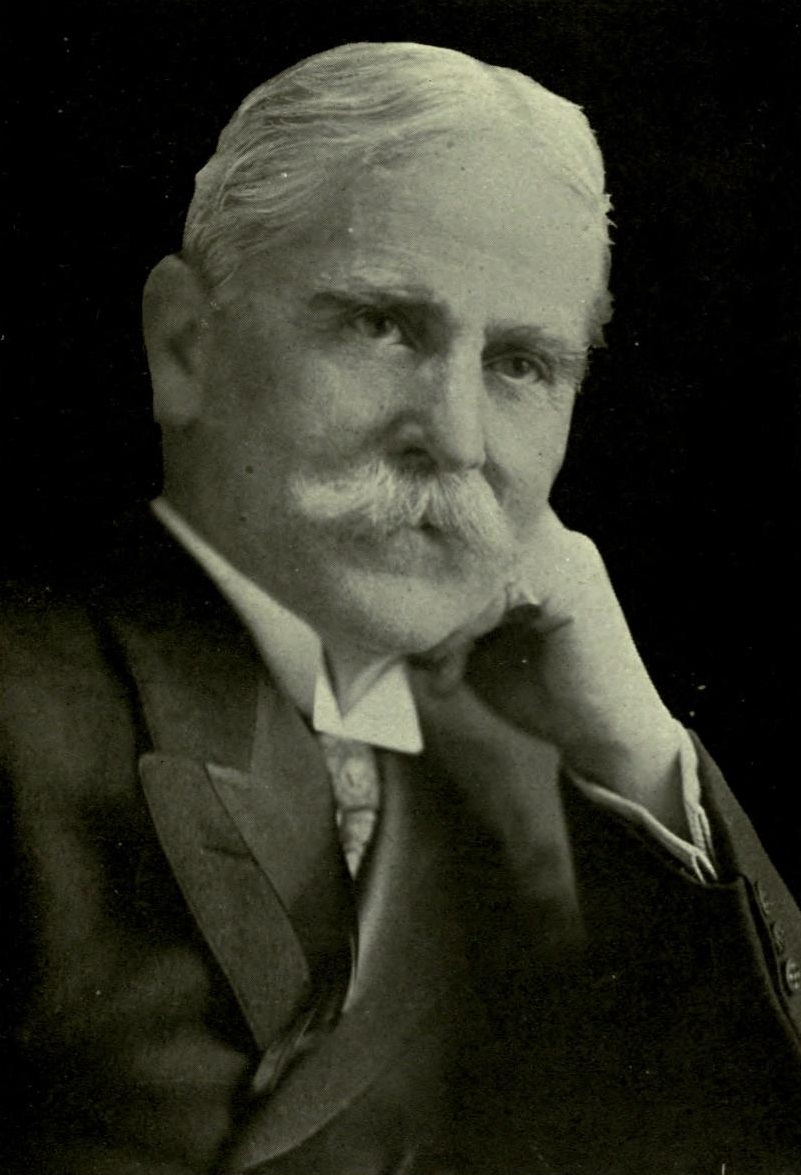
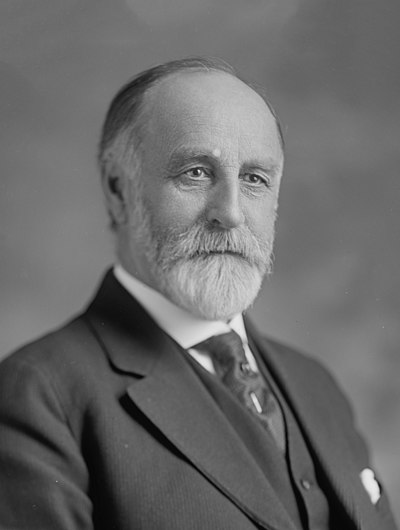
Joseph Jacobs was an influential Australian-born folklorist, literary critic, and historian, renowned for his extensive collection and publication of English folklore. Born in Sydney to a Jewish family, he dedicated his life to preserving and popularizing traditional tales, significantly shaping the landscape of English fairy tales. His notable works, including 'English Fairy Tales' (1890) and 'More English Fairy Tales' (1893), featured beloved stories such as 'Jack and the Beanstalk,' 'Goldilocks and the Three Bears,' and 'The Three Little Pigs.' Through these collections, Jacobs not only revived interest in these narratives but also ensured their place in the literary canon. Jacobs's contributions extended beyond English tales; he published fairy tales from various cultures, including European, Jewish, Celtic, and Indian traditions, establishing himself as a prominent figure in the field of folklore. He served as an editor for several important works, including the 'Fables of Bidpai' and 'Fables of Aesop,' and contributed to 'The Thousand and One Nights.' His involvement with The Folklore Society in England and his editorial role in its journal, 'Folklore,' further solidified his status as a leading expert in the field. Jacobs's legacy endures through his pivotal role in the preservation and dissemination of folklore, making him a key figure in the study of cultural narratives.
Famous Quotes
View all 3 quotes“Be bold, be bold, but not too bold, Lest that your heart's blood should run cold.”
“Now, what's my name?" says he. "What, is that Bill?" says she. "Noo, that ain't," says he, and he twirled his tail. "Is that Ned?" says she. "Noo, that ain't," says he, and he twirled his tail. "Well, is that Mark?" says she. "Noo, that ain't," says he.”
“My darter ha' ate five, five pies to-day. My darter ha' ate five, five pies to-day." The king was coming down the street, and he heard her sing, but what she sang he couldn't hear, so he stopped and said: "What was that you were singing, my good woman?" The woman was ashamed to let him hear what her daughter had been doing, so she sang, instead of that: "My darter ha' spun five, five skeins to-day.”
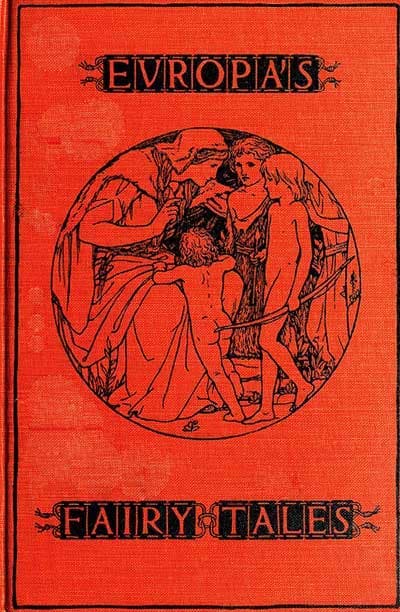
Books from the author



Link to this page
Add a free, dofollow link to Lex on your blog, forum, syllabus, or reading list.

<a href="https://lex-books.com/author/joseph-jacobs"><img src="https://lex-books.com/badges/read-on-lex.svg" alt="Joseph Jacobs on Lex" width="160" height="40"></a>[](https://lex-books.com/author/joseph-jacobs)[url=https://lex-books.com/author/joseph-jacobs][img]https://lex-books.com/badges/read-on-lex.svg[/img][/url]Joseph Jacobs on Lex: https://lex-books.com/author/joseph-jacobs