Joseph Harris
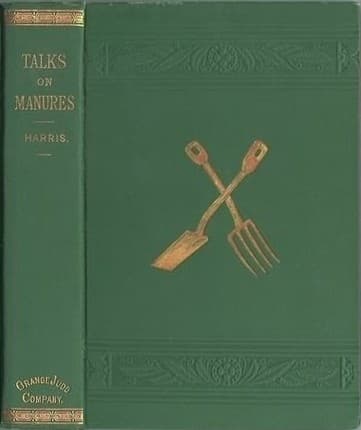
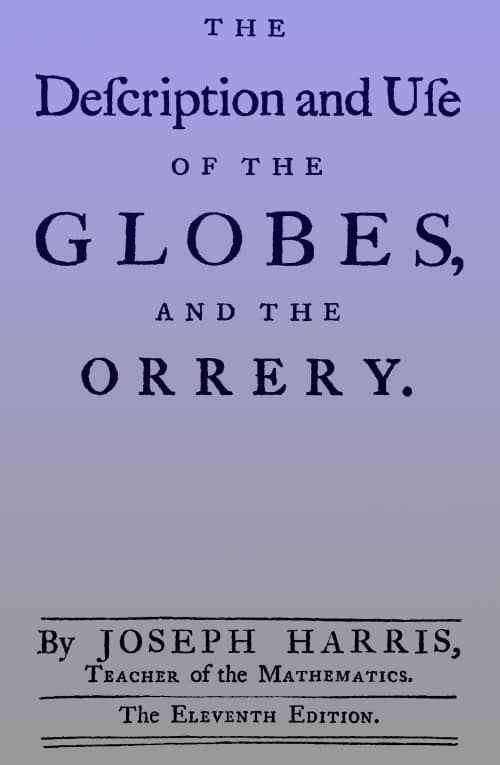
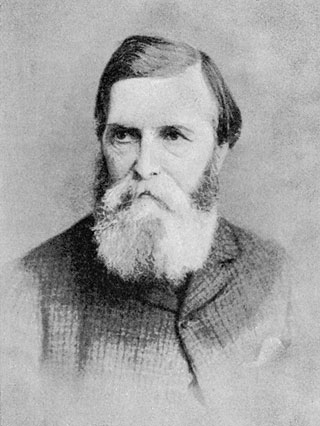
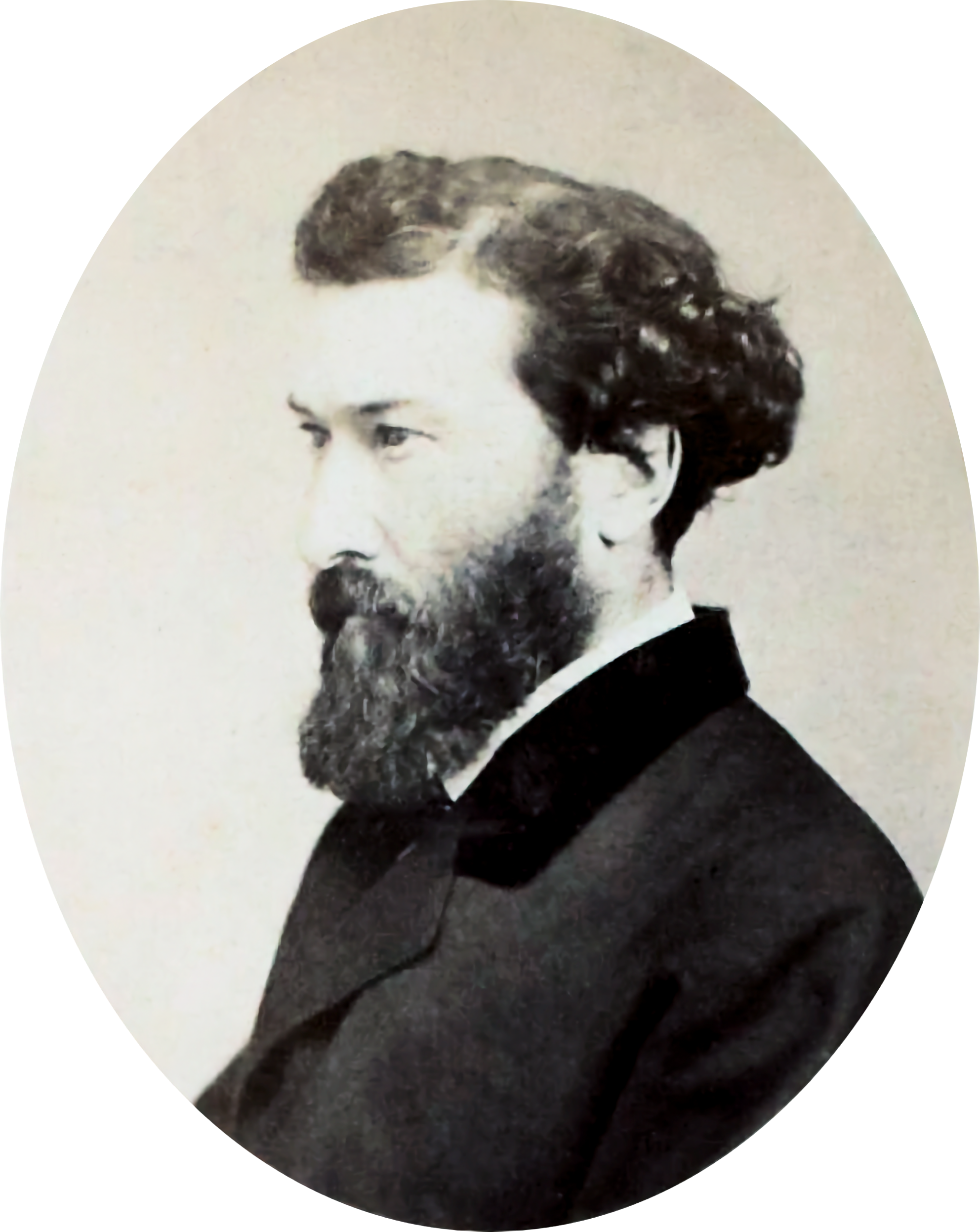
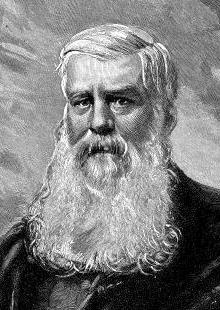
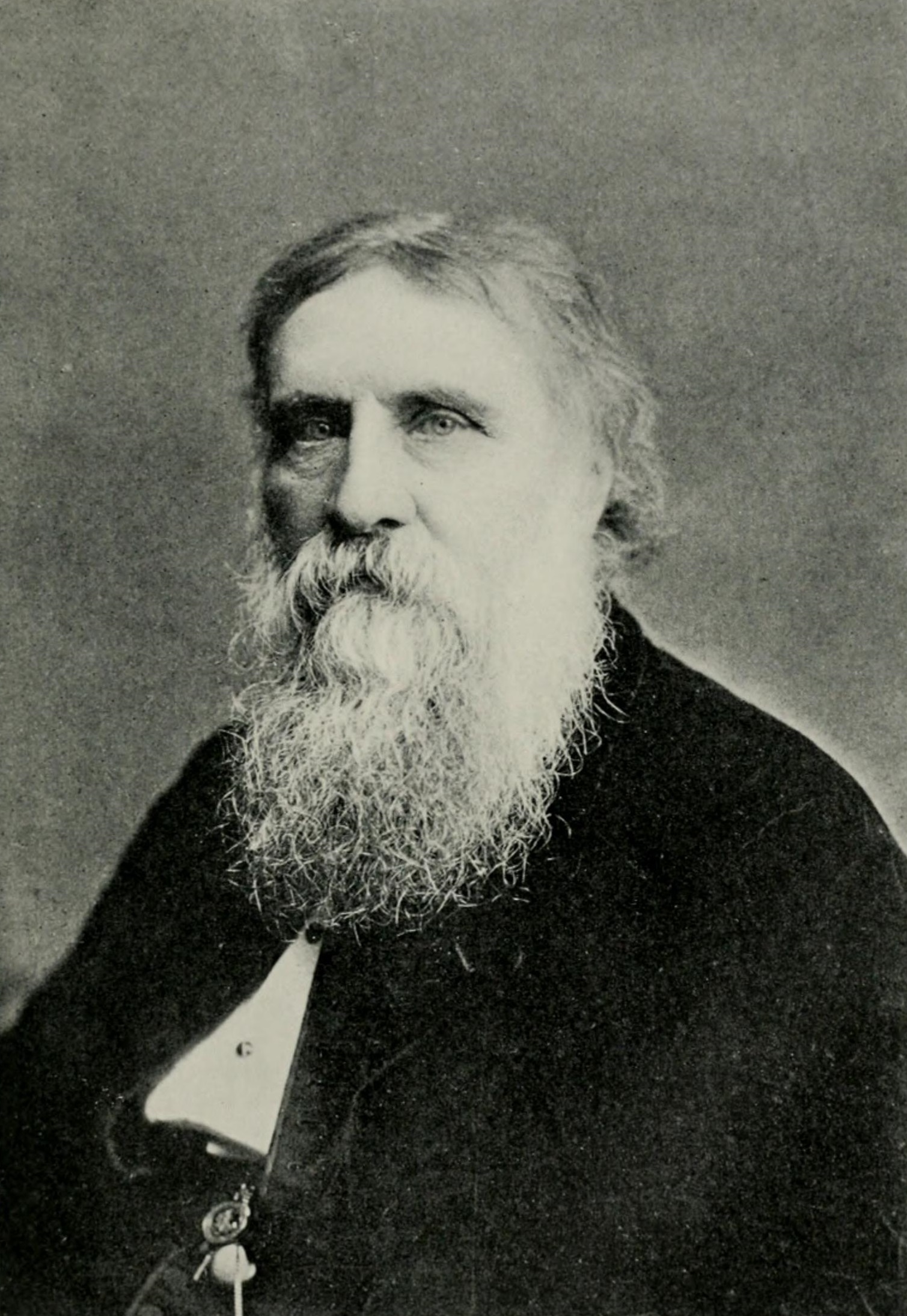
Joseph Harris was a 19th-century American author and agricultural expert, best known for his contributions to agricultural literature and practical farming techniques. His most notable work, "Talks on Manures," presents a series of engaging discussions on the importance of fertilizers, aimed at educating farmers and the general public about soil health and crop production. This work reflects Harris's commitment to improving agricultural practices through accessible and practical advice, making complex subjects understandable to a wider audience. In addition to his agricultural writings, Harris also authored "The City Bride (1696): Or, the Merry Cuckold," which showcases his versatility as a writer. This work, a comedic play, highlights the social dynamics and relationships of urban life in the late 17th century. Furthermore, his treatise on the globes and the orrery demonstrates his interest in education and science, revealing the interconnectedness of various fields of knowledge during his time. Harris's literary contributions not only provided practical guidance to farmers but also enriched the cultural landscape of his era, leaving a lasting impact on both agricultural practices and the literary scene of the 19th century.
Famous Quotes
View all 11 quotes“This, as Joseph had pointed out on retreat, is the lie we tell ourselves our whole lives: as soon as we get the next meal, party, vacation, sexual encounter, as soon as we get married, get a promotion, get to the airport check-in, get through security and consume a bouquet of Auntie Anne’s Cinnamon Sugar Stix, we’ll feel really good. But as soon as we find ourselves in the airport gate area, having ingested 470 calories’ worth of sugar and fat before dinner, we don’t bother to examine the lie that fuels our lives. We tell ourselves we’ll sleep it off, take a run, eat a healthy breakfast, and then, finally, everything will be complete. We live so much of our lives pushed forward by these “if only” thoughts, and yet the itch remains. The pursuit of happiness becomes the source of our unhappiness.””
“Christians like yourself invariably declare that monsters like Adolf Hitler, Joseph Stalin, Mao Zedong, Pol Pot, and Kim Il Sung spring from the womb of atheism. ... The problem with such tyrants is not that they reject the dogma of religion, but that they embrace other life-destroying myths. Most become the center of a quasi-religious personality cult, requiring the continual use of propaganda for its maintenance. There is a difference between propaganda and the honest dissemination of information that we (generally) expect from a liberal democracy. ...Consider the Holocaust: the anti-Semitism that built the Nazi death camps was a direct inheritance from medieval Christianity. For centuries, Christian Europeans had viewed the Jews as the worst species of heretics and attributed every societal ill to their continued presence among the faithful. While the hatred of Jews in Germany expressed itself in a predominately secular way, its roots were religious, and the explicitly religious demonization of the Jews of Europe continued throughout the period. The Vatican itself perpetuated the blood libel in its newspapers as late as 1914. And both Catholic and Protestant churches have a shameful record of complicity with the Nazi genocide.Auschwitz, the Soviet gulags, and the killing fields of Cambodia are not examples of what happens to people when they become too reasonable. To the contrary, these horrors testify to the dangers of political and racial dogmatism. It is time that Christians like yourself stop pretending that a rational rejection of your faith entails the blind embrace of atheism as a dogma. One need not accept anything on insufficient evidence to find the virgin birth of Jesus to be a preposterous idea. The problem with religion”
“I was once at an event where my friend and meditation teacher Joseph Goldstein was asked if he believed we have free will. He answered the question with arresting clarity when he said that he couldn’t even figure out what the term could possibly mean. What does it mean to have a will that is free from the cause-and-effect relationships of the universe? As he gestured with his hands dancing above him in the air, trying to point to this imaginary free will, he asked, “How can we even try to picture such a will floating about?””
Books from the author

Link to this page
Add a free, dofollow link to Lex on your blog, forum, syllabus, or reading list.

<a href="https://lex-books.com/author/joseph-harris"><img src="https://lex-books.com/badges/read-on-lex.svg" alt="Joseph Harris on Lex" width="160" height="40"></a>[](https://lex-books.com/author/joseph-harris)[url=https://lex-books.com/author/joseph-harris][img]https://lex-books.com/badges/read-on-lex.svg[/img][/url]Joseph Harris on Lex: https://lex-books.com/author/joseph-harris