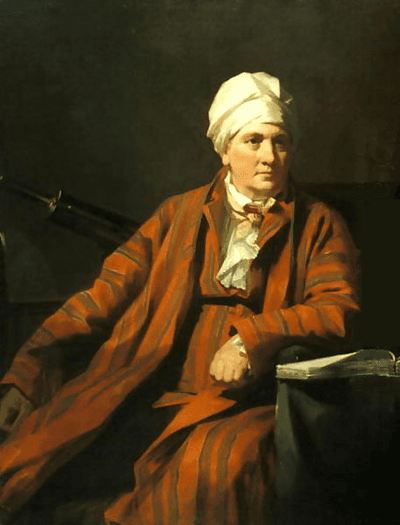
John Robison
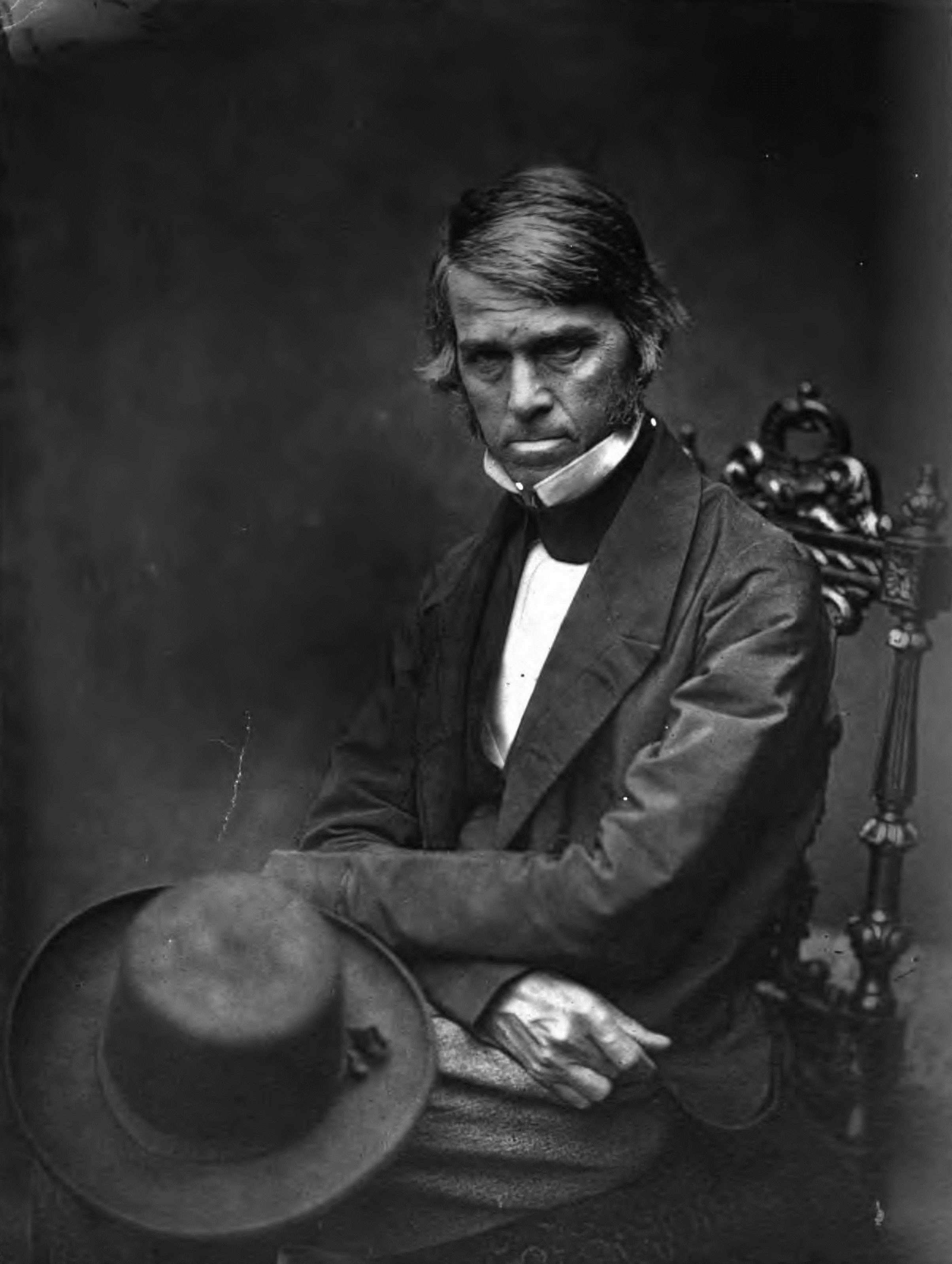
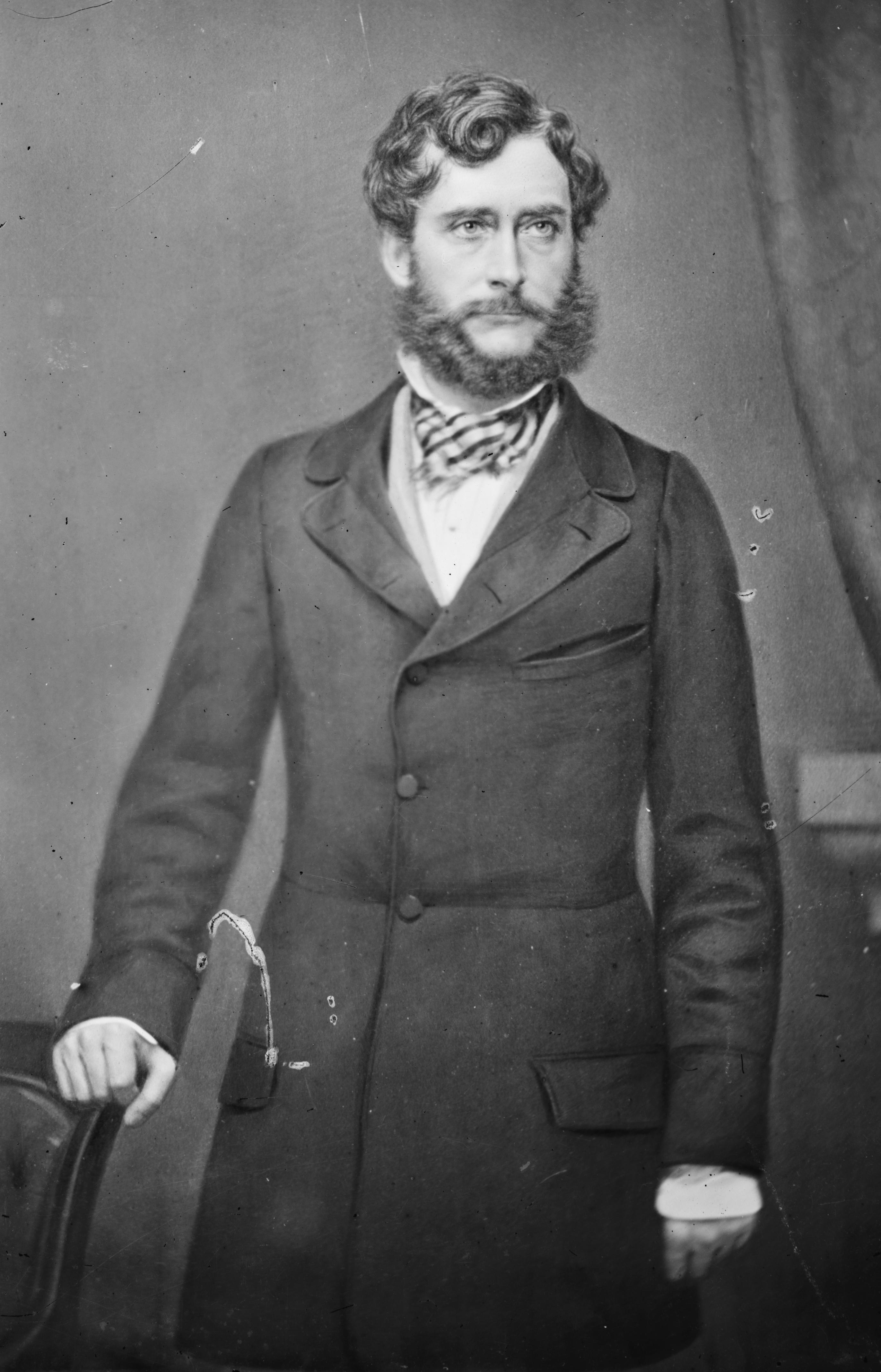
John Robison was a Scottish physicist and inventor, best known for his contributions to the fields of science and literature during the Enlightenment period. Born in 1739, he initially pursued a career in the military before turning his attention to the study of natural philosophy and engineering. Robison's most notable work, 'Proofs of a Conspiracy,' published in 1798, offered a critical examination of the influence of secret societies, particularly the Illuminati, on the political landscape of Europe. This work not only reflected the anxieties of his time but also positioned him as a significant figure in the discourse surrounding political conspiracies and social reform. In addition to his literary contributions, Robison was a prominent member of the scientific community, engaging with contemporaries such as James Watt and Joseph Black. His work in physics and engineering included advancements in steam engine technology and the study of electricity. Robison's ability to bridge the gap between scientific inquiry and public discourse made him an influential figure in both the scientific and literary realms. His legacy endures through his writings that continue to provoke thought on the interplay of knowledge, power, and society.
Famous Quotes
View all 3 quotes“So is there a cure?' I asked. 'It's not a disease,' he explained. 'It doesn't need curing. It's just how you are.”
“Mutual encouragement in the indulgence of hazardous thoughts and opinions which flatter our wishes or propensities is a lure which few minds can resist.”
“He may address his Provincial Superior, by directing his letter Soli, or the General by Primo, or the Superiors in general by Quibus licet. In these letters he may mention whatever he thinks conducive to the advancement of the Order; he may inform the Superiors how his instructor behaves to him; if assiduous or remiss, indulgent”
Books from the author




Link to this page
Add a free, dofollow link to Lex on your blog, forum, syllabus, or reading list.

<a href="https://lex-books.com/author/john-robison"><img src="https://lex-books.com/badges/read-on-lex.svg" alt="John Robison on Lex" width="160" height="40"></a>[](https://lex-books.com/author/john-robison)[url=https://lex-books.com/author/john-robison][img]https://lex-books.com/badges/read-on-lex.svg[/img][/url]John Robison on Lex: https://lex-books.com/author/john-robison