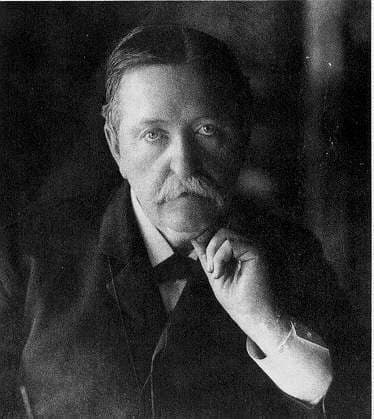
John R. Young
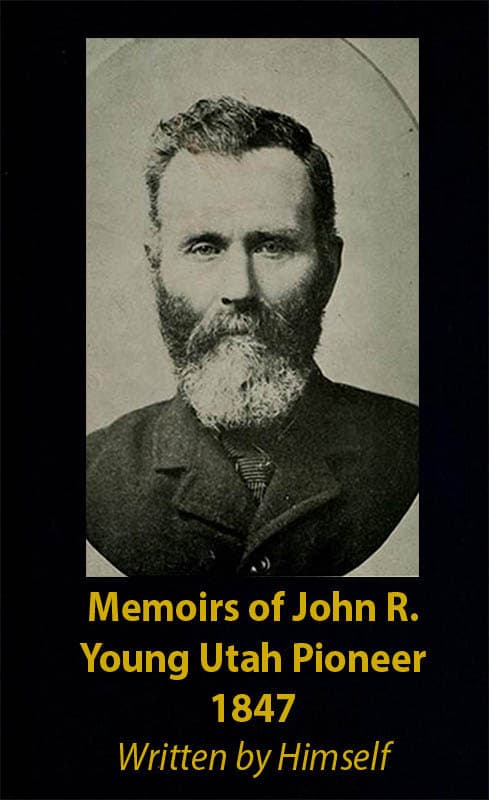
John R. Young was a notable figure in the history of the American West, particularly recognized for his contributions as a pioneer and chronicler of early Utah settlement. Born in 1837, Young's experiences as a member of the Mormon migration to Utah in 1847 provided him with a unique perspective on the challenges and triumphs of frontier life. His memoir, "Memoirs of John R. Young, Utah Pioneer, 1847," serves as a vital historical document, offering insights into the hardships faced by early settlers and the spirit of perseverance that characterized their journey. Young's writings not only reflect the personal experiences of a pioneer but also encapsulate the broader narrative of westward expansion during a transformative period in American history. Through his memoirs, he contributed to the preservation of the cultural and historical legacy of the Mormon community and the settlement of the Utah territory. His work remains significant for historians and readers interested in the complexities of pioneer life and the shaping of the American West, showcasing the resilience and determination of those who sought new beginnings in uncharted territories.
Famous Quotes
View all 15 quotes“Jesus never concealed the fact that his religion included a demand as well as an offer. Indeed, the demand was as total as the offer was free. If he offered men his salvation, he also demanded their submission. He gave no encouragement whatever to thoughtless applicants for discipleship. He brought no pressure to bear on any inquirer. He sent irresponsible enthusiasts away empty. Luke tells of three men who either volunteered, or were invited, to follow Jesus; but no one passed the Lord’s test. The rich young ruler, too, moral, earnest and attractive, who wanted eternal life on his own terms, went away sorrowful, with his riches intact but with neither life nor Christ as his possession…The Christian landscape is strewn with the wreckage of derelict, half built towers”
“All medieval and classic cultures of the ancient world, including those on which Tolkien modeled his elves, routinely exposed their young and marriageable women to the fortunes of war, because bearing and raising the next generation of warriors is not needed for equality-loving elves. Equality-loving elves. Who are monarchists. With a class system. Of ranks. Battles are more fun when attractive young women are dismembered and desecrated by goblins! I believe that this is one point where C.S. Lewis, J.R.R. Tolkien, and all Christian fantasy writers from before World War Two were completely agreed upon, and it is a point necessary in order correctly to capture the mood and tone and nuance of the medieval romances or Norse sagas such writers were straining their every artistic nerve and sinew to create. So, wait, we have an ancient and ageless society of elves where the virgin maidens go off to war, but these same virgin maidens must abide by the decision of their father or liege lord for permission to marry? -- The Desolation of Tolkien””
“When I was a young philosopher, I asked a senior colleague, Pat Suppes (then and now a famous philosopher of science and an astute student of human nature), what the secret of happiness was. Instead of giving me advice, he made a rather droll observation about what a lot of people who were happy with themselves seem to have done, namely:1. Take a careful inventory of their shortcomings and flaws2. Adopt a code of values that treats these things as virtues3. Admire themselves for living up to itBrutal people admire themselves for being manly; compulsive pedants admire themselves for their attention to detail; naturally selfish and mean people admire themselves for their dedication to helping the market reward talent and punish failure, and so on.””
Books from the author



Link to this page
Add a free, dofollow link to Lex on your blog, forum, syllabus, or reading list.

<a href="https://lex-books.com/author/john-r-young"><img src="https://lex-books.com/badges/read-on-lex.svg" alt="John R. Young on Lex" width="160" height="40"></a>[](https://lex-books.com/author/john-r-young)[url=https://lex-books.com/author/john-r-young][img]https://lex-books.com/badges/read-on-lex.svg[/img][/url]John R. Young on Lex: https://lex-books.com/author/john-r-young