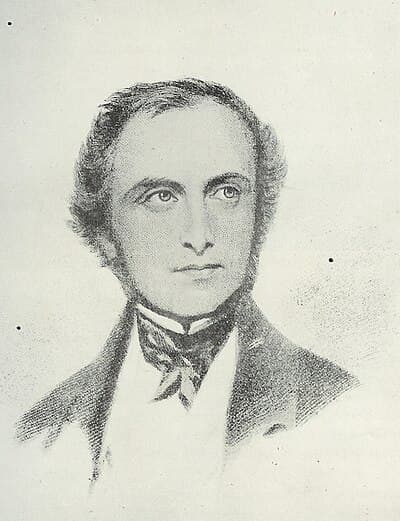
John Elliot Drinkwater Bethune
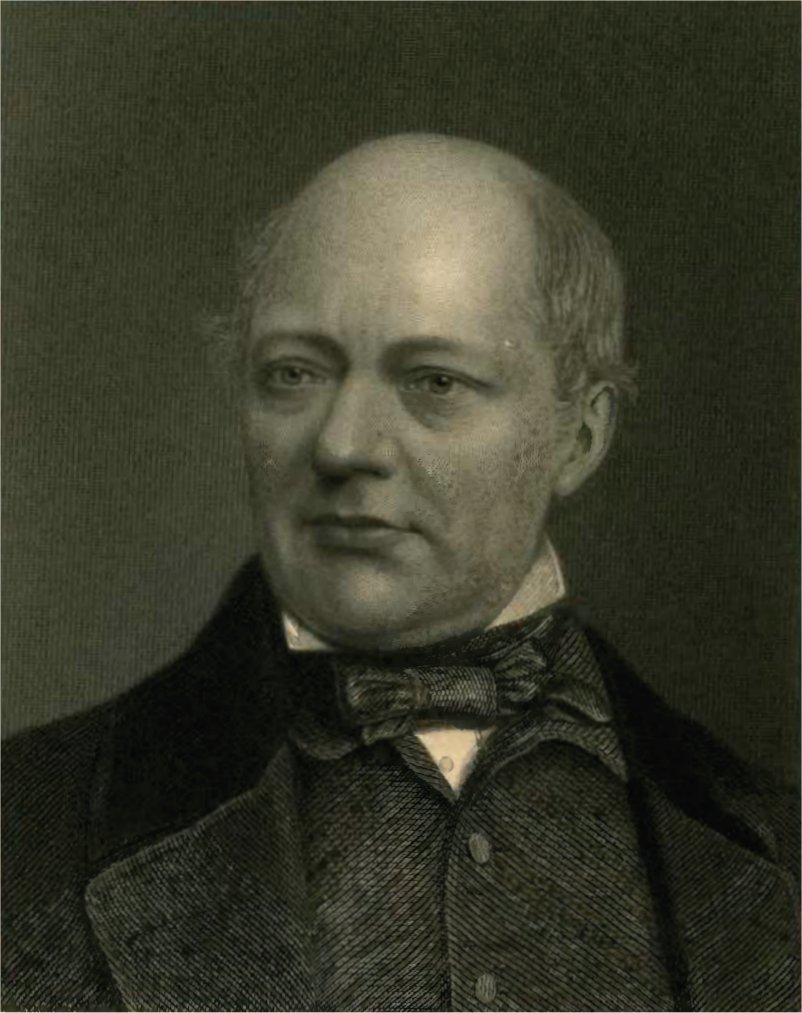
John Elliot Drinkwater Bethune was an influential English educator and mathematician who played a pivotal role in advancing women's education in India during the 19th century. Initially trained as a lawyer in England, he moved to India after being appointed as a law member of the Governor General's Council of Ministers. It was in this capacity that he recognized the pressing need for educational reform, particularly for women, who were largely excluded from formal education at the time. His commitment to this cause led him to establish the Calcutta Female School, which is now known as Bethune College, the oldest women's college in Asia. This institution became a beacon of hope and opportunity for countless women, empowering them through education in a rapidly changing society. Bethune's efforts were part of a broader movement during the Bengali Renaissance, and he collaborated with notable figures such as Ishwar Chandra Vidyasagar, who shared his vision for educational reform. His work not only laid the foundation for women's higher education in India but also challenged the prevailing social norms of his time. Bethune's legacy endures in the continued prominence of Bethune College and the ongoing struggle for women's rights and education in India, marking him as a significant figure in both educational and social reform.
Books from the author


Link to this page
Add a free, dofollow link to Lex on your blog, forum, syllabus, or reading list.

<a href="https://lex-books.com/author/john-elliot-drinkwater-bethune"><img src="https://lex-books.com/badges/read-on-lex.svg" alt="John Elliot Drinkwater Bethune on Lex" width="160" height="40"></a>[](https://lex-books.com/author/john-elliot-drinkwater-bethune)[url=https://lex-books.com/author/john-elliot-drinkwater-bethune][img]https://lex-books.com/badges/read-on-lex.svg[/img][/url]John Elliot Drinkwater Bethune on Lex: https://lex-books.com/author/john-elliot-drinkwater-bethune