John Cordy Jeaffreson
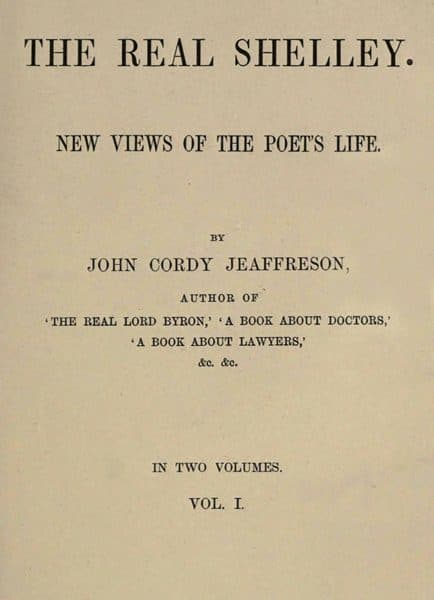
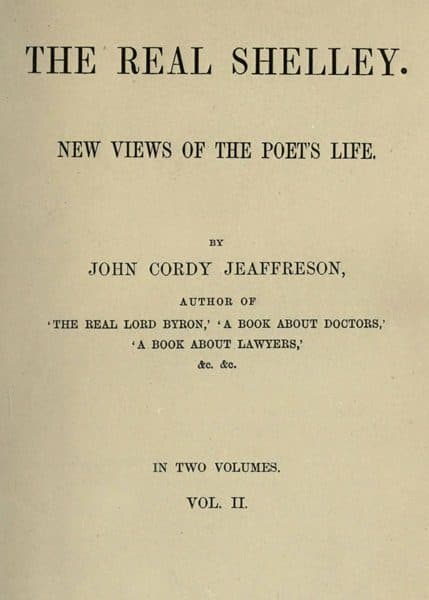
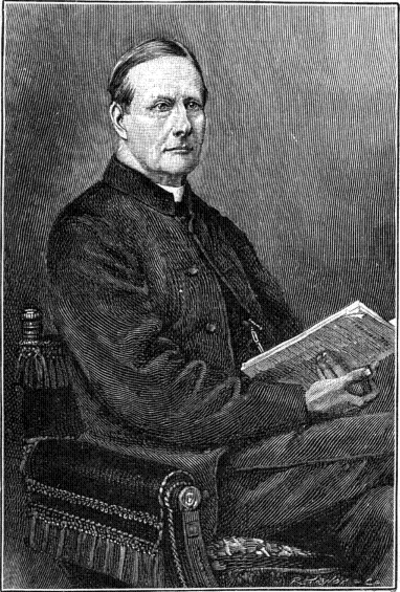
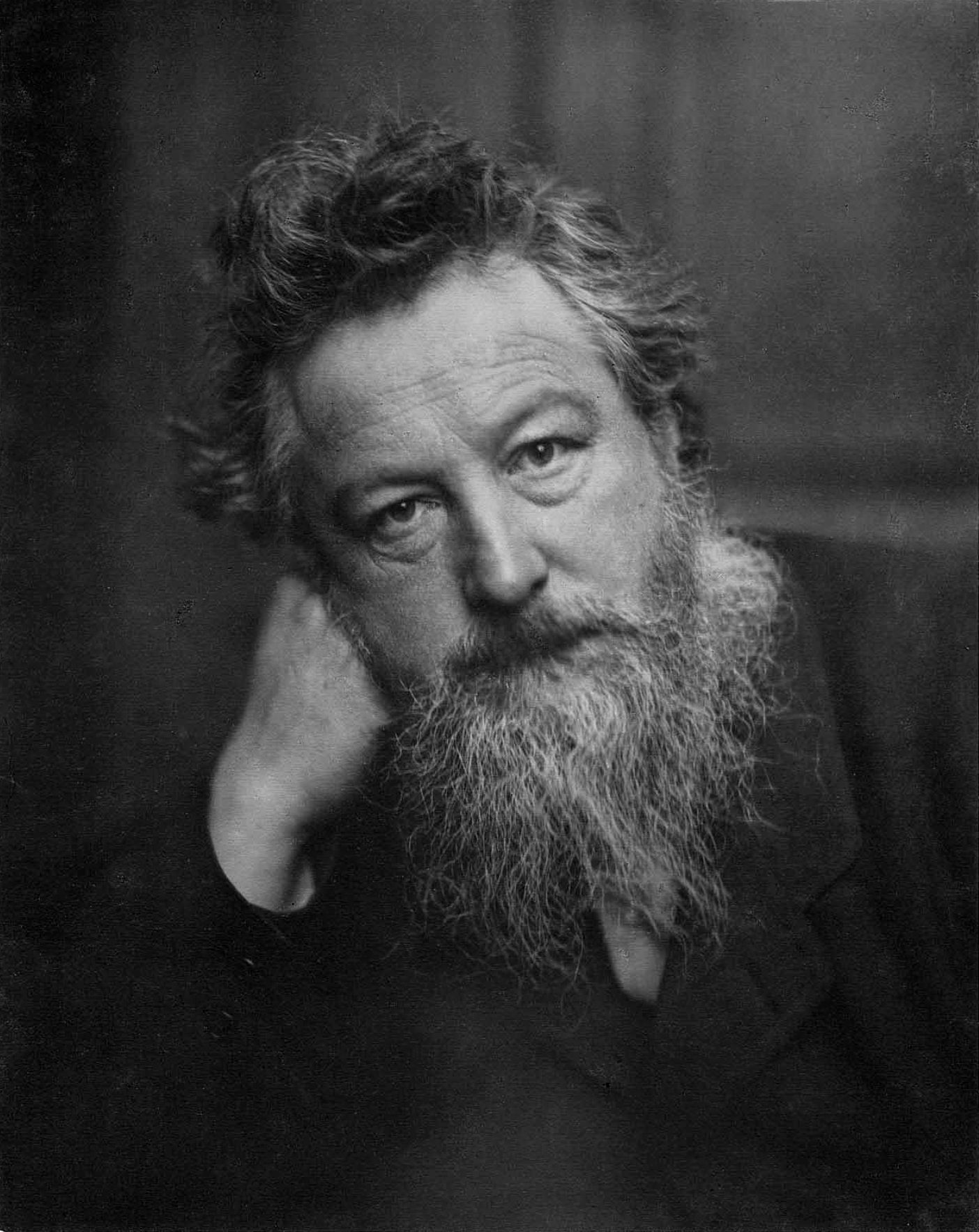
John Cordy Jeaffreson was an English novelist and writer known for his contributions to both fiction and non-fiction in the 19th century. He gained prominence for his engaging narratives and insightful commentary on society. Among his notable works are the novels 'The Queen of the May' and 'The Countess of Lathom,' which showcased his ability to weave intricate plots with rich character development. Jeaffreson also wrote extensively on historical topics, with works such as 'A Book About Doctors' and 'The Real Lord Byron,' reflecting his keen interest in the lives of notable figures and the medical profession. Jeaffreson's literary significance lies in his ability to blend entertainment with education, making historical and social themes accessible to a broad audience. His writings often explored the complexities of human relationships and societal norms, contributing to the evolving landscape of Victorian literature. In addition to his literary pursuits, he served as an inspector of historical documents, further emphasizing his dedication to preserving and understanding the past. His legacy endures through his diverse body of work, which continues to be appreciated for its narrative style and historical insights.
Famous Quotes
View all 1 quotes“CHAPTER I. LADIES IN LAW COLLEGES. A law-student of the present day finds it difficult to realize the brightness and domestic decency which characterized the Inns of Court in the sixteenth, seventeenth, and eighteenth centuries. Under existing circumstances, women of character and social position avoid the gardens and terraces of Gray's Inn and the Temple. Attended by men, or protected by circumstances that guard them from impertinence and scandal, gentlewomen can without discomfort pass and repass the walls of our legal colleges; but in most cases a lady enters them under conditions that announce even to casual passers the object of her visit. In her carriage, during the later hours of the day, a barrister's wife may drive down the Middle Temple Lane, or through the gate of Lincoln's Inn, and wait in King's Bench Walk or New Square,”
Books from the author

Link to this page
Add a free, dofollow link to Lex on your blog, forum, syllabus, or reading list.

<a href="https://lex-books.com/author/john-cordy-jeaffreson"><img src="https://lex-books.com/badges/read-on-lex.svg" alt="John Cordy Jeaffreson on Lex" width="160" height="40"></a>[](https://lex-books.com/author/john-cordy-jeaffreson)[url=https://lex-books.com/author/john-cordy-jeaffreson][img]https://lex-books.com/badges/read-on-lex.svg[/img][/url]John Cordy Jeaffreson on Lex: https://lex-books.com/author/john-cordy-jeaffreson