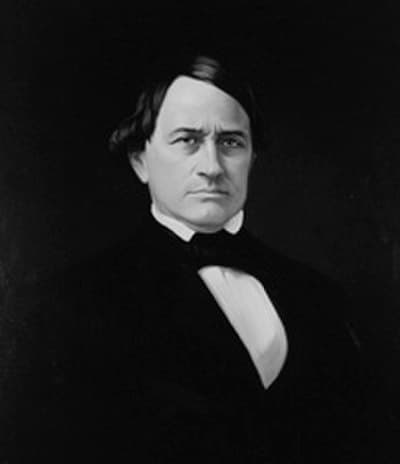
T. W. Speight
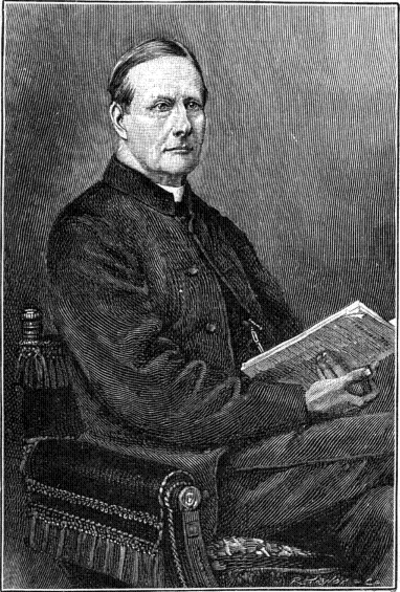
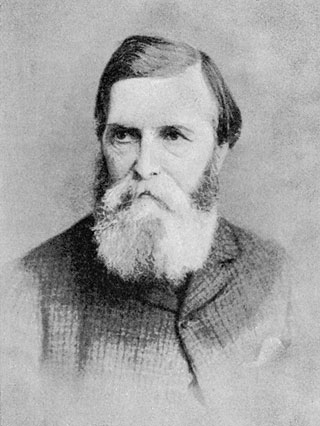
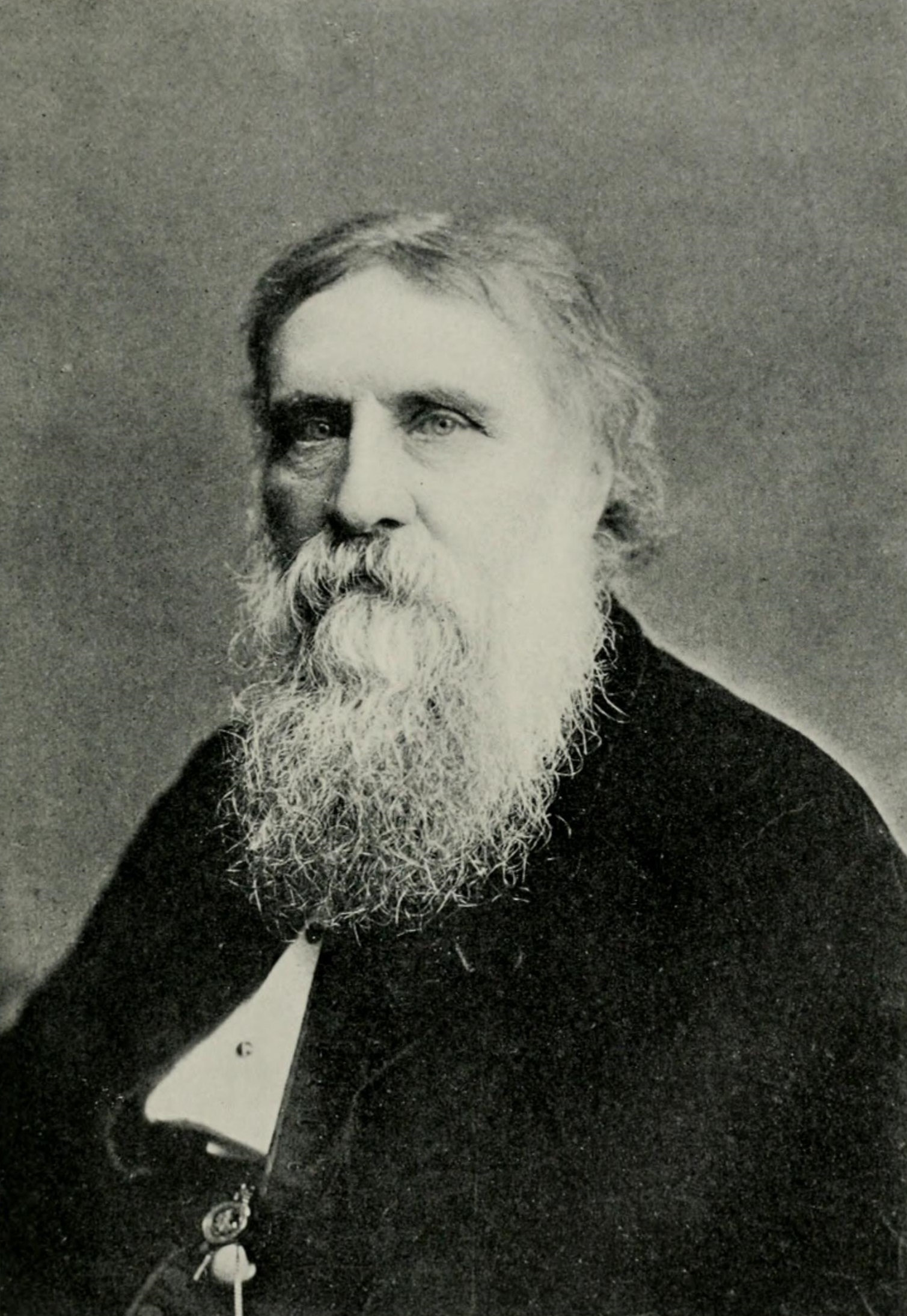
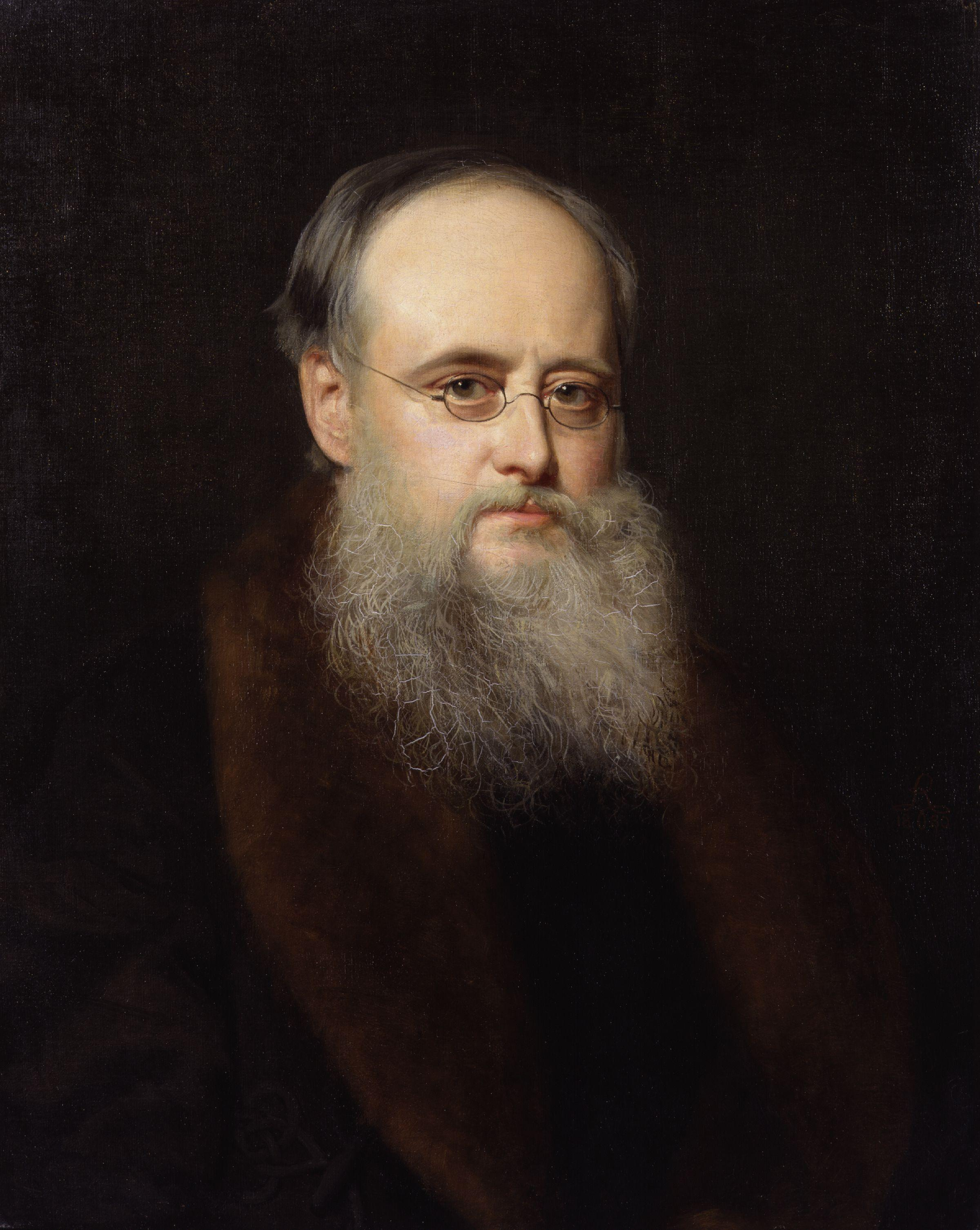
T. W. Speight was a British novelist and playwright known for his contributions to the genre of popular fiction in the late 19th and early 20th centuries. Born in 1830, Speight began his career as a writer in the 1860s, gaining prominence for his engaging narratives and vivid characterizations. His works often explored themes of love, social class, and morality, reflecting the complexities of Victorian society. Among his notable novels are "The Sandalwood Box," which delves into the intricacies of human relationships, and "The Mysteries of the Court of London," a sensational tale that captivated readers with its blend of intrigue and romance. Speight's literary significance lies in his ability to weave compelling stories that resonated with the public, making him a popular figure of his time. His writing style combined elements of melodrama and realism, appealing to a broad audience and influencing the development of popular literature in the era. Though not as widely remembered today, Speight's works contributed to the rich tapestry of Victorian literature, showcasing the era's social dynamics and the evolving role of women in society. He passed away in 1915, leaving behind a legacy of engaging narratives that reflected the spirit of his time.
Books from the author




Link to this page
Add a free, dofollow link to Lex on your blog, forum, syllabus, or reading list.

<a href="https://lex-books.com/author/t-w-speight"><img src="https://lex-books.com/badges/read-on-lex.svg" alt="T. W. Speight on Lex" width="160" height="40"></a>[](https://lex-books.com/author/t-w-speight)[url=https://lex-books.com/author/t-w-speight][img]https://lex-books.com/badges/read-on-lex.svg[/img][/url]T. W. Speight on Lex: https://lex-books.com/author/t-w-speight