John Bowe
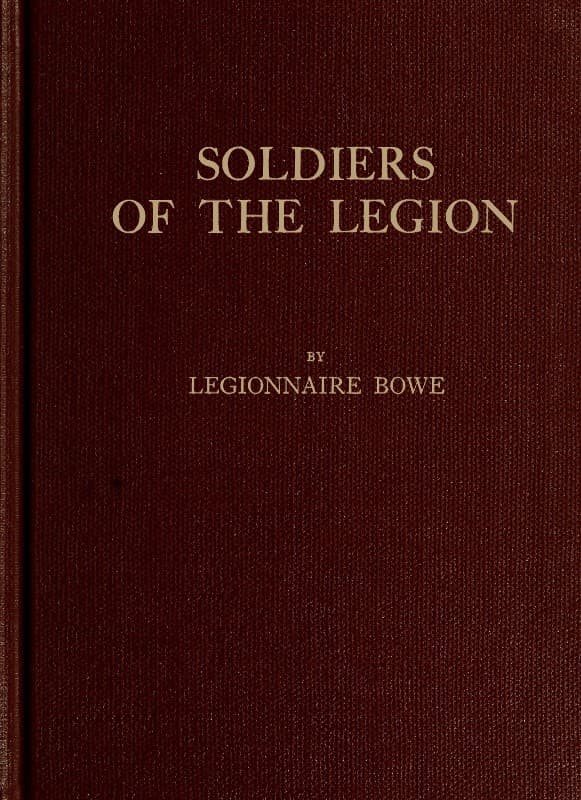
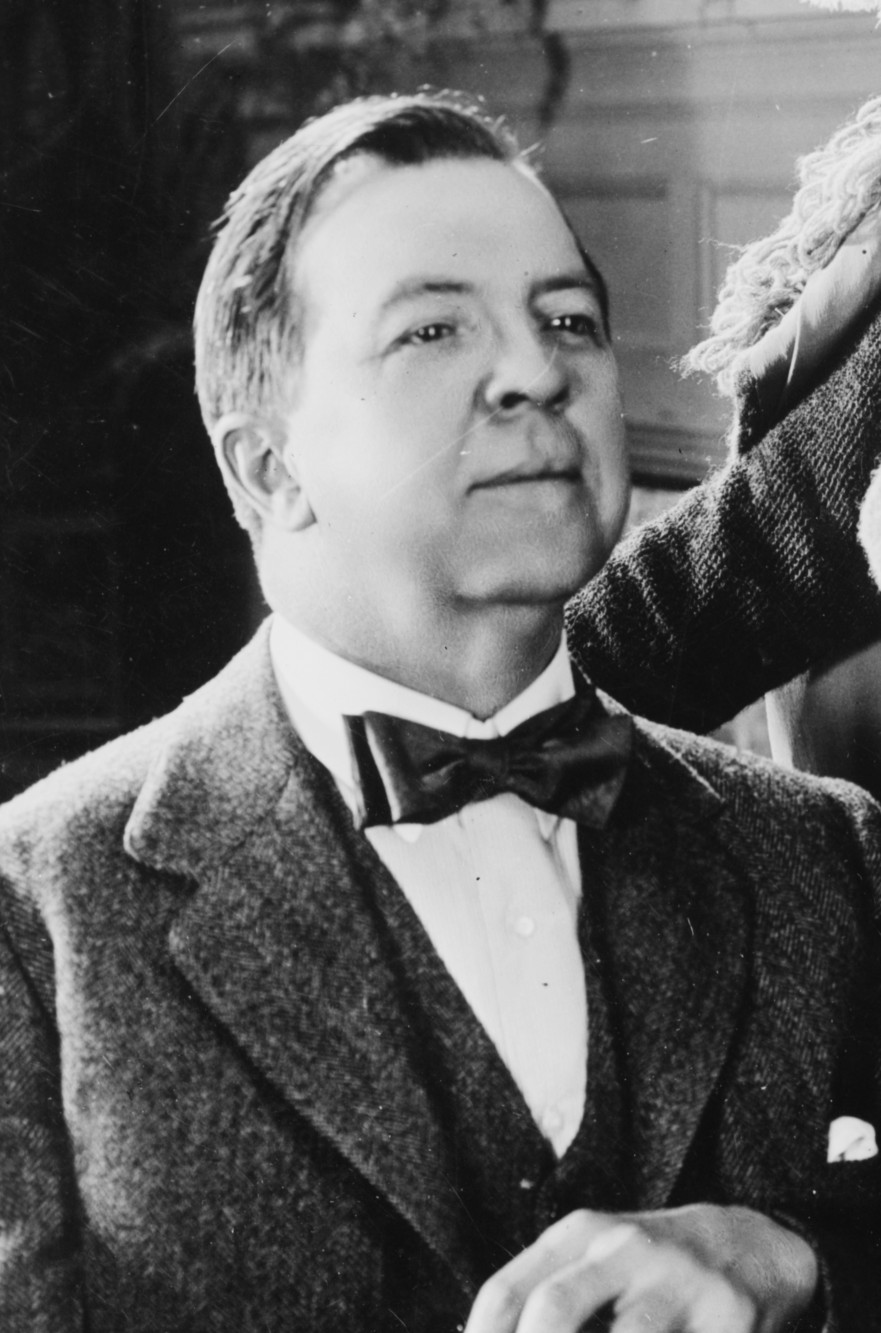
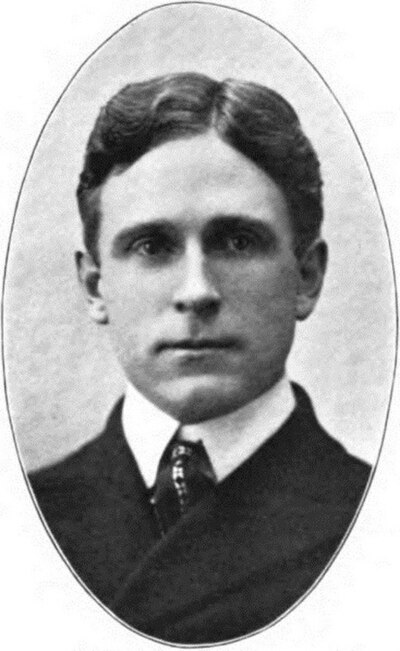
John Bowe was an American author and journalist known for his poignant exploration of the human experience during times of conflict. His notable work, 'Soldiers of the Legion, Trench-Etched,' reflects the harrowing realities faced by soldiers in World War I, capturing the psychological and emotional toll of warfare. Bowe's writing is characterized by its vivid imagery and deep empathy for his subjects, offering readers a glimpse into the lives of those who served in the trenches. Throughout his career, Bowe contributed to the understanding of the soldier's plight, emphasizing themes of sacrifice, camaraderie, and the often-overlooked aftermath of war. His literary contributions not only document a significant historical period but also resonate with the universal struggles of humanity in the face of adversity. Bowe's legacy endures through his ability to articulate the complexities of war and its impact on the individual, making him a significant figure in American literature of the early 20th century.
Famous Quotes
View all 3 quotes“Kahan devised a theory he calls “identity-protective cognition,” suggesting that when forced to choose between factual truth and group identity, most people choose the latter. “Individuals,” he concluded, “subconsciously resist factual information that threatens their defining values.” The problem wasn’t that people are dumb, irrational, or even superficial, as I’d formerly assumed. We’ve simply evolved—as a species—in a different way than I’d imagined. “Once group loyalties are engaged,” Haidt says, “you can’t change people’s mind by refuting their arguments.”
“Your data might be convincing, but if you’re not engaged with it, why not just email a spreadsheet? Tell your audience how you feel and why it matters.”
“But every decision you make about your speech must demonstrate that you’re talking for their benefit, not yours. As you proceed through the different parts of your speech, explain at every transition where you are: I’ve told you now about how we eat noodles in Texas. Now I’m going to tell you about how those crazy Luxembourgers eat noodles! If it seems inefficient to waste precious time talking about how you’re talking, instead of using every available second to transmit your message itself, consider the age-old adage, “Tell ’em what you’re gonna tell ’em; tell ’em; then tell ’em that you told ’em.” To return once more to Aristotle, public speaking has less to do with conveying information than it does with demonstrating credibility.”
Books from the author





Link to this page
Add a free, dofollow link to Lex on your blog, forum, syllabus, or reading list.

<a href="https://lex-books.com/author/john-bowe"><img src="https://lex-books.com/badges/read-on-lex.svg" alt="John Bowe on Lex" width="160" height="40"></a>[](https://lex-books.com/author/john-bowe)[url=https://lex-books.com/author/john-bowe][img]https://lex-books.com/badges/read-on-lex.svg[/img][/url]John Bowe on Lex: https://lex-books.com/author/john-bowe