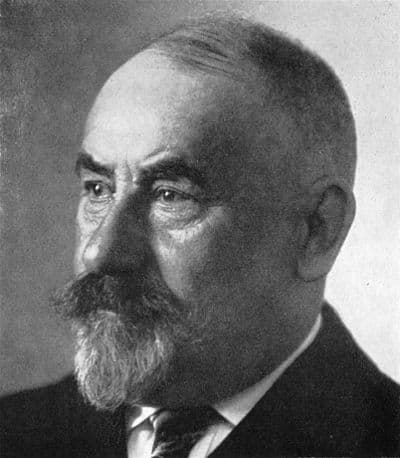
Johannes Schlaf
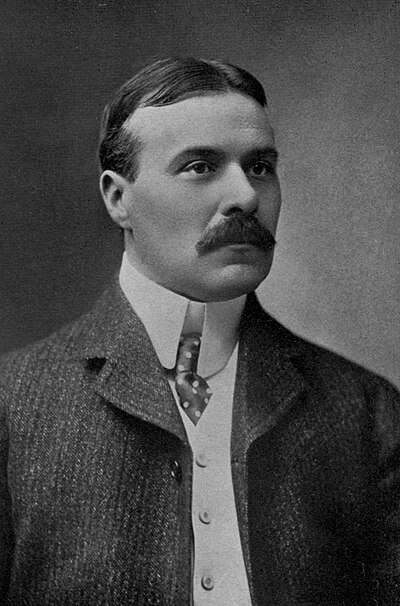
Johannes Schlaf was a pivotal figure in German literature, known for his contributions as a playwright, author, and translator, particularly within the Naturalist movement. Born in Querfurt, he played a crucial role in introducing the German-speaking audience to the works of influential writers such as Walt Whitman, Émile Verhaeren, and Émile Zola, effectively founding the 'Whitman Cult' in Germany. Schlaf's literary innovations included the development of 'sequential naturalism' and the formalization of literary impressionism, which significantly impacted the landscape of German theater and literature. He was also instrumental in the rise of the 'intimate theater,' a form that emphasized personal and emotional narratives. In addition to his theatrical work, Schlaf's poetry garnered attention, with some of his pieces being set to music by renowned composers like Alban Berg and Arnold Schoenberg. His 1906 novel, titled 'The Third Reich,' has often been misattributed as the origin of the term associated with Nazism, although its later popularization stemmed from Arthur Moeller van den Bruck's 1923 work. Despite this confusion, Schlaf's legacy as a literary innovator and translator remains significant, marking him as an essential figure in the evolution of modern German literature.
Books from the author




Link to this page
Add a free, dofollow link to Lex on your blog, forum, syllabus, or reading list.

<a href="https://lex-books.com/author/johannes-schlaf"><img src="https://lex-books.com/badges/read-on-lex.svg" alt="Johannes Schlaf on Lex" width="160" height="40"></a>[](https://lex-books.com/author/johannes-schlaf)[url=https://lex-books.com/author/johannes-schlaf][img]https://lex-books.com/badges/read-on-lex.svg[/img][/url]Johannes Schlaf on Lex: https://lex-books.com/author/johannes-schlaf