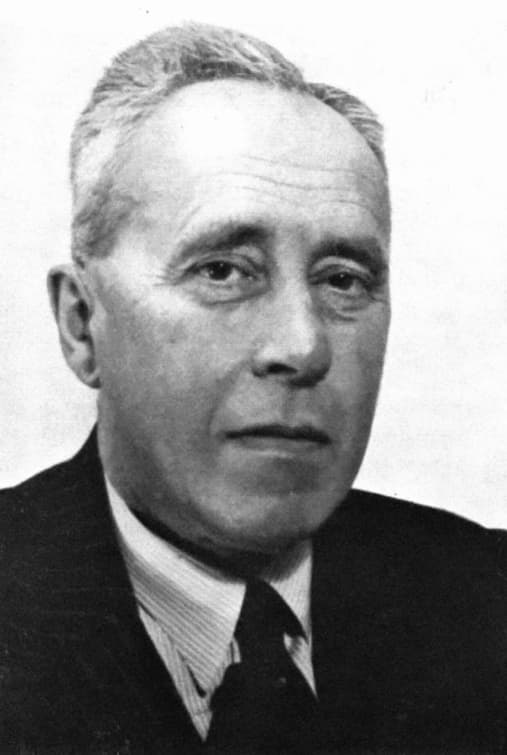
Johan Huizinga
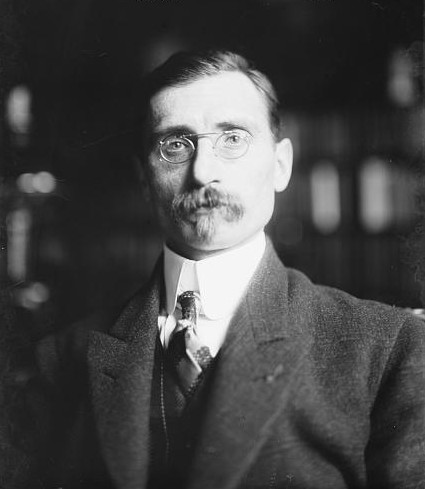
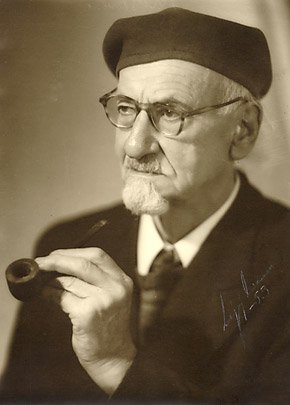
Johan Huizinga was a prominent Dutch historian renowned for his pioneering contributions to cultural history. Born in the Netherlands, he developed a keen interest in the interplay between culture and history, which culminated in his influential works. His most notable book, 'The Waning of the Middle Ages,' published in 1919, offered a vivid portrayal of the cultural and social life in late medieval Europe, emphasizing the significance of cultural context in historical analysis. Huizinga's exploration of the medieval mindset and its artistic expressions laid the groundwork for future historians to consider cultural factors in their studies. In addition to his historical writings, Huizinga was also a notable thinker in the fields of philosophy and sociology. His later work, 'Homo Ludens,' published in 1938, examined the role of play in culture and society, arguing that play is a fundamental aspect of human civilization. Huizinga's interdisciplinary approach and his ability to weave together history, culture, and philosophy have left a lasting impact on the field of cultural history. His legacy endures as a foundational figure who encouraged historians to explore the deeper cultural meanings behind historical events.
Famous Quotes
View all 2 quotes“If a serious statement is defined as one that may be made in terms of waking life, poetry will never rise to the level of seriousness. It lies beyond seriousness, on that more primitive and original level where the child, the animal, the savage, and the seer belong, in the region of dream, enchantment, ecstasy, laughter. To understand poetry we must be capable of donning the child's soul like a magic cloak and of forsaking man's wisdom for the child's.”
“Our point of departure must be the conception of an almost childlike play-sense expressing itself in various play-forms, some serious, some playful, but all rooted in ritual and productive of culture by allowing the innate human need of rhythm, harmony, change, alternation, contrast and climax, etc., to unfold in full richness.”
Books from the author





Link to this page
Add a free, dofollow link to Lex on your blog, forum, syllabus, or reading list.

<a href="https://lex-books.com/author/johan-huizinga"><img src="https://lex-books.com/badges/read-on-lex.svg" alt="Johan Huizinga on Lex" width="160" height="40"></a>[](https://lex-books.com/author/johan-huizinga)[url=https://lex-books.com/author/johan-huizinga][img]https://lex-books.com/badges/read-on-lex.svg[/img][/url]Johan Huizinga on Lex: https://lex-books.com/author/johan-huizinga