
Jane Ellen Harrison
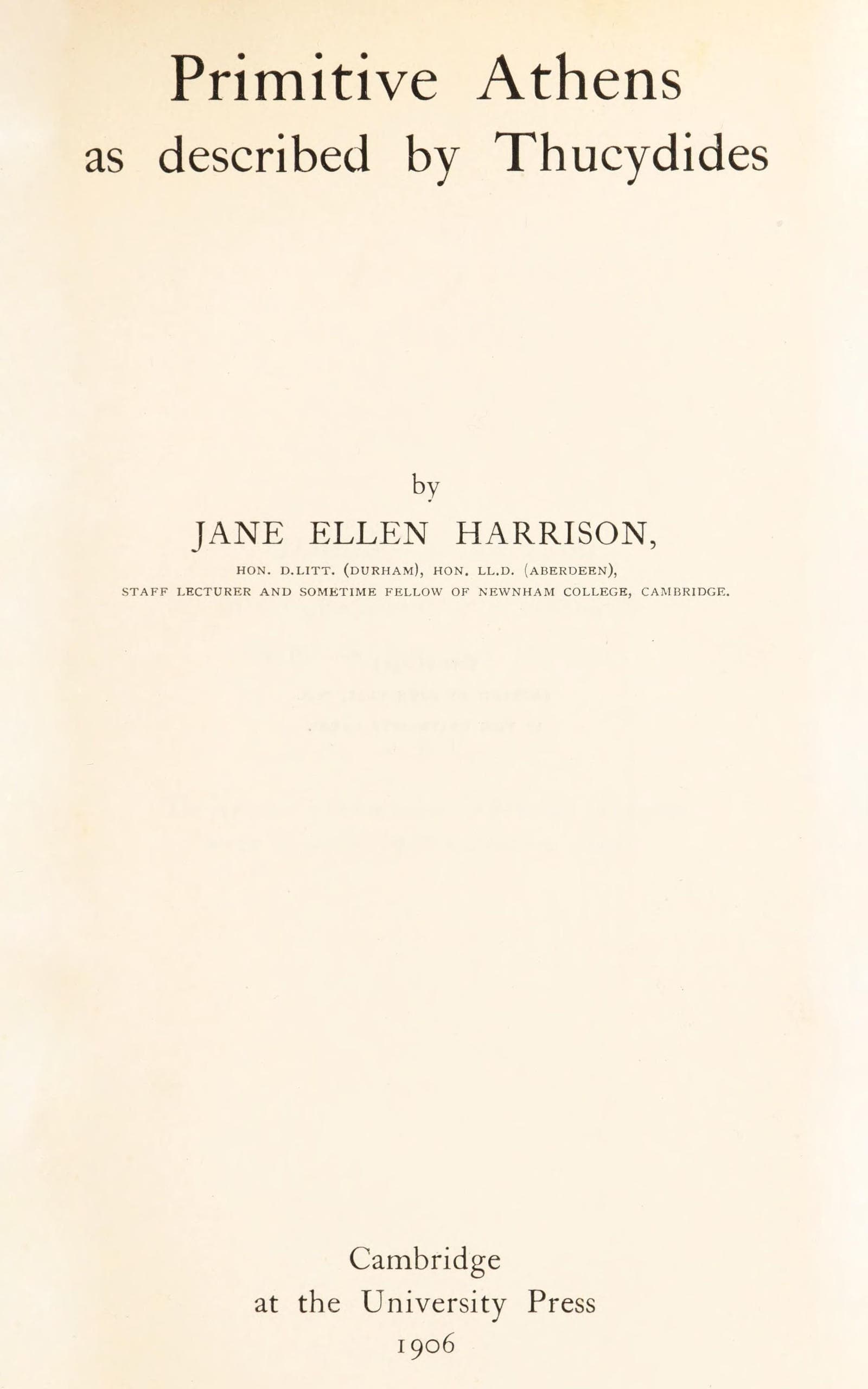
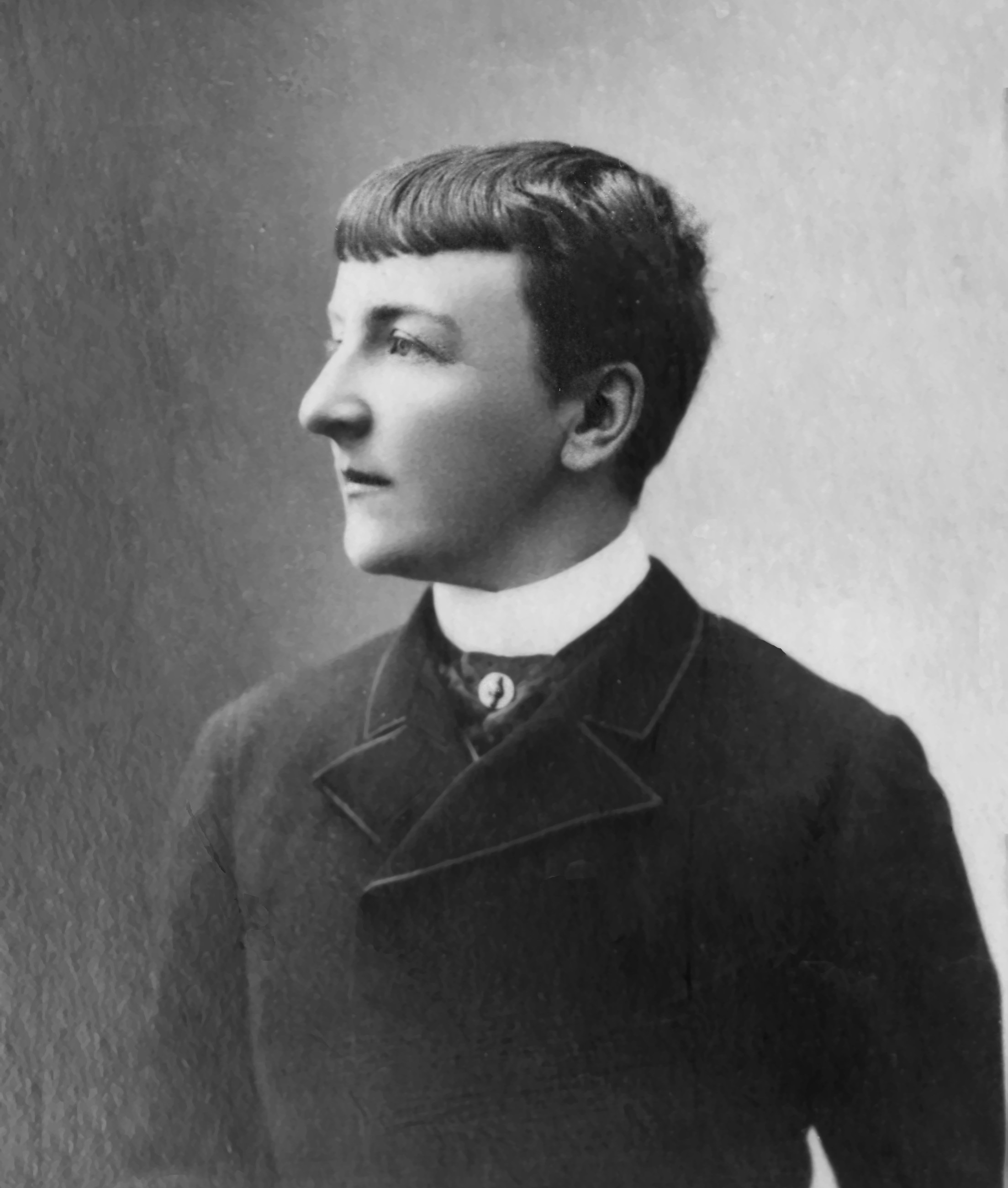
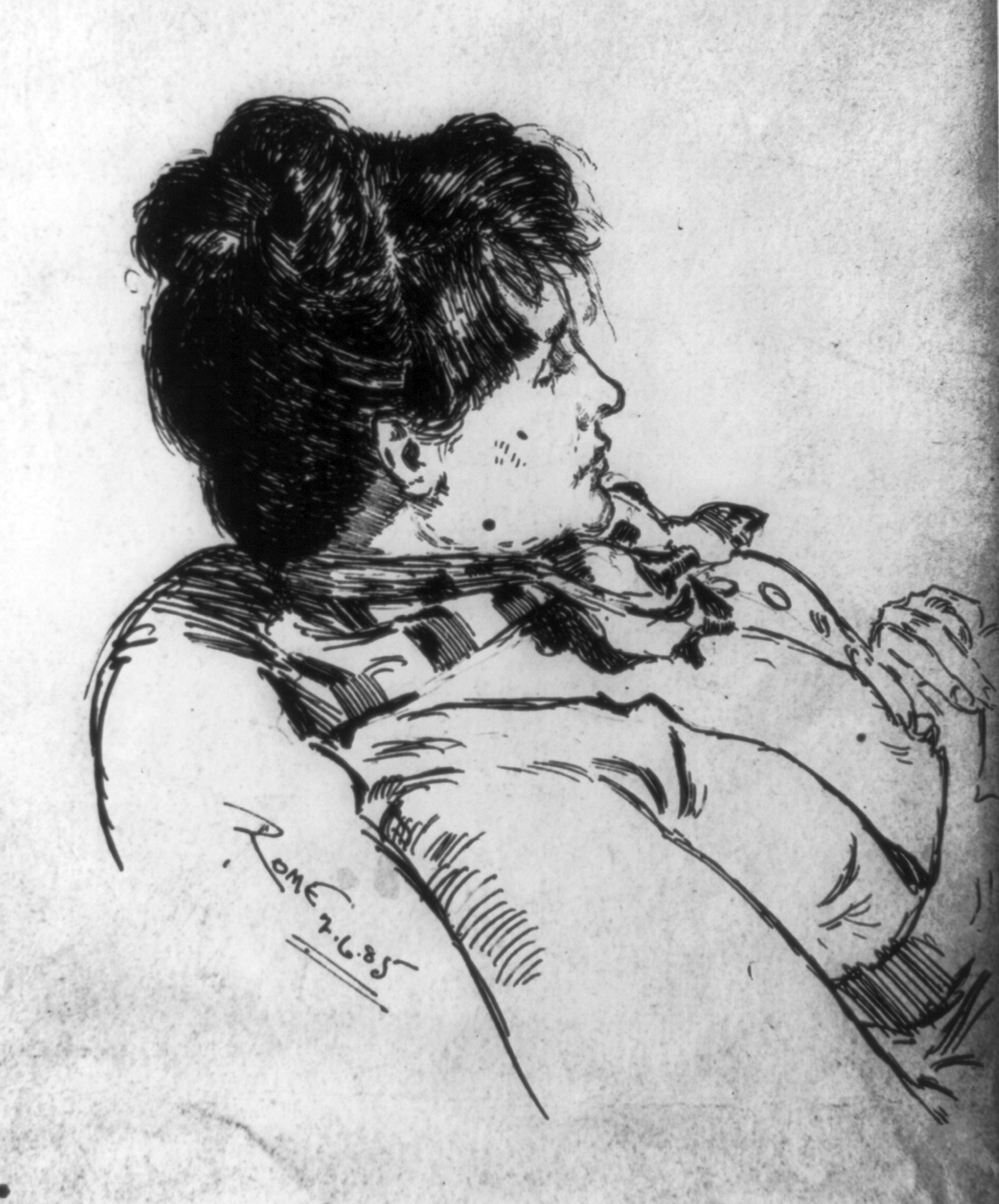
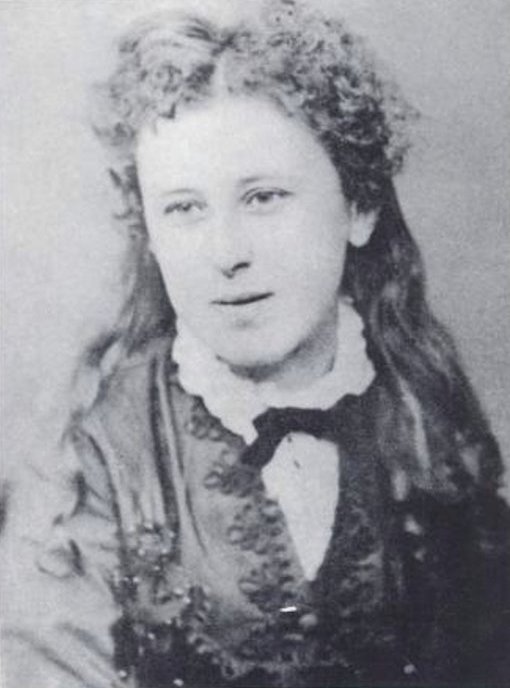
Jane Ellen Harrison was a pioneering British classical scholar and linguist whose work fundamentally shaped the study of Ancient Greek religion and mythology. As one of the founders of modern scholarship in this field, she utilized 19th-century archaeological discoveries to reinterpret ancient Greek religious practices, establishing methodologies that remain influential today. Harrison's seminal work, 'Prolegomena to Greek Religion,' not only advanced academic discourse but also inspired notable literary figures such as T. S. Eliot, Virginia Woolf, and Hilda Doolittle, highlighting her impact beyond the confines of academia. In addition to her scholarly contributions, Harrison was a trailblazer for women in academia, becoming the first woman in England to secure a career academic position. Her advocacy for women's suffrage, although complex—she believed she would never want to vote herself—reflected her commitment to social progress. Harrison's friendships with contemporaries like Ellen Wordsworth Crofts and Eugénie Sellers Strong further enriched her intellectual landscape, although her relationship with Strong ended dramatically, marking a significant turning point in her life. Through her innovative approach, Harrison not only deepened the understanding of Greek drama's primitive ritual origins but also laid the groundwork for the Cambridge ritualists, ensuring her legacy as a foundational figure in classical anthropology and feminist scholarship.
Famous Quotes
View all 3 quotes“Greek writers of the fifth century B.C. have a way of speaking of, an attitude towards, religion, as though it were wholly a thing of joyful confidence, a friendly fellowship with the gods, whose service is but a high festival for man. In Homer sacrifice is but, as it were, the signal for a banquet of abundant roast flesh and sweet wine; we hear nothing of fasting, of cleansing, and atonement. This we might perhaps explain as part of the general splendid unreality of the heroic saga, but sober historians of the fifth century B.C. express the same spirit. Thucydides is assuredly by nature no reveller, yet religion is to him in the main 'a rest from toil.' He makes Pericles say: 'Moreover we have provided for our spirit very many opportunities of recreation, by the celebration of games and sacrifices throughout the year.”
“Life does not cease when you are old, it only suffers a rich change. You go on loving, only your love, instead of a burning, fiery furnace, is the mellow glow of an autumn sun.”
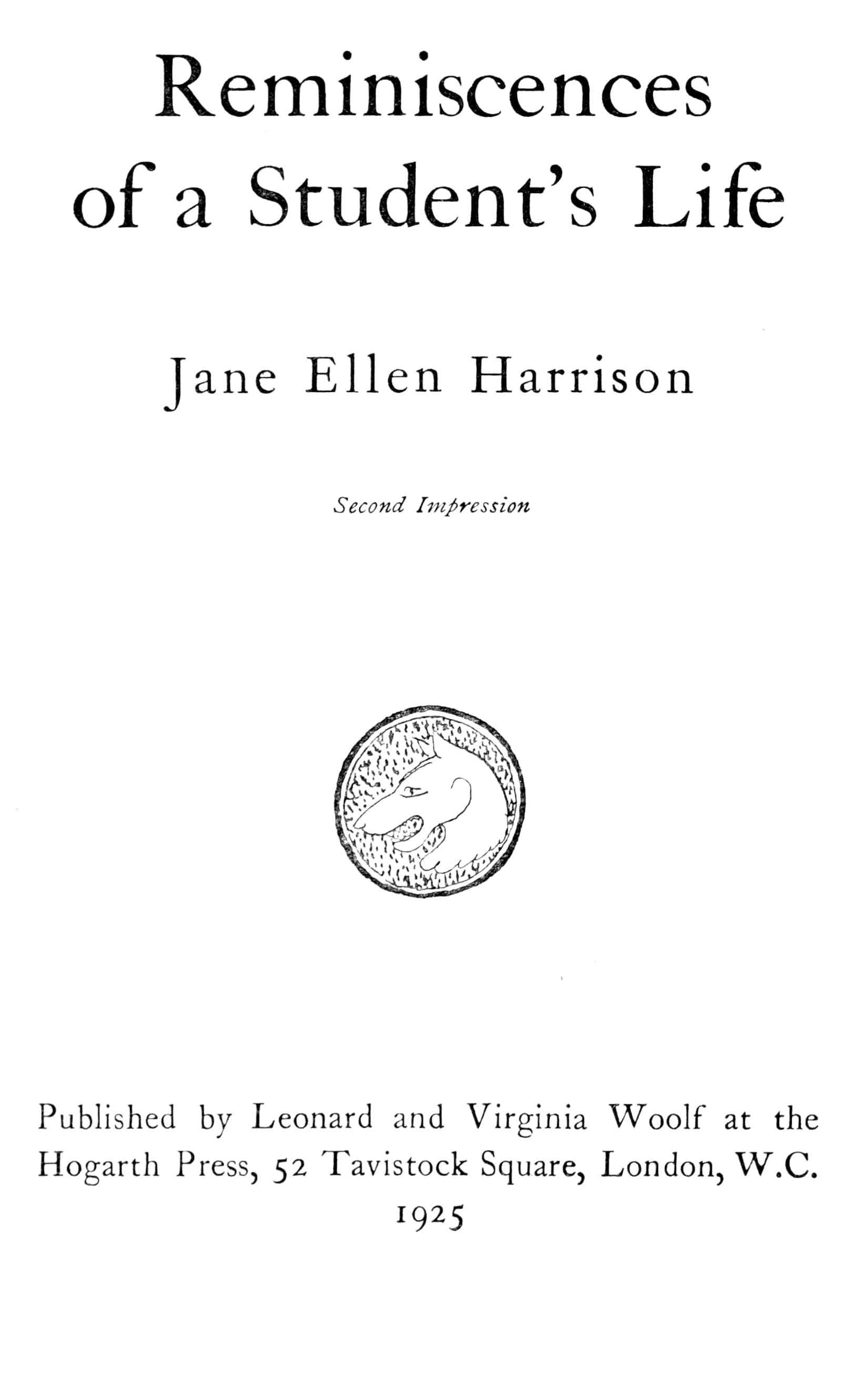
“Nowadays it seems you learn only what is reasonable and relevant. I went to Rome with a young friend, educated on the latest lines, and who had taken historical honours at Cambridge. The first morning the pats of butter came up stamped with the Twins. “ Good old Romulus and Remus,” said I. “ Good old who? ” said she. She had never heard of the Twins and was much bored when I told her the story; they had no place in “ con¬ stitutional history ”, and for her the old wolf of the Capitol howled in vain: “ Great God! I’d rather be ”!”
Books from the author







Link to this page
Add a free, dofollow link to Lex on your blog, forum, syllabus, or reading list.

<a href="https://lex-books.com/author/jane-ellen-harrison"><img src="https://lex-books.com/badges/read-on-lex.svg" alt="Jane Ellen Harrison on Lex" width="160" height="40"></a>[](https://lex-books.com/author/jane-ellen-harrison)[url=https://lex-books.com/author/jane-ellen-harrison][img]https://lex-books.com/badges/read-on-lex.svg[/img][/url]Jane Ellen Harrison on Lex: https://lex-books.com/author/jane-ellen-harrison