James Williams
James Williams was a British poet and legal scholar, known for his unique blend of legal themes and poetic expression. His works often reflected his deep understanding of law and its implications on society, making him a distinctive voice in the literary landscape of his time. Among his notable contributions are 'Briefless Ballads and Legal Lyrics, Second Series,' which showcases his ability to infuse humor and wit into the often dry subject of legal matters, and 'Dante as a Jurist,' where he explored the intersections of law and literature through the lens of Dante Alighieri's works. Williams's poetry is characterized by its clever wordplay and insightful commentary on the legal profession, providing both entertainment and critique. His ability to engage with complex legal concepts while maintaining a poetic form set him apart from his contemporaries. Although not as widely recognized today, his contributions to legal literature and poetry reflect a unique perspective that continues to resonate with those interested in the interplay between law and the arts. Williams's legacy lies in his innovative approach to legal themes, making them accessible and engaging to a broader audience.
Famous Quotes
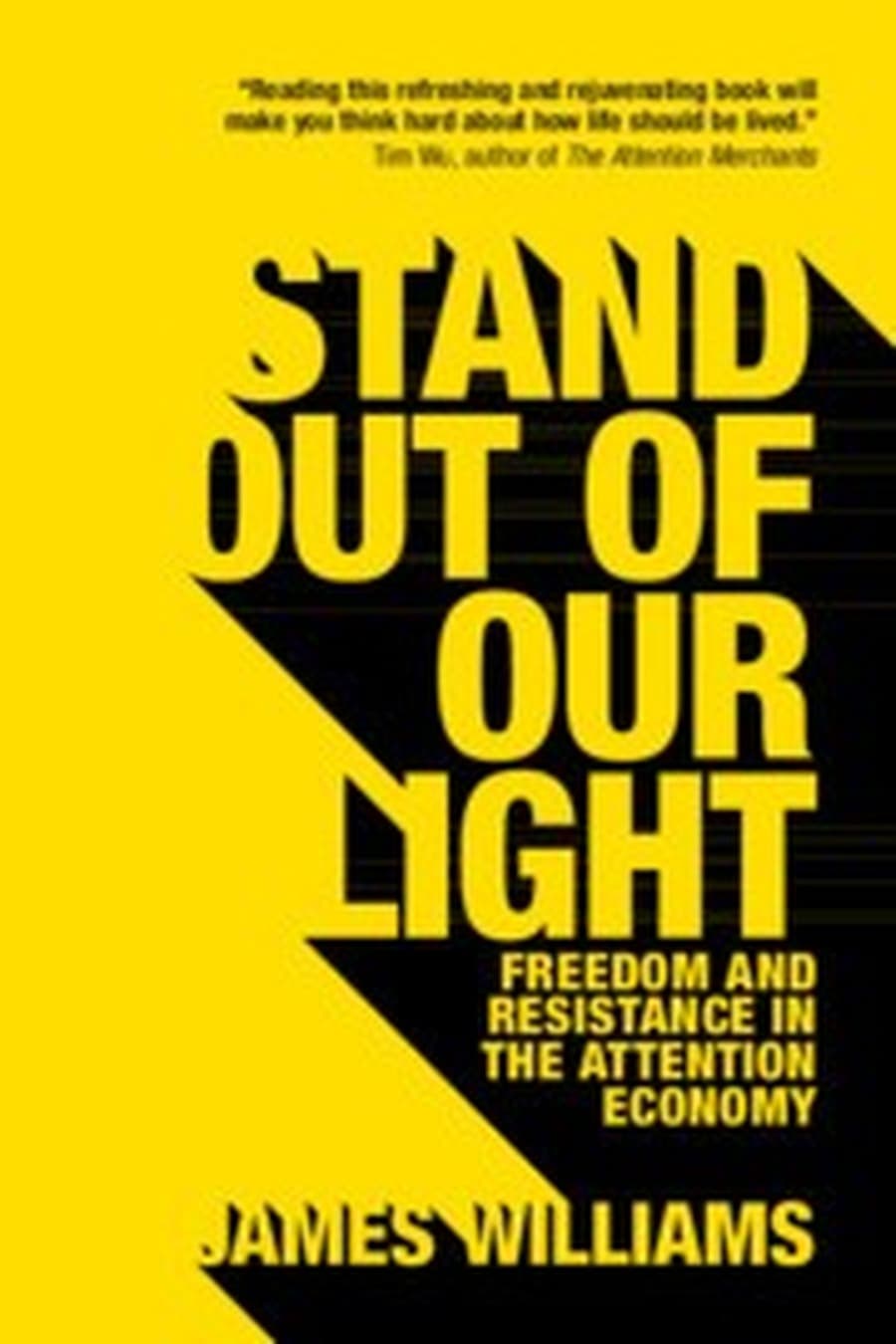
View all 3 quotes“Instead of your goals, success from their perspective is usually defined in the form of low-level “engagement” goals, as they’re often called. These include things like maximizing the amount of time you spend with their product, keeping you clicking or tapping or scrolling as much as possible, or showing you as many pages or ads as they can. A peculiar”
“Here’s the problem: Many of the systems we’ve developed to help guide our lives–systems like news, education, law, advertising, and so on–arose in, and still assume, an environment of information scarcity. We’re only just beginning to explore what these systems should do for us, and how they need to change, in this new milieu of information abundance.”
“it’s not the prospect of a “boot stamping on a human face – forever” that should keep us up at night, but rather the specter of a situation in which “people will come to love their oppression, to adore the technologies that undo their capacities to think.”6 A thumb scrolling through an infinite feed, forever.”
Books from the author









Link to this page
Add a free, dofollow link to Lex on your blog, forum, syllabus, or reading list.

<a href="https://lex-books.com/author/james-williams"><img src="https://lex-books.com/badges/read-on-lex.svg" alt="James Williams on Lex" width="160" height="40"></a>[](https://lex-books.com/author/james-williams)[url=https://lex-books.com/author/james-williams][img]https://lex-books.com/badges/read-on-lex.svg[/img][/url]James Williams on Lex: https://lex-books.com/author/james-williams