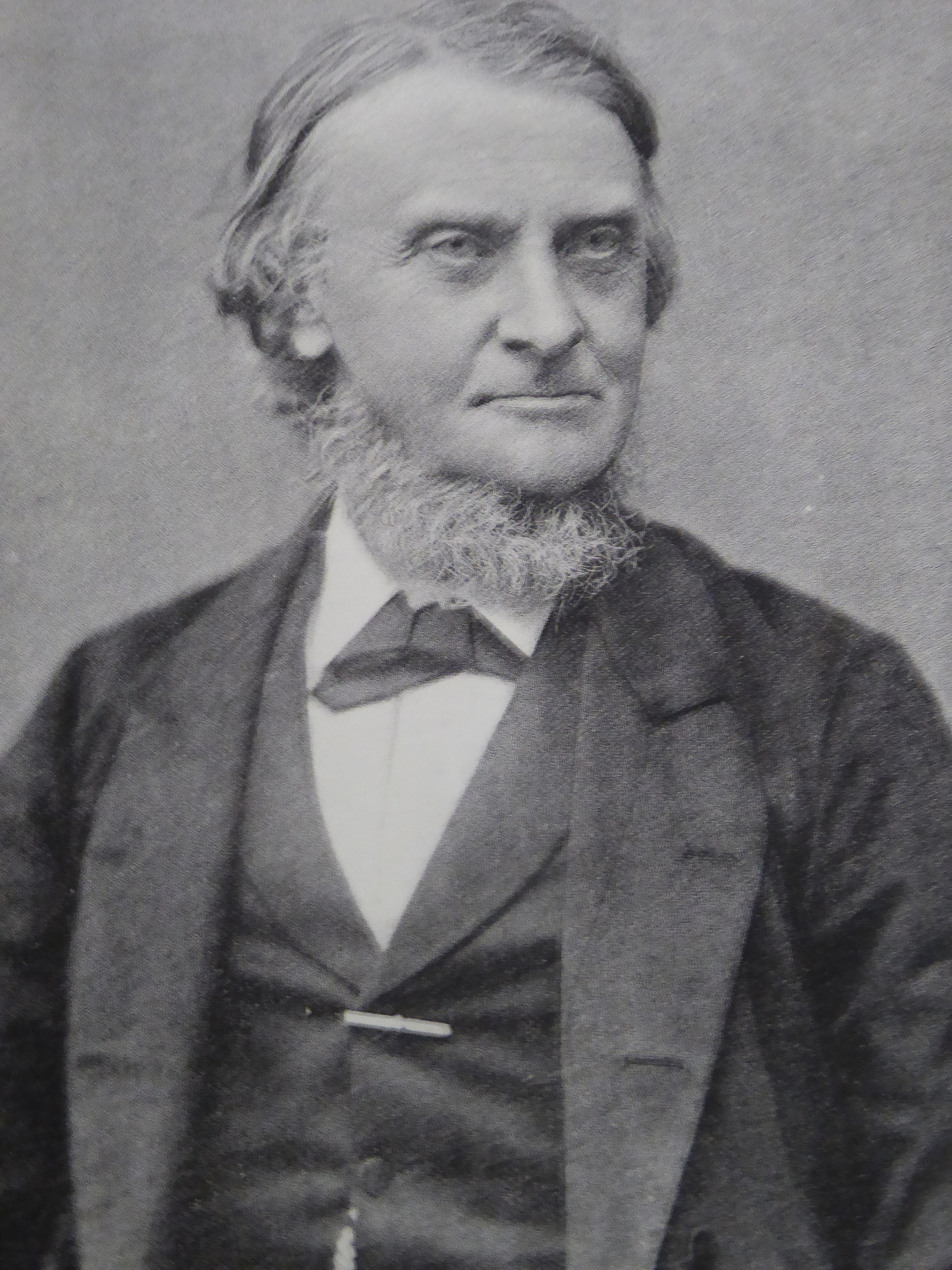
James Stalker
James Stalker was a Scottish theologian and author, renowned for his contributions to Christian literature and preaching. He was particularly noted for his biographical works that explored the lives of significant biblical figures. His most celebrated work, 'The Life of St. Paul,' offered an in-depth examination of the Apostle Paul's life and teachings, blending historical context with spiritual insight. This work not only provided a narrative of Paul's journeys but also highlighted the theological implications of his ministry, making it a vital resource for both scholars and lay readers alike. In addition to his biography of St. Paul, Stalker authored 'The Trial and Death of Jesus Christ: A Devotional History of Our Lord's Passion,' which presented a detailed account of the events leading to the crucifixion of Jesus, emphasizing their significance in Christian faith. His lectures compiled in 'The Preacher and His Models' reflect his commitment to effective preaching and the importance of models in homiletics, showcasing his influence on the practice of preaching in the late 19th century. Stalker's works continue to be valued for their theological depth and historical accuracy, securing his legacy as a significant figure in the realm of Christian literature.
Famous Quotes
View all 3 quotes“If a man turns his back on Christ when He speaks, the hour will come when he will ask and receive no answer.”
“These are the things that gave [Jesus] such faith and fearlessness in His work. He knew that the call to do it had come from God, and He knew that He was immortal until it was done. This was what made Him, with all His self-consciousness and originality, the pattern of meekness and submission, for He was forever bringing every thought and wish into obedience to His Father’s will. This was the secret of the peace and majestic calmness that imparted such a stateliness to His demeanour in the most difficult hours of life. He knew that the worst that could happen to Him was His Father’s will for Him, and that was enough.”
“There is no more critical test of theologies and theologians than the question what message they have to a dying person whose sins are unforgiven. If the salvation which a preacher has to offer is only a course of moral improvement, what can he have to say in such a place?”
Books from the author








Link to this page
Add a free, dofollow link to Lex on your blog, forum, syllabus, or reading list.

<a href="https://lex-books.com/author/james-stalker"><img src="https://lex-books.com/badges/read-on-lex.svg" alt="James Stalker on Lex" width="160" height="40"></a>[](https://lex-books.com/author/james-stalker)[url=https://lex-books.com/author/james-stalker][img]https://lex-books.com/badges/read-on-lex.svg[/img][/url]James Stalker on Lex: https://lex-books.com/author/james-stalker