Abraham Lincoln
Abraham Lincoln
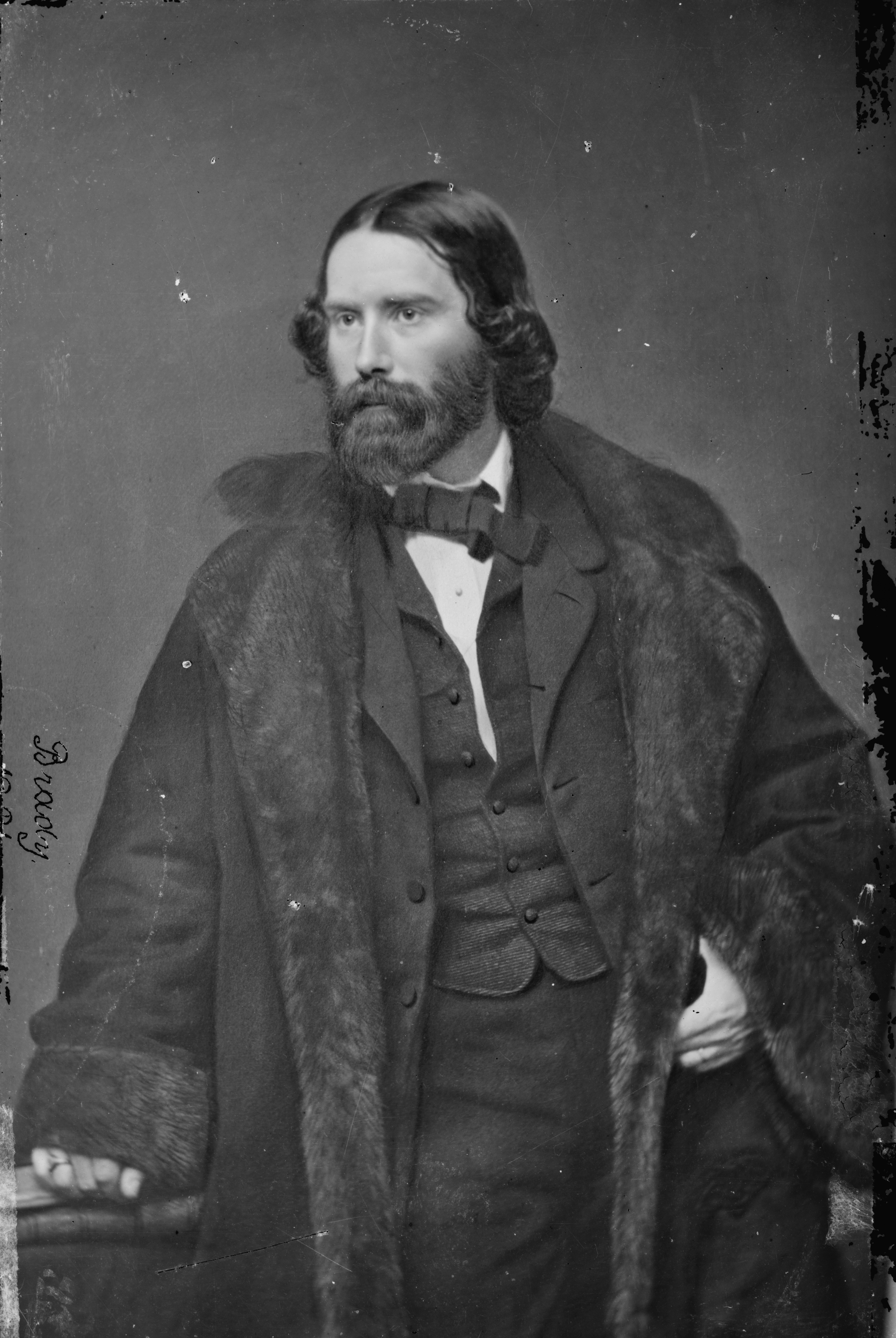
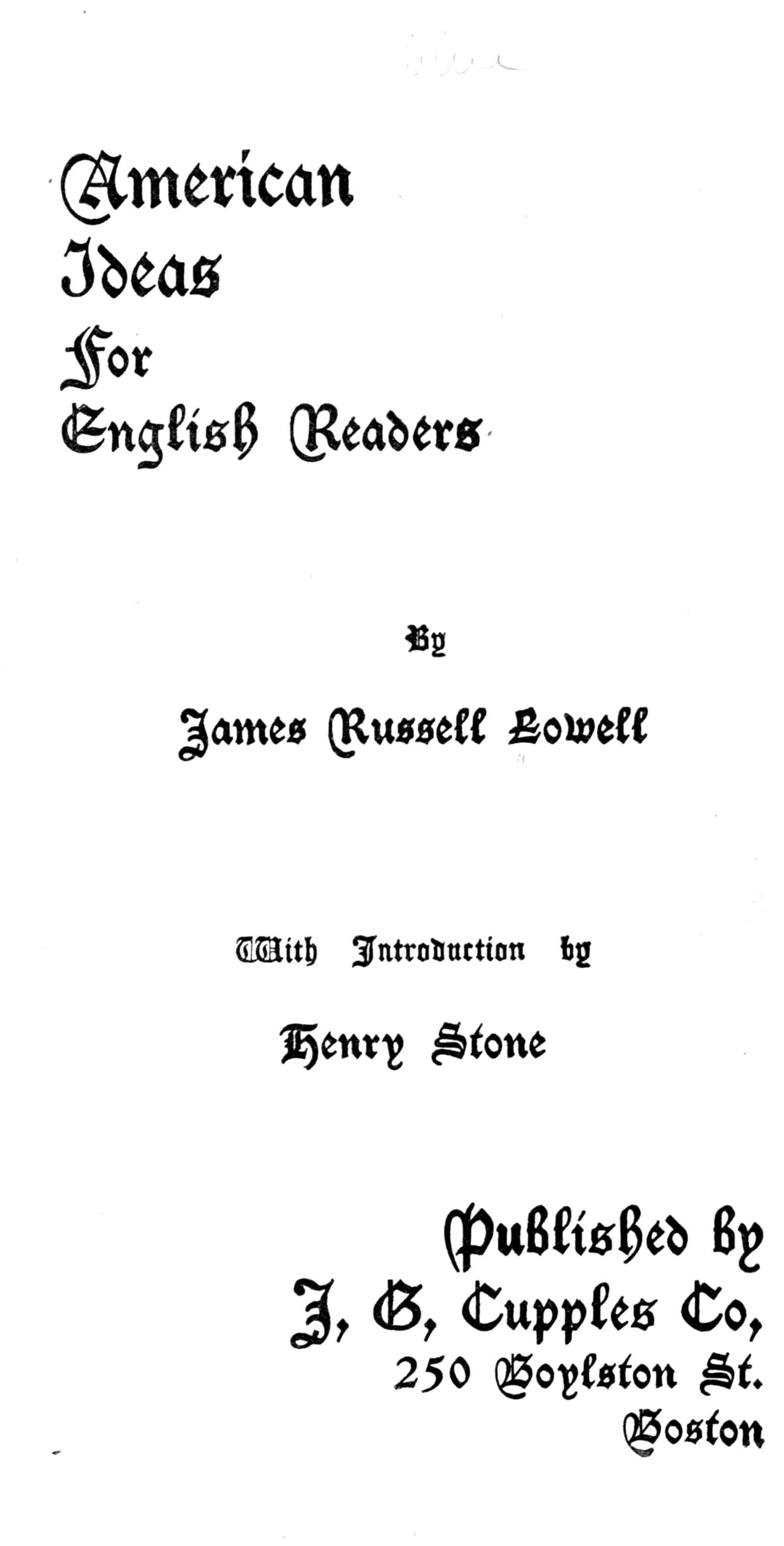
Abraham Lincoln, written by James Russell Lowell in the mid-19th century, is a detailed biography that reflects on Lincoln's presidency during the American Civil War. The book examines his leadership, political challenges, and the moral complexities surrounding slavery and national unity. Lowell portrays Lincoln as a principled statesman who navigated an unprecedented crisis while maintaining public hope and commitment to democratic ideals. This work serves as both a tribute to Lincoln's character and a commentary on the societal struggles of his time.
Editions
X-Ray
“On Lincoln: "A profound common sense is the best genius for statesmanship.””
— James Russell Lowell
“of courage and security from every sod of it would have evaporated beyond recall. We should be irrevocably cut””
— James Russell Lowell
“One secret of Mr. Lincoln’s remarkable success in captivating the popular mind is undoubtedly an unconsciousness of self which enables him, though under the necessity of constantly using the capital I, to do it without any suggestion of egotism.””
— James Russell Lowell
“Mr. Lincoln’s faith in God was qualified by a very well-founded distrust of the wisdom of man.””
— James Russell Lowell
“Among the lessons taught by the French Revolution there is none sadder or more striking than this, that you may make everything else out of the passions of men except a political system that will work, and that there is nothing so pitilessly and unconsciously cruel as sincerity formulated into dogma.””
— James Russell Lowell
“(Lincoln's) experience as a lawyer compelled him not only to see that there is a principle underlying every phenomenon in human affairs, but that there are always two sides to every question, both of which must be fully understood in order to understand either, and that it is of greater advantage to an advocate to appreciate the strength than the weakness of his antagonist’s position.””
— James Russell Lowell
“It was one of those periods of excitement, gathering, contagious, universal, which, while they last, exalt and clarify the minds of men, giving to the mere words country, human rights, democracy, a meaning and a force beyond that of sober and logical argument. They were convictions, maintained and defended by the supreme logic of passion. That penetrating fire ran in and roused those primary instincts that make their lair in the dens and caverns of the mind. What is called the great popular heart was awakened, that indefinable something which may be, according to circumstances, the highest reason or the most brutish unreason. But””
— James Russell Lowell
“Long habit had accustomed the American people to the notion of a party in power, and of a President as its creature and organ, while the more vital fact, that the executive for the time being represents the abstract idea of government as a permanent principle superior to all party and all private interest, had gradually become unfamiliar. They””
— James Russell Lowell
“The only faith that wears well and holds its color in all weathers is that which is woven of conviction and set with the sharp mordant of experience.””
— James Russell Lowell
Link to this book
Add a free, dofollow link to Lex on your blog, forum, syllabus, or reading list.

<a href="https://lex-books.com/book/abraham-lincoln-79b3fae8-f2e6-48db-8fce-1cc344074fea"><img src="https://lex-books.com/badges/read-on-lex.svg" alt="Read Abraham Lincoln by James Russell Lowell free on Lex" width="160" height="40"></a>[](https://lex-books.com/book/abraham-lincoln-79b3fae8-f2e6-48db-8fce-1cc344074fea)[url=https://lex-books.com/book/abraham-lincoln-79b3fae8-f2e6-48db-8fce-1cc344074fea][img]https://lex-books.com/badges/read-on-lex.svg[/img][/url]Read Abraham Lincoln by James Russell Lowell free on Lex: https://lex-books.com/book/abraham-lincoln-79b3fae8-f2e6-48db-8fce-1cc344074feaCite this book
Reading this edition for a paper or guide? Copy a citation.
Lowell, James Russell. Abraham Lincoln. Lex, lex-books.com/book/abraham-lincoln-79b3fae8-f2e6-48db-8fce-1cc344074fea.Lowell, J. R. (n.d.). Abraham Lincoln. Lex. https://lex-books.com/book/abraham-lincoln-79b3fae8-f2e6-48db-8fce-1cc344074feaLowell, James Russell. Abraham Lincoln. Lex. https://lex-books.com/book/abraham-lincoln-79b3fae8-f2e6-48db-8fce-1cc344074fea.