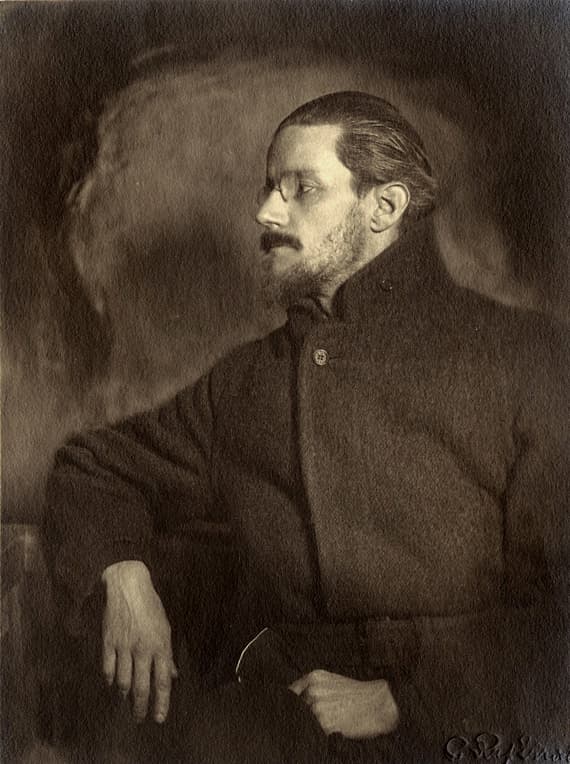
James Joyce
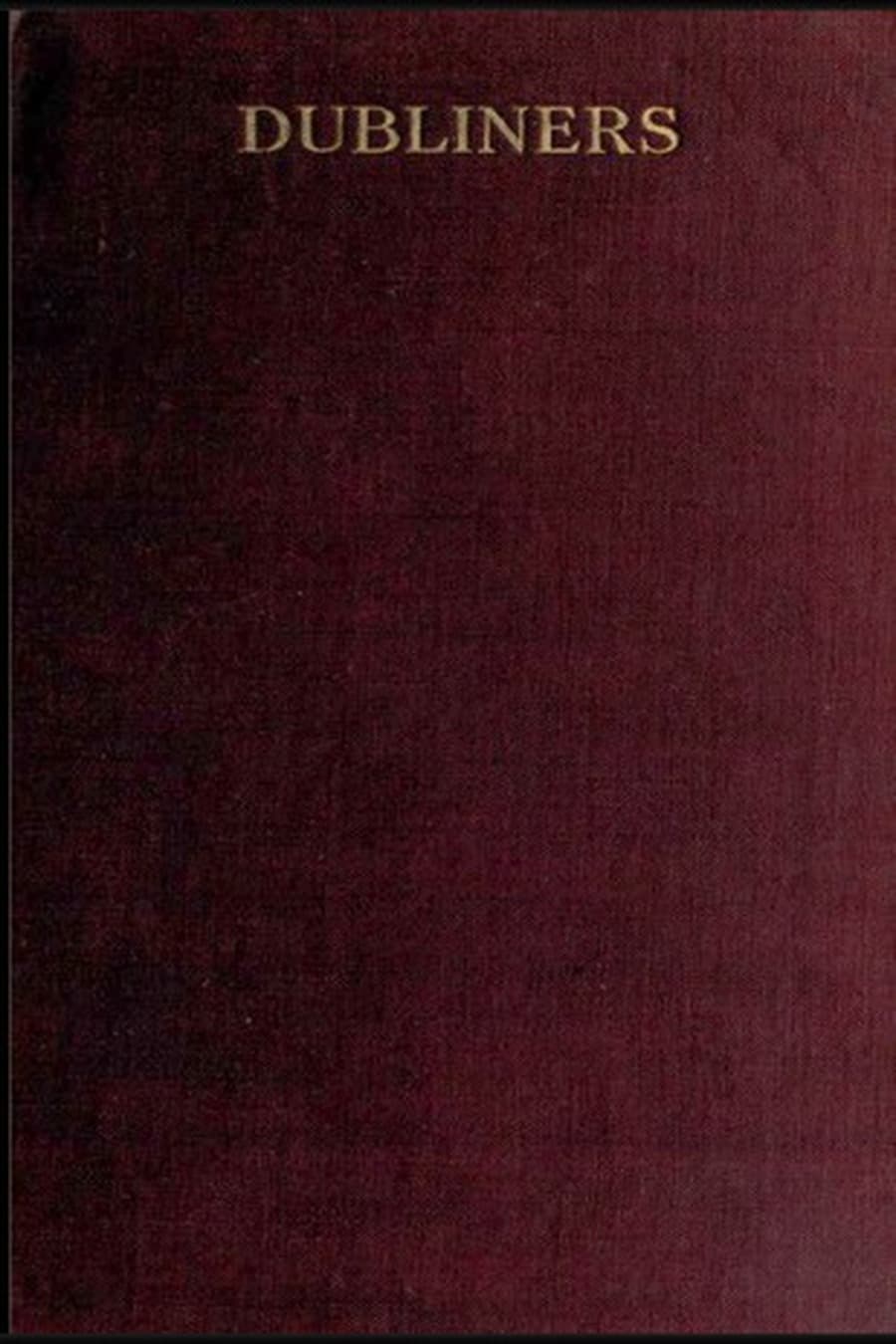
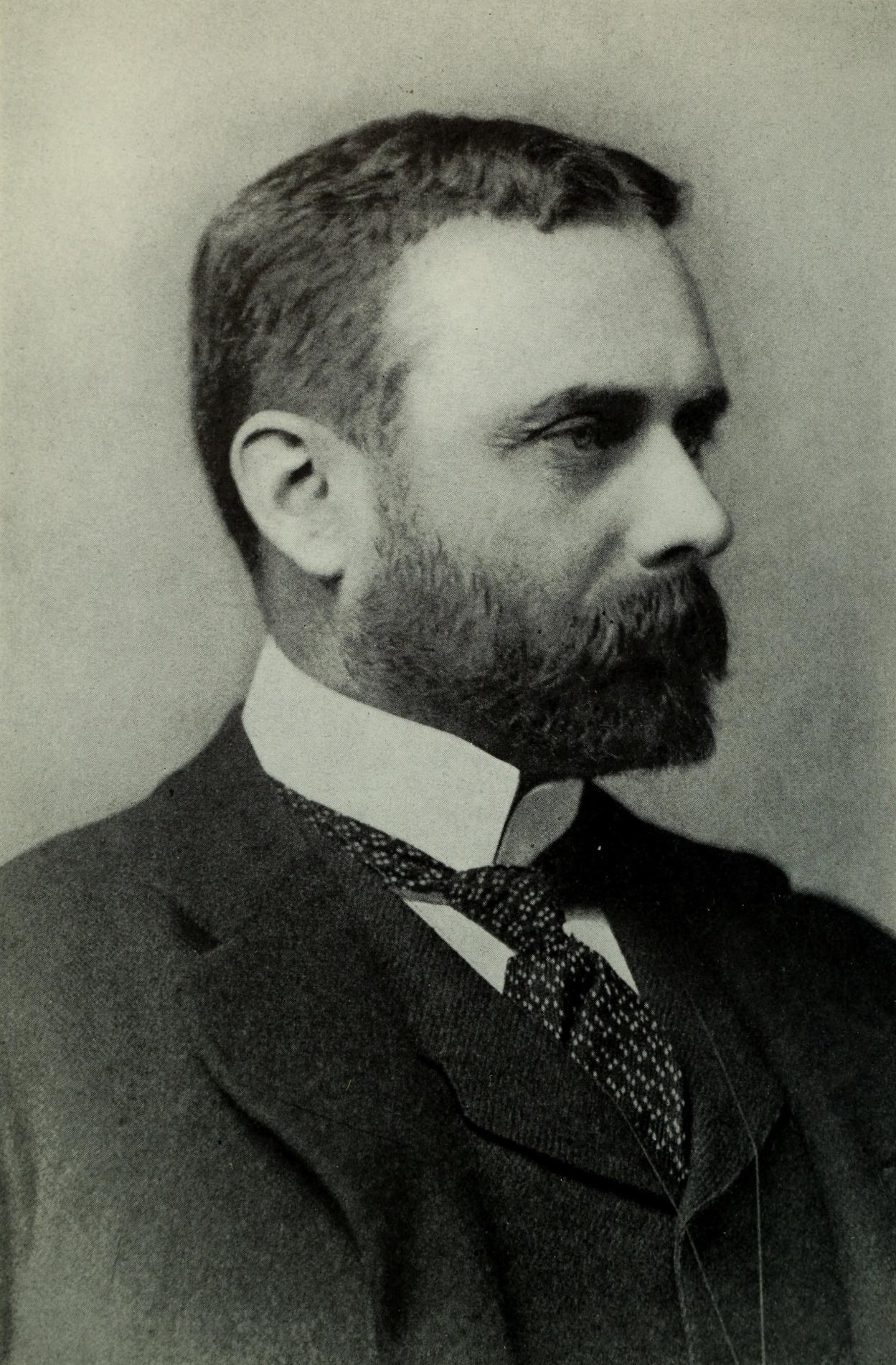
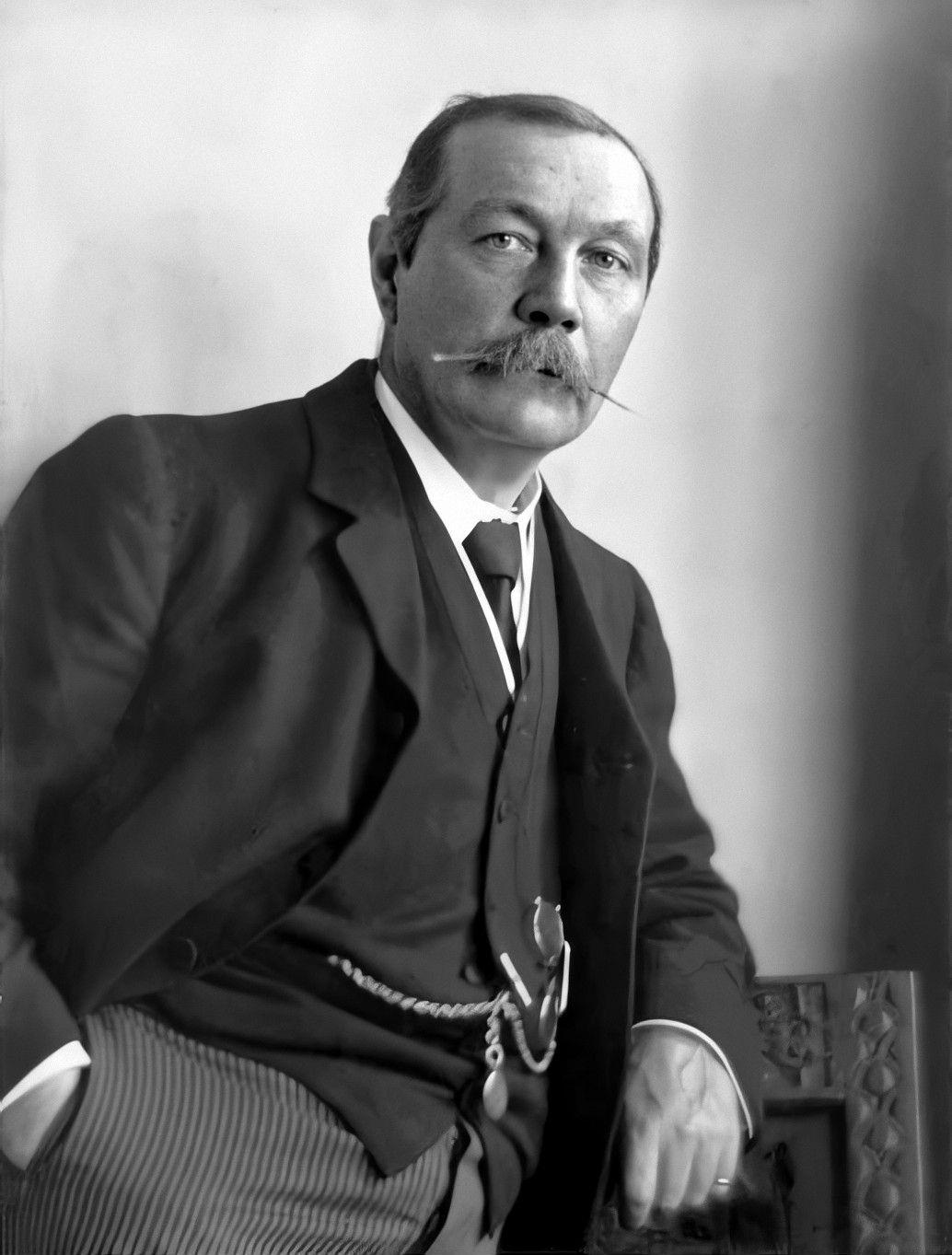
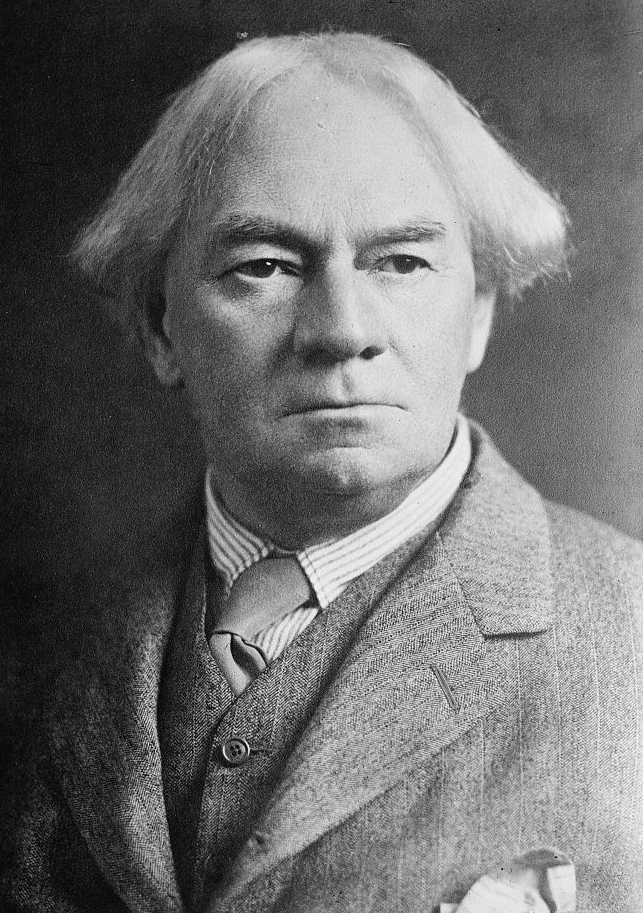
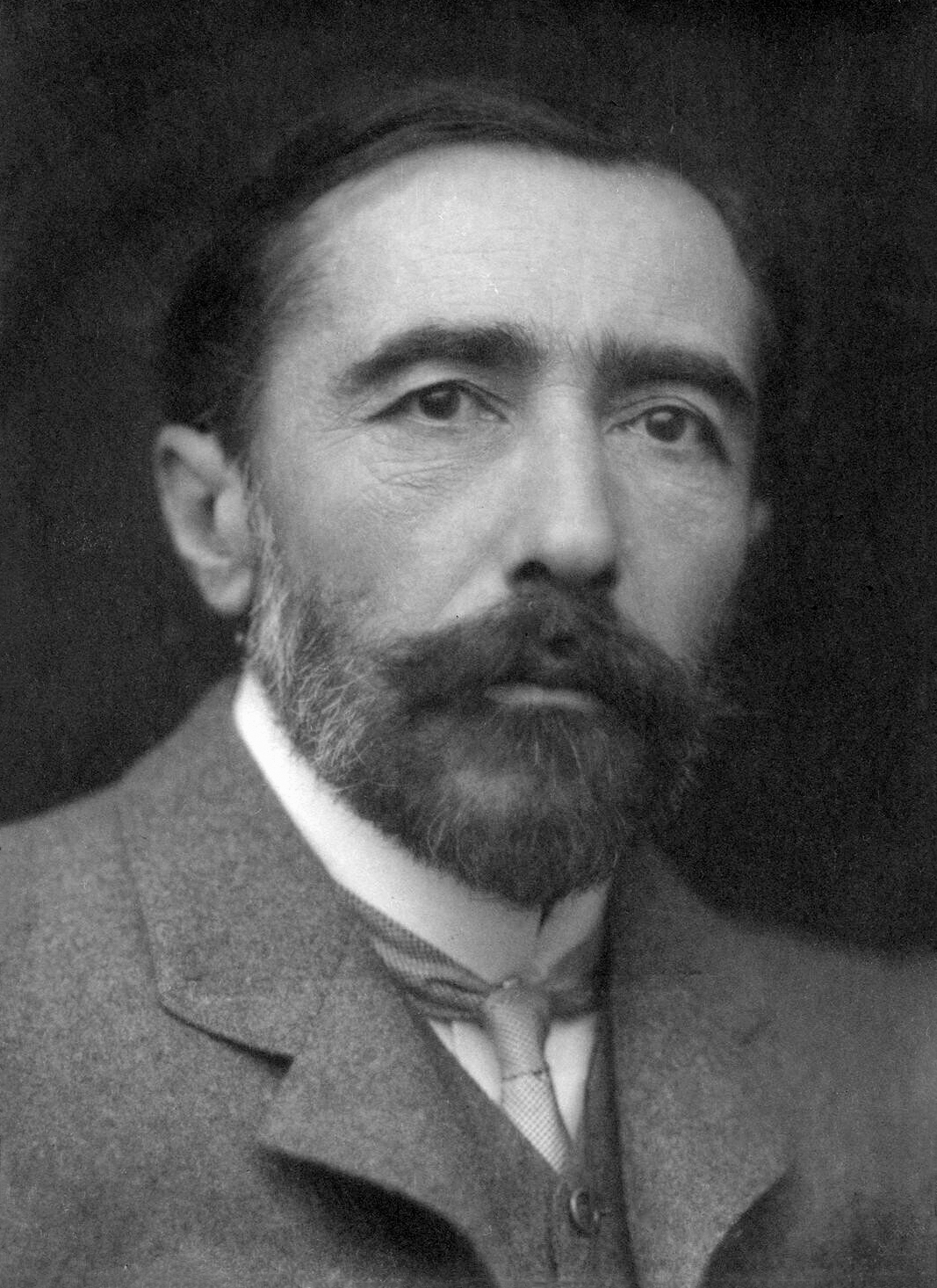
James Joyce was an Irish novelist, poet, and literary critic, widely recognized as a pivotal figure in the modernist literary movement. Born in Dublin to a middle-class family, he faced a tumultuous upbringing marked by his father's financial instability. Joyce excelled academically, attending Jesuit schools and graduating from University College Dublin in 1902. In 1904, he met Nora Barnacle, who would become his lifelong partner, and they soon relocated to mainland Europe, where Joyce began to carve out his literary career. His early works, including the poetry collection 'Chamber Music' and the short-story collection 'Dubliners,' showcased his emerging style and deep connection to his Irish roots. Joyce's most significant contribution to literature came with the publication of 'Ulysses' in 1922, a groundbreaking novel that parallels the structure of Homer's 'Odyssey' while employing innovative narrative techniques such as stream of consciousness. This work was initially met with controversy due to its explicit content, leading to legal battles over its publication in the UK and the US. Despite these challenges, 'Ulysses' has since been hailed as one of the greatest novels of the 20th century. Joyce's later work, 'Finnegans Wake,' further pushed the boundaries of language and narrative form. His literary innovations have left an indelible mark on writers, filmmakers, and artists, making him a central figure in the study of modern literature and a lasting influence on the evolution of narrative techniques.
Famous Quotes
View all 19 quotes“Shut your eyes and see.””
“And then I asked him with my eyes to ask again yes and then he asked me would I yes and his heart was going like mad and yes I said yes I will yes.””
Books from the author
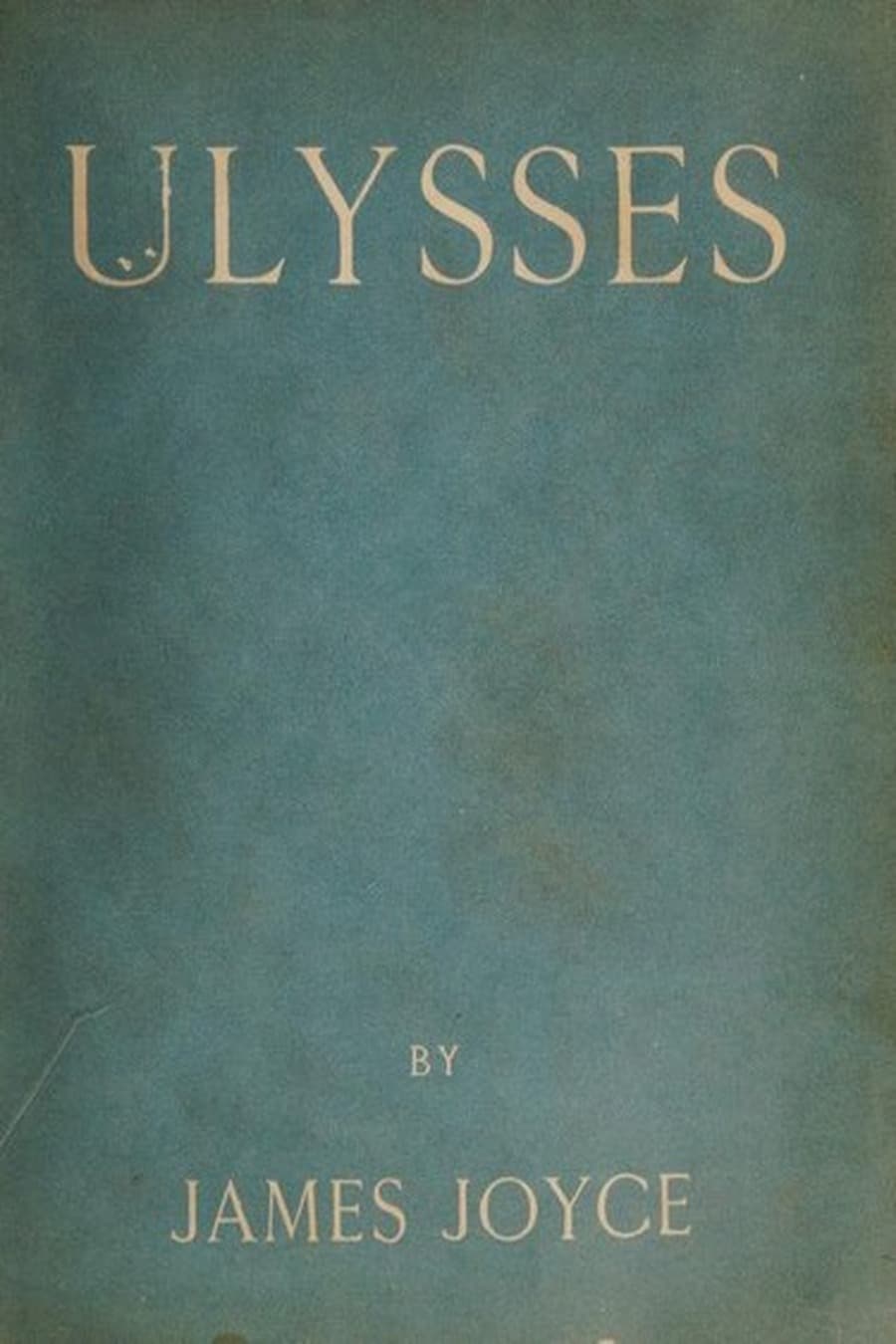

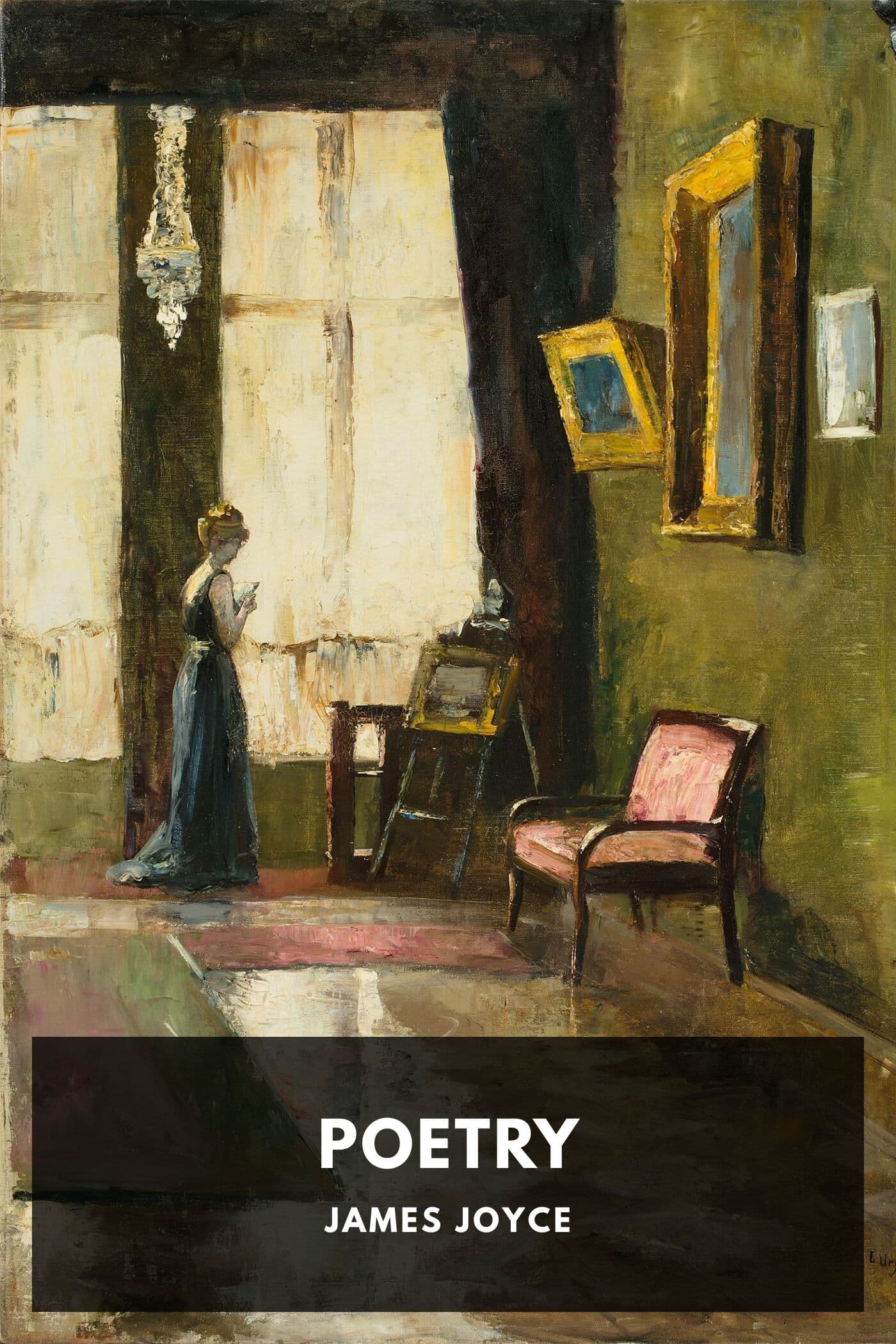

Link to this page
Add a free, dofollow link to Lex on your blog, forum, syllabus, or reading list.

<a href="https://lex-books.com/author/james-joyce"><img src="https://lex-books.com/badges/read-on-lex.svg" alt="James Joyce on Lex" width="160" height="40"></a>[](https://lex-books.com/author/james-joyce)[url=https://lex-books.com/author/james-joyce][img]https://lex-books.com/badges/read-on-lex.svg[/img][/url]James Joyce on Lex: https://lex-books.com/author/james-joyce