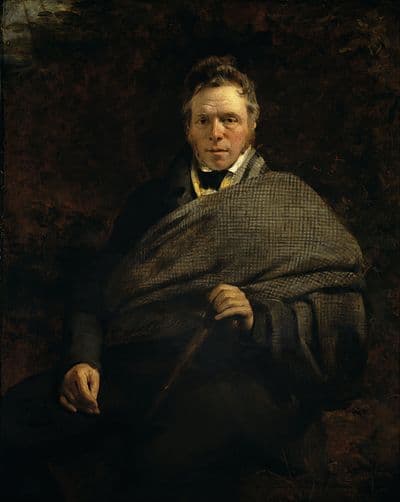
James Hogg
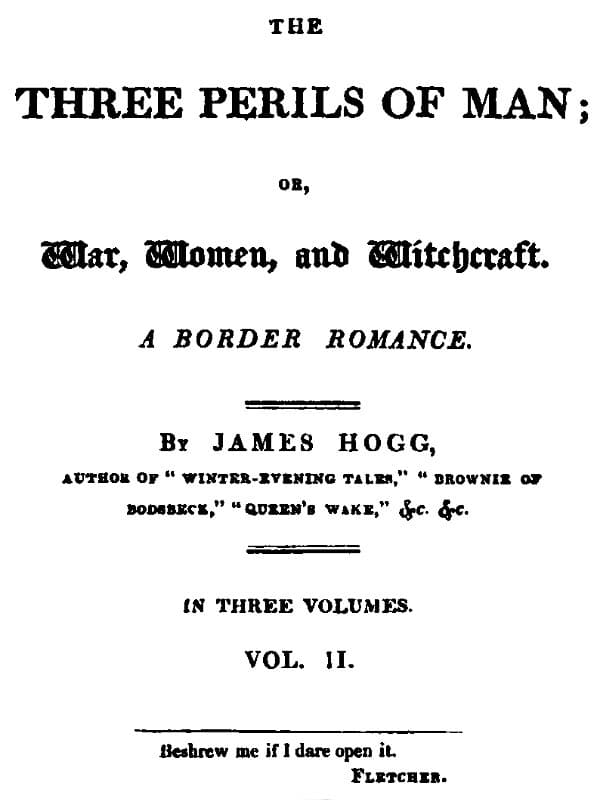
James Hogg was a Scottish poet, novelist, and essayist who gained prominence in the early 19th century. Born into a humble background, he worked as a shepherd and farmhand, largely educating himself through extensive reading. His literary career flourished as he befriended notable contemporaries, including Sir Walter Scott, and he became known as the 'Ettrick Shepherd,' a moniker that reflected both his origins and his contributions to literature. Hogg's unique voice emerged through his use of both Scots and English, allowing him to bridge cultural divides in his writing. Hogg's most acclaimed work, 'The Private Memoirs and Confessions of a Justified Sinner,' is recognized for its exploration of duality and moral ambiguity, making it a precursor to modern psychological fiction. His other significant works include the long narrative poem 'The Queen's Wake,' which celebrated Scottish folklore, and the collections 'Jacobite Relics,' which preserved traditional songs. Hogg's novels, 'The Three Perils of Man' and 'The Three Perils of Woman,' further showcased his narrative skill and thematic depth. His contributions to literature not only enriched Scottish culture but also influenced subsequent generations of writers, solidifying his legacy as a pivotal figure in the Romantic movement.
Famous Quotes
View all 3 quotes“With regard to the work itself, I dare not venture a judgment, for I do not understand it.”
“…he knew no other pleasure but what consisted in opposition.”
“Nothing in the world delights a truly religious people so much as consigning them to eternal damnation.”
Books from the author

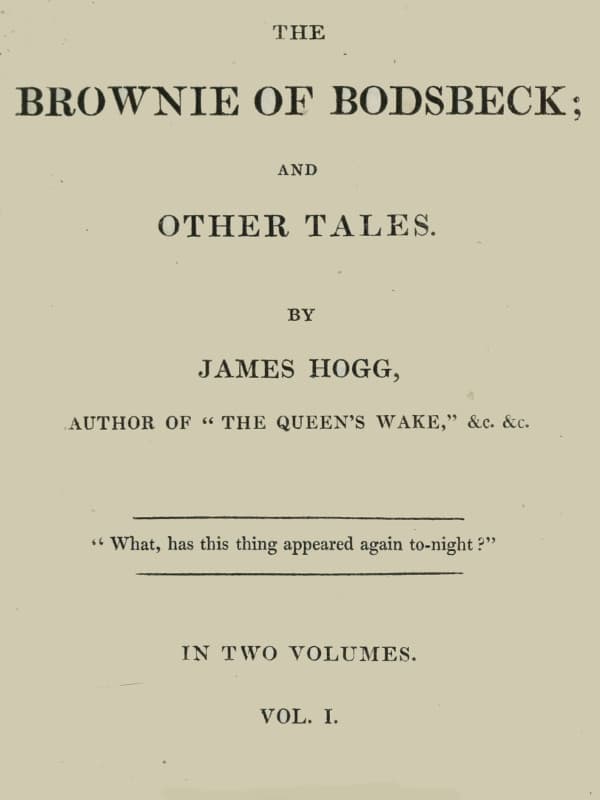
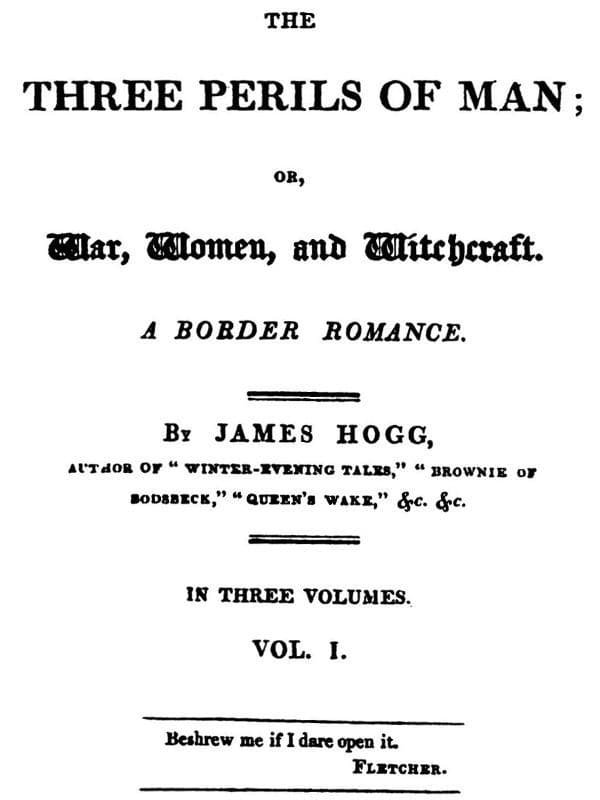
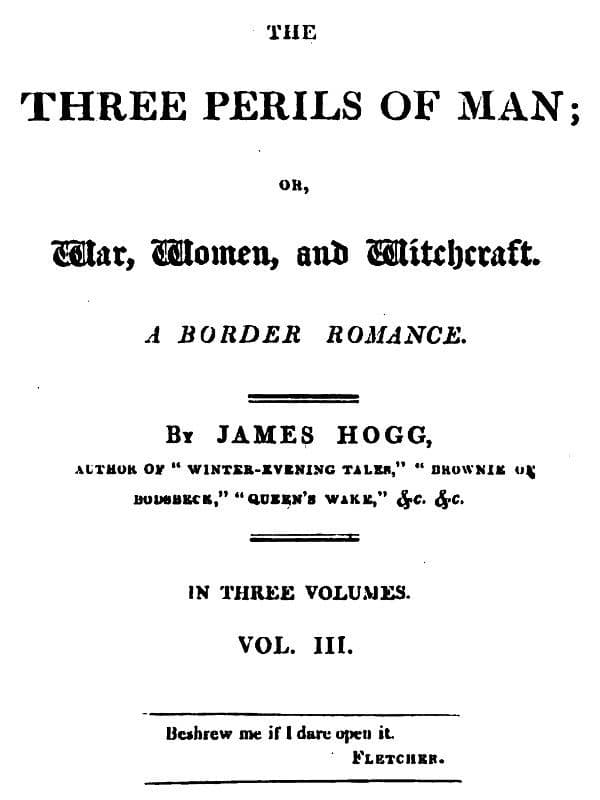



Link to this page
Add a free, dofollow link to Lex on your blog, forum, syllabus, or reading list.

<a href="https://lex-books.com/author/james-hogg"><img src="https://lex-books.com/badges/read-on-lex.svg" alt="James Hogg on Lex" width="160" height="40"></a>[](https://lex-books.com/author/james-hogg)[url=https://lex-books.com/author/james-hogg][img]https://lex-books.com/badges/read-on-lex.svg[/img][/url]James Hogg on Lex: https://lex-books.com/author/james-hogg