
Jacques Loeb
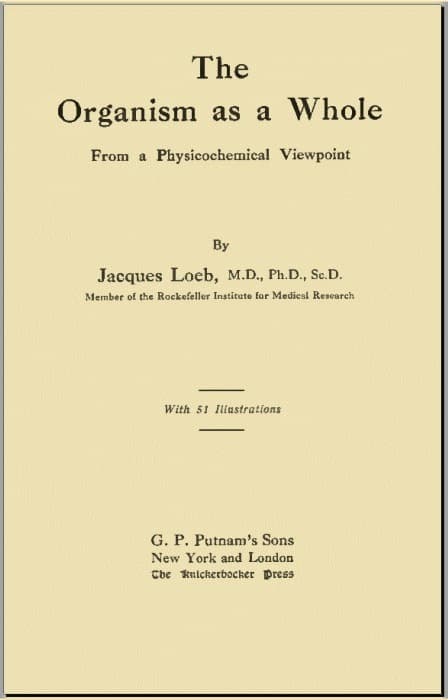
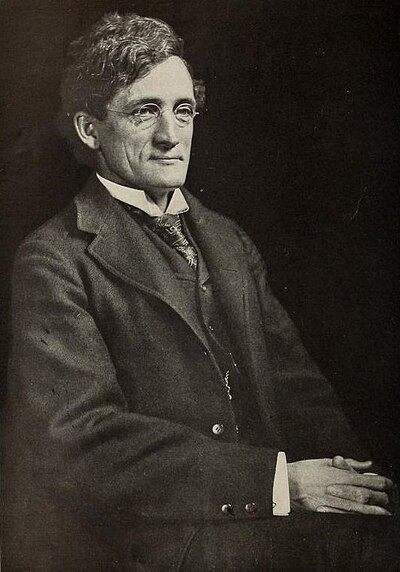
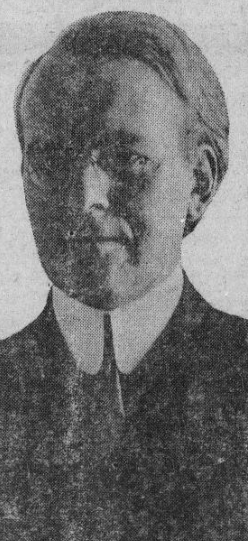
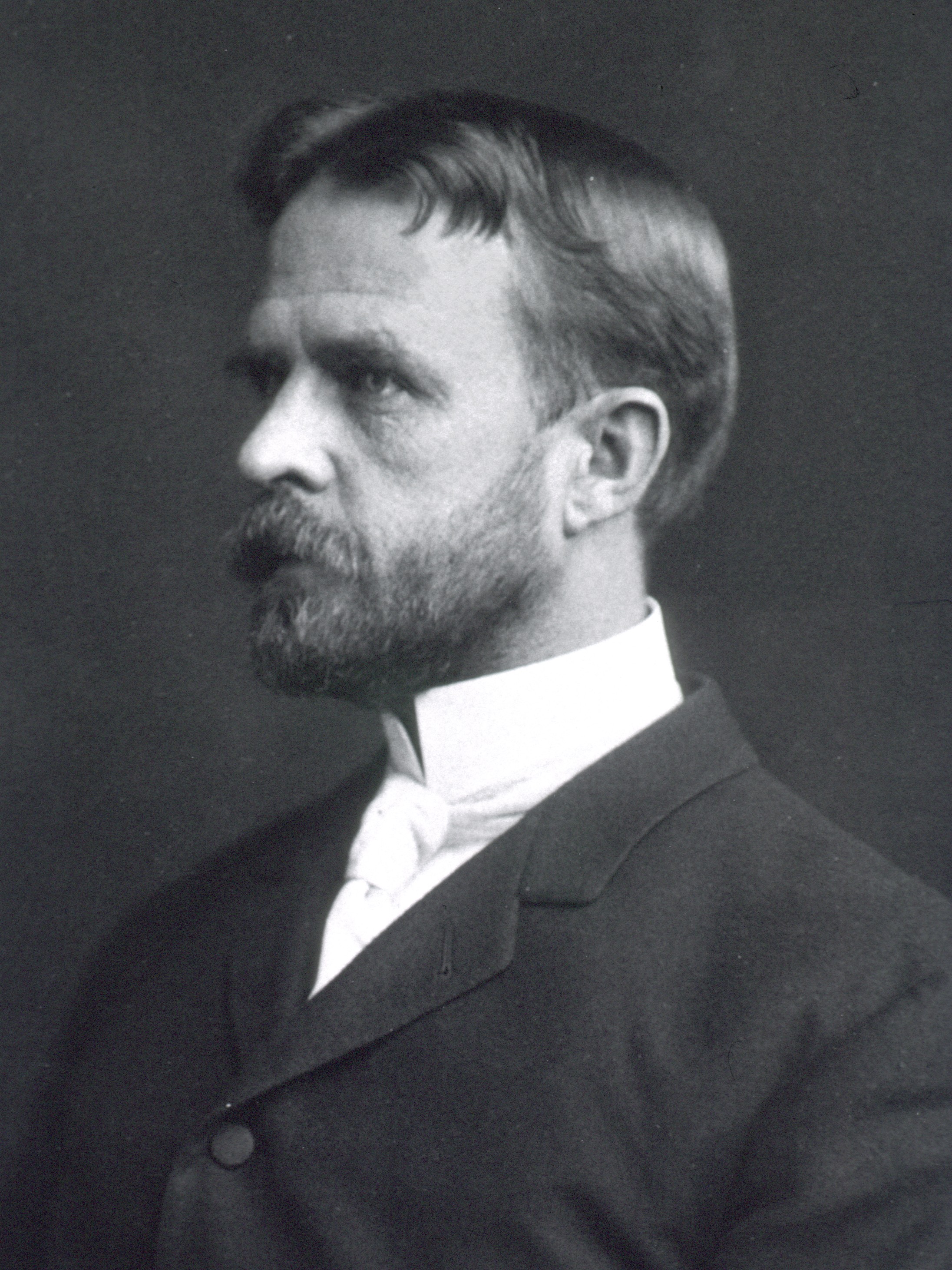
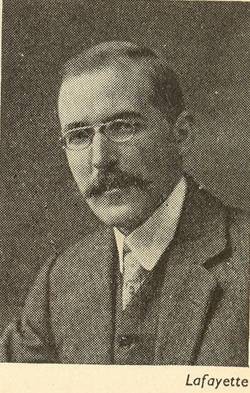
Jacques Loeb was a prominent German-born American physiologist and biologist known for his pioneering work in the fields of physiology and biochemistry. He made significant contributions to the understanding of biological processes, particularly through his research on the mechanisms of development and the role of environmental factors in shaping living organisms. Loeb's innovative experiments on artificial parthenogenesis, where he successfully induced development in sea urchin eggs without fertilization, challenged traditional views on reproduction and laid the groundwork for future studies in developmental biology. Loeb's influential works, including 'The Mechanistic Conception of Life' and 'The Dynamics of Living Matter,' emphasized the application of physical and chemical principles to biological phenomena. His ideas sparked debates in the scientific community, particularly regarding the nature of life and the extent to which biological processes can be understood through mechanistic explanations. Loeb's legacy endures in the fields of biology and biochemistry, where his interdisciplinary approach continues to inspire research that bridges the gap between the life sciences and physical sciences.
Famous Quotes
View all 3 quotes“Through the discovery of Buchner , Biology was relieved of another fragment of mysticism. The splitting up of sugar into CO2 and alcohol is no more the effect of a 'vital principle' than the splitting up of cane sugar by invertase. The history of this problem is instructive, as it warns us against considering problems as beyond our reach because they have not yet found their solution.”
“Since Pawlow and his pupils have succeeded in causing the secretion of saliva in the dog by means of optic and acoustic signals, it no longer seems strange to us that what the philosopher terms an 'idea' is a process which can cause chemical changes in the body.”
“Will it be possible to solve these problems? It is certain that nobody has thus far observed the transformation of dead into living matter, and for this reason we cannot form a definite plan for the solution of this problem of transformation. But we see that plants and animals during their growth continually transform dead into living matter, and that the chemical processes in living matter do not differ in principle from those in dead matter. There is, therefore, no reason to predict that abiogenesis is impossible, and I believe that it can only help science if the younger investigators realize that experimental abiogenesis is the goal of biology.”
Books from the author






Link to this page
Add a free, dofollow link to Lex on your blog, forum, syllabus, or reading list.

<a href="https://lex-books.com/author/jacques-loeb"><img src="https://lex-books.com/badges/read-on-lex.svg" alt="Jacques Loeb on Lex" width="160" height="40"></a>[](https://lex-books.com/author/jacques-loeb)[url=https://lex-books.com/author/jacques-loeb][img]https://lex-books.com/badges/read-on-lex.svg[/img][/url]Jacques Loeb on Lex: https://lex-books.com/author/jacques-loeb