
Joseph Grinnell
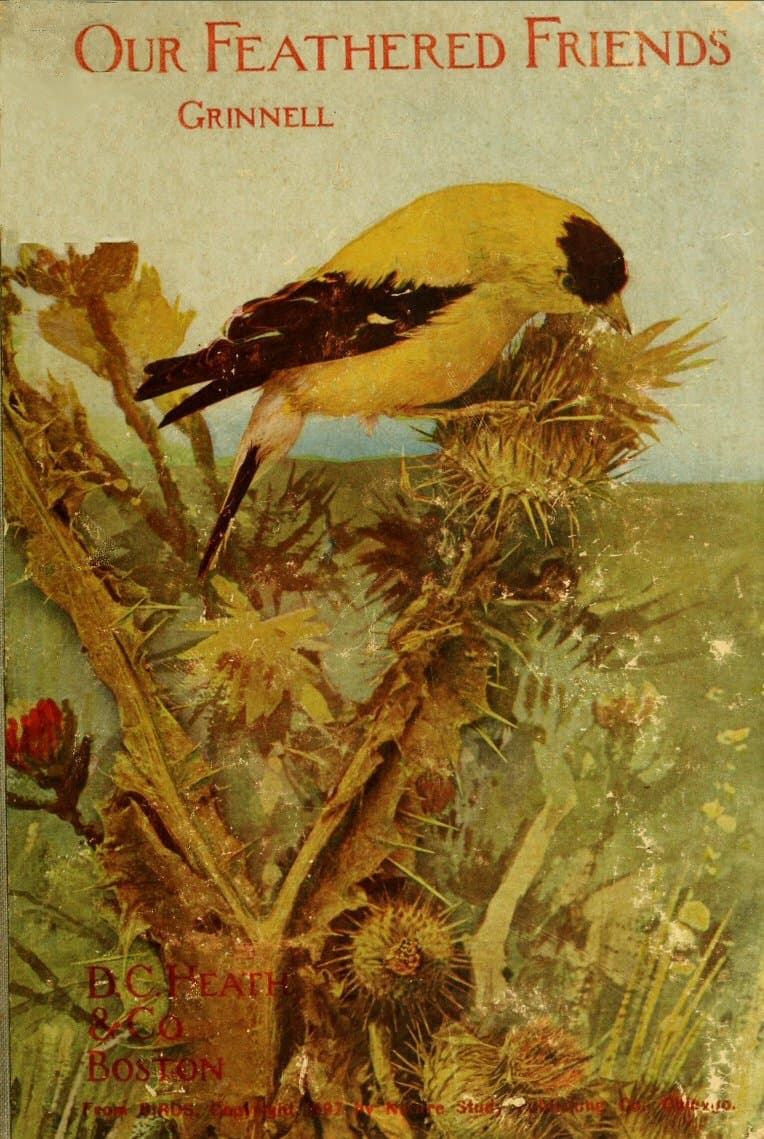
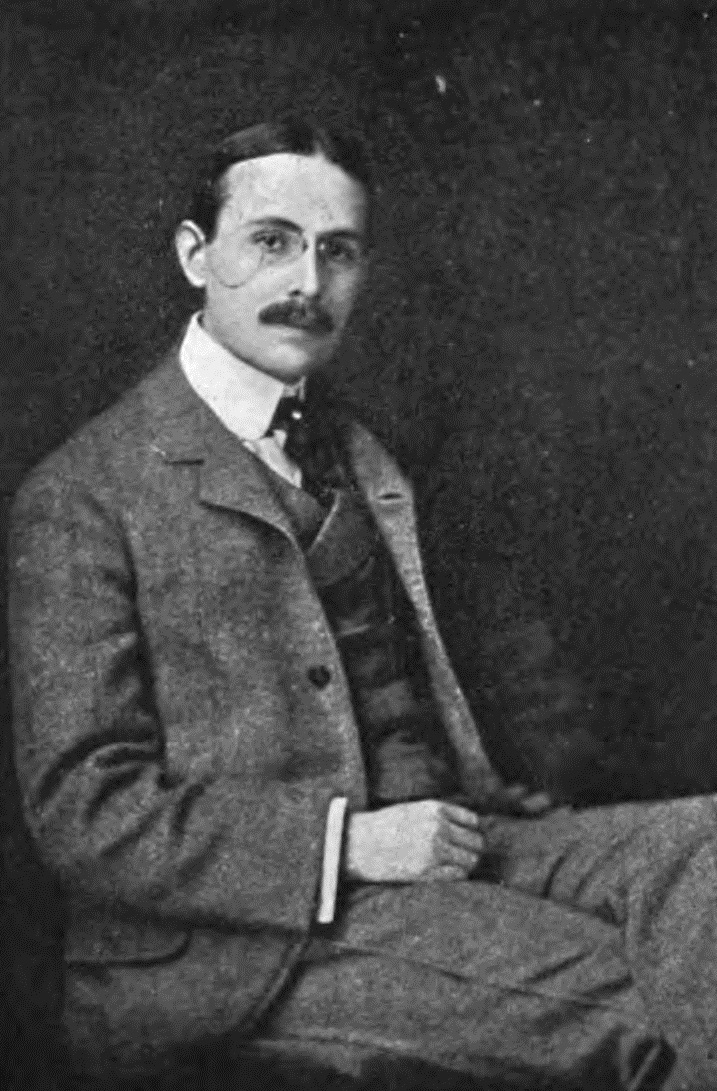
Joseph P. Grinnell was an influential American field biologist and zoologist, renowned for his extensive studies of California's fauna. He is best known for developing the Grinnell System, a method for recording precise field observations that revolutionized the way biologists collect and analyze data. As the first director of the Museum of Vertebrate Zoology at the University of California, Berkeley, Grinnell played a pivotal role in establishing the museum in 1908 and guiding its research until his death in 1939. Grinnell's contributions to ornithology were significant; he edited The Condor, a key publication of the Cooper Ornithological Club, for over three decades. His scholarly works, including The Distribution of the Birds of California and Animal Life in the Yosemite, showcased his dedication to understanding wildlife and their habitats. He also introduced the concept of the ecological niche, which has had a lasting impact on the field of ecology. Grinnell's legacy endures through his innovative methodologies and his commitment to the study of natural history, influencing generations of biologists and conservationists.
Books from the author


Link to this page
Add a free, dofollow link to Lex on your blog, forum, syllabus, or reading list.

<a href="https://lex-books.com/author/joseph-grinnell"><img src="https://lex-books.com/badges/read-on-lex.svg" alt="Joseph Grinnell on Lex" width="160" height="40"></a>[](https://lex-books.com/author/joseph-grinnell)[url=https://lex-books.com/author/joseph-grinnell][img]https://lex-books.com/badges/read-on-lex.svg[/img][/url]Joseph Grinnell on Lex: https://lex-books.com/author/joseph-grinnell